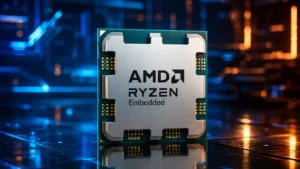

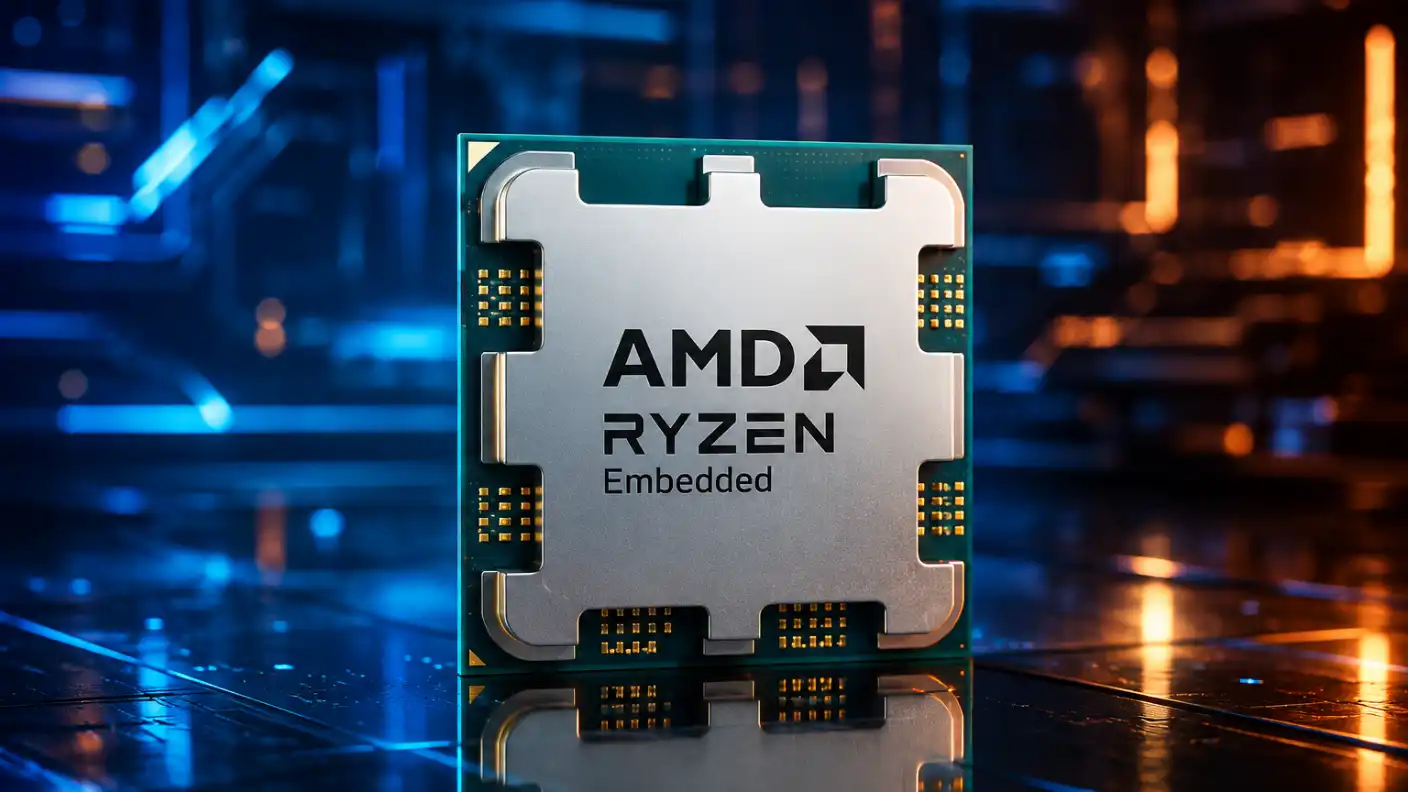
AMD officially announced a major financial commitment on Thursday, revealing plans to invest more than $10 billion into Taiwan’s semiconductor and artificial intelligence ecosystem. This strategic move aims to drastically improve the company’s ability to manufacture high-performance chips and keep pace with the world’s exploding demand for AI infrastructure. By deepening its roots in the region, AMD intends to secure the production capacity necessary to challenge industry rivals like Nvidia.
Taiwan currently serves as the absolute center of the global semiconductor industry. This is primarily due to the presence of Taiwan Semiconductor Manufacturing Company (TSMC), which builds the most advanced processors for the world’s most valuable companies, including Apple and Nvidia. Because TSMC is the backbone of modern electronics, AMD’s decision to commit $10 billion to the region underscores how essential these partnerships are for any company hoping to dominate the next generation of computing.
Investors have rewarded AMD for its aggressive focus on AI. The company’s stock price has already doubled so far this year as traders bet on its ability to compete with Nvidia. While Nvidia reported another round of blowout earnings on Wednesday, AMD is clearly signaling that it will not stay in second place for long. By investing in better manufacturing and packaging, AMD hopes to deliver higher performance, greater energy efficiency, and faster deployment for AI systems across the globe.
The investment plan focuses heavily on chip packaging—a critical part of the process that involves linking multiple smaller chips together into one high-powered unit. AMD confirmed it is working with major Taiwan-based partners, specifically ASE and SPIL, to pioneer new ways of connecting these components. These advanced packaging techniques allow chips to talk to each other much faster, which is a requirement for the complex mathematics used in modern artificial intelligence.
These hardware innovations are designed to support the launch of “Helios,” AMD’s upcoming AI server system. The company expects to deploy this new platform in the second half of 2026. Helios is the cornerstone of AMD’s strategy to take on the enterprise AI market, providing a full-stack solution for companies that are currently spending over $1 billion every few months to build out their internal data centers.
Building a server system as powerful as Helios requires a massive team of collaborators. AMD named several manufacturing and assembly partners that are helping bring the project to life. Companies like Sanmina, Wiwynn, Wistron, and Inventec are working closely with AMD to handle the heavy lifting of building the physical server racks. These partnerships ensure that when the 2026 launch date arrives, the hardware will be ready to ship immediately.
The semiconductor industry is currently feeling the pressure of intense demand, and this $10 billion investment is AMD’s way of ensuring it isn’t left behind. Even a 1.5% improvement in chip yield or a slight increase in packaging speed can represent hundreds of millions of dollars in saved costs for a company operating at this scale. By working directly with Taiwanese experts, AMD is trying to minimize the risk of supply chain delays that have crippled other tech companies during the recent AI boom.
This investment also highlights the shift toward “system-level” competition. It is no longer enough to just design a good chip; companies must now design the entire manufacturing process, the packaging, and the server architecture that goes inside the rack. AMD is moving to control as much of this process as possible. By partnering with companies like ASE and Wistron, they are building a “defensive moat” that protects their supply chain from competitors who lack such deep ties in Taiwan.
Looking forward to the second half of 2026, the success of the Helios platform will serve as a major test for AMD. If they can successfully merge their Zen-based processors with their advanced AI accelerators and new packaging tech, they will offer a very compelling alternative to the Nvidia-dominated market. The $10 billion investment is a bold statement that AMD is ready to play at the highest level of global competition, ensuring its hardware becomes a permanent fixture in the data centers of the future.