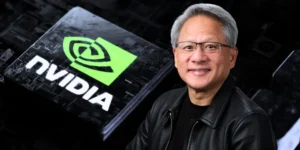

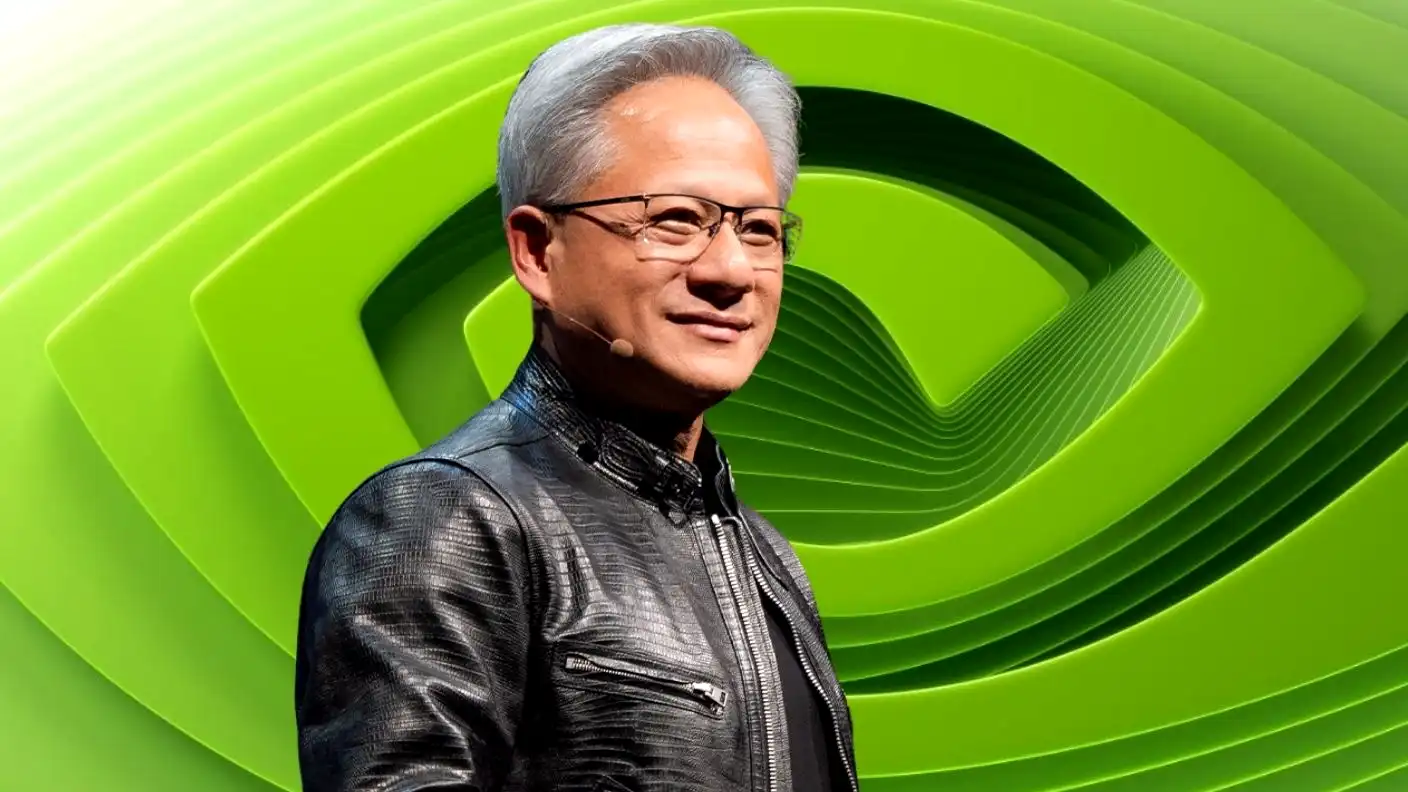
Nvidia CEO Jensen Huang delivered a blunt message to investors this week: the company has “largely conceded” its massive artificial intelligence chip market in China to Huawei. This admission comes as a direct result of tightening U.S. export restrictions, which have reshaped the global semiconductor landscape in just a few short years. While Nvidia continues to post record-breaking financial results, the loss of its Chinese business marks a significant turning point in the company’s long-term strategy.
The news arrived alongside Nvidia’s latest quarterly earnings report, which once again shocked Wall Street. The company posted a massive surge in revenue, climbing 85% to reach $81.62 billion, up from $44.06 billion during the same period last year. To celebrate this financial success, Nvidia also announced an $80 billion share buyback program and raised its dividend for shareholders. Yet, despite the record revenue, analysts focused heavily on the company’s precarious position in China.
During an interview with CNBC, Huang acknowledged the growing dominance of Chinese domestic competitors. He noted that Huawei is performing very well and expects the company to have an “extraordinary year” ahead. Because U.S. export rules forced Nvidia to evacuate that market, a local ecosystem of Chinese chip companies has stepped in to fill the void. Huang bluntly told investors that he has “conceded” the Chinese market to these domestic rivals, effectively ending an era where Nvidia controlled nearly 20% of its data center revenue from that region.
The U.S. government’s stance remains strict. Back in April, the Trump administration notified Nvidia that it would need a special export license to send its most advanced AI chips to China and several other nations. Huang adopted a very cautious tone regarding the possibility of those licenses returning soon. He explicitly told investors to “expect nothing” from regulators. He explained that his company’s current financial guidance for the coming months assumes zero revenue from China, effectively removing the country from its growth projections entirely.
Still, the Nvidia CEO clearly hopes to return if political conditions improve. He noted that the company has spent 30 years building strong relationships with Chinese customers and partners, and he would be “more than delighted” to serve that market again. Huang joined President Donald Trump’s delegation during a high-stakes China summit last week as a last-minute addition. However, U.S. trade representatives confirmed that chip export controls were not a main topic of discussion during that trip, suggesting that a breakthrough for the H200 chip remains far away.
Nvidia now looks toward a future where it grows into a much larger company by focusing on what Huang calls the AI industry’s “five-layer cake.” This strategy involves massive investments across energy, chips, infrastructure, AI models, and final software applications. Huang explained that as Nvidia continues to grow by hundreds of billions of dollars at a time, he must support his supply chain partners to ensure they can keep pace with this extreme demand.
The company is preparing for a future where its total growth could be many times larger than it is today. By investing heavily across the entire AI stack, Nvidia wants to be the primary provider of infrastructure for the next decade. Their first priority for their growing cash pile is supporting suppliers, as the company needs thousands of partners to help it scale up its hardware output.
Despite the loss of the Chinese market, Nvidia remains the most important company in the AI boom. Big tech companies like Microsoft and Meta continue to spend massive amounts of money to secure Nvidia’s hardware for their data centers. As long as this demand from U.S. hyperscalers continues to drive revenue, Nvidia appears to have enough momentum to ignore the temporary setback in Asia.
Investors will continue to watch for any change in U.S. export policy, but for now, the reality for Nvidia is clear. The era of dominating the Chinese AI market has ended. By accepting this loss, Huang is shielding his company from the unpredictable nature of geopolitics and focusing his energy on the markets where the U.S. government allows him to operate without restriction.