
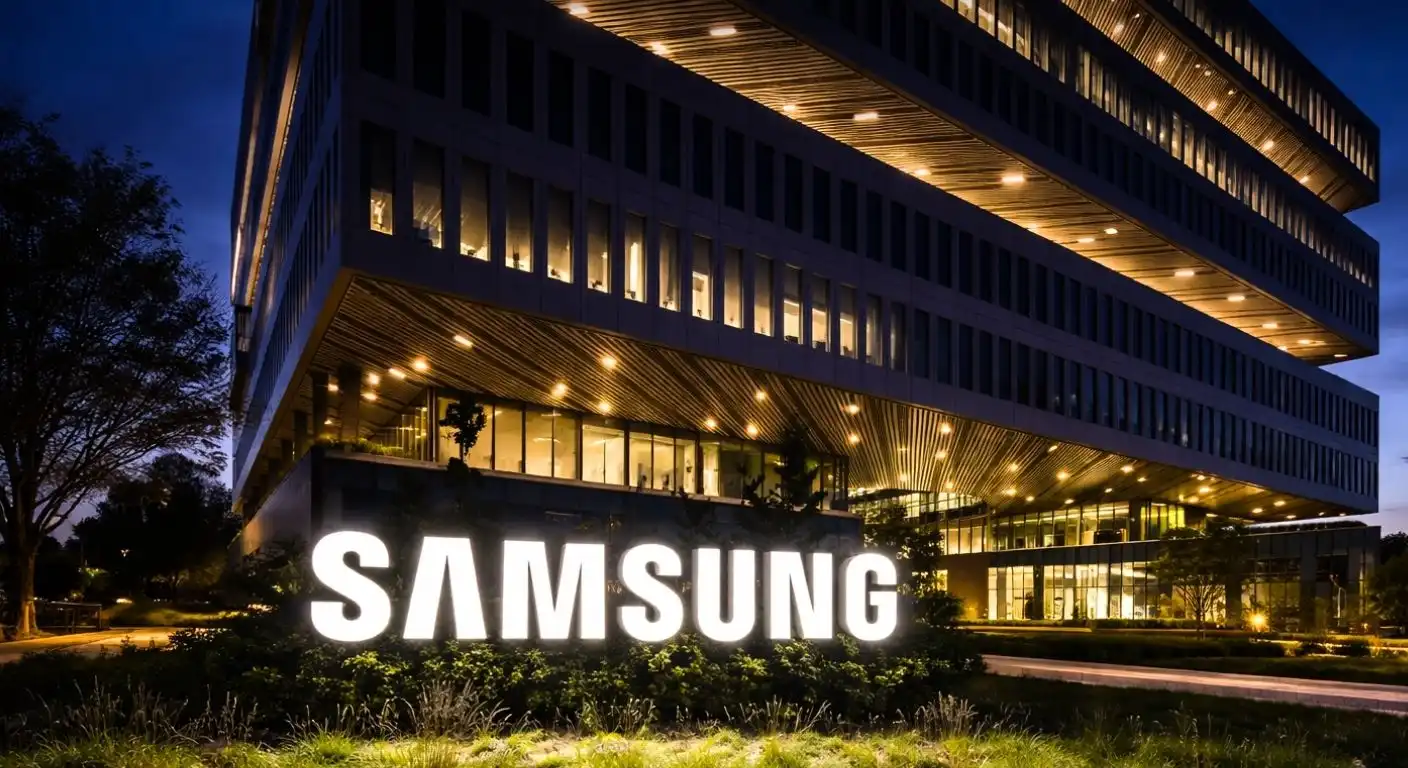
Thousands of Samsung Electronics employees across South Korea started casting their digital ballots this Friday. The vote, which will determine the future of the company’s labor relations, asks approximately 89,000 union members to decide whether to accept a tentative pay agreement. If the majority of members support the deal, it will formally end months of tension and guarantee the company’s massive chip factories stay running without interruption.
The voting process hit a small snag shortly after it began. A sudden server overload forced the union to delay the start of the electronic poll by a few hours. Once the technical issues were resolved, the polls opened at 2:12 p.m. local time. The union has given its members until 10 a.m. on May 27 to submit their final choices. This window of time is crucial because the stakes could not be higher for the global semiconductor industry.
Union leaders managed to secure this tentative agreement during a high-stakes, last-minute negotiation session held late Wednesday. Their success successfully averted a planned 18-day strike that threatened to paralyze Samsung’s memory chip production. Since Samsung is a critical link in the global supply chain, a long-term walkout would have caused catastrophic shortages for smartphone manufacturers, data center operators, and companies building advanced AI hardware.
The agreement itself is worth a small fortune to the workforce. Under the proposed plan, Samsung will allocate about 10.5 percent of its chip division’s operating profit to a special bonus pool. This money will support workers across the company’s memory and logic business units. For the most senior and high-performing staff in these divisions, these special bonuses could reach as much as $416,000 per person. These payments are designed to reward the workers who helped Samsung achieve its recent record-breaking profits in the competitive AI chip sector.
However, the path to a finalized deal remains narrow. According to the union’s internal rules, the ratification process requires two separate hurdles. First, a majority of the entire 89,000-member workforce must participate in the vote. Second, a majority of those who participate must cast a “yes” vote to support the deal. If either of these conditions is not met, the current agreement dies instantly, and both sides must return to the negotiating table to start the entire process from scratch.
The union leadership feels optimistic about the outcome. A key negotiator told the press that he expects the members to ratify the agreement. Many workers feel that the deal represents a significant victory, even if it does not meet every single demand they originally set. The prospect of receiving hundreds of thousands of dollars in bonuses acts as a strong incentive for the rank-and-file members to put their tools down and accept the company’s offer.
While the union prepares for the final count, the tech world is breathing a sigh of relief. A strike at Samsung would have been a financial nightmare for the company, potentially leading to losses exceeding $1 billion in just a few days of downtime. Maintaining the integrity of the semiconductor supply chain is essential right now, as companies like Nvidia and Apple are struggling to secure enough parts to meet the global demand for artificial intelligence hardware.
For the South Korean government, the situation has been incredibly stressful. Officials feared that any prolonged labor action would weaken the country’s economic standing and hurt its total export volume. By reaching a deal, Samsung has effectively insulated itself from the reputational and financial damage that a strike would have inflicted. If the vote passes next week, it will likely be remembered as one of the most successful, and most expensive, labor negotiations in the history of the South Korean tech sector.
As the voting window remains open through the weekend, union leaders are working to educate their members on the details of the contract. They want to ensure that every worker understands the trade-offs that were made to keep the factory lines moving. The final results will be announced shortly after the deadline on May 27, marking the end of a long and difficult chapter for Samsung’s management and its massive workforce.