
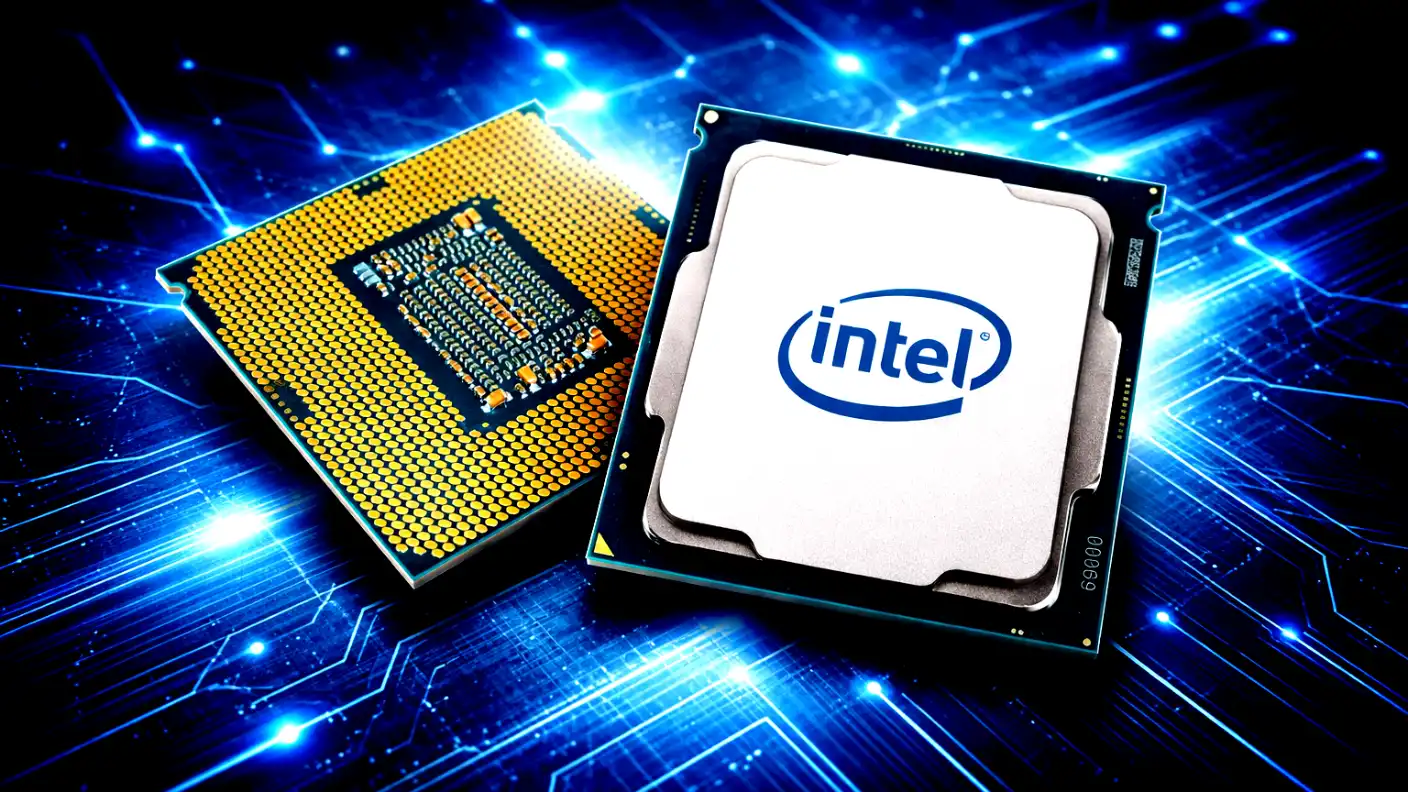
Intel is preparing to reshape the desktop computing landscape. Recent industry leaks reveal that the chipmaker intends to prioritize desktop platforms for its upcoming Panther Lake and Wildcat Lake architectures. This strategic shift marks a departure from Intel’s recent focus on mobile-first silicon, signaling a clear effort to win back enthusiasts and power users who demand the highest performance levels.
Hardware manufacturer Maxsun is already building early designs based on these architectures. These “Mobile-on-Desktop” or MODT configurations aim to bridge the gap between high-efficiency laptop processors and the raw power of desktop systems. By integrating these mobile-optimized chips into desktop-friendly boards, companies like Maxsun hope to offer consumers a unique blend of energy efficiency and robust thermal management.
The Panther Lake lineup will reportedly utilize a sophisticated multi-tile design. This approach allows Intel to combine different manufacturing processes on a single package, effectively increasing yields while lowering costs. Experts expect Panther Lake to hit the market with a significant focus on integrated graphics and NPU—or Neural Processing Unit—performance. By packing more AI-driven features into the silicon, Intel hopes to stay ahead of competitors currently dominating the consumer AI hardware space.
Wildcat Lake, which follows shortly after, aims to push the performance envelope even further. While details remain somewhat speculative, early technical documents suggest a heavy emphasis on core density. If Intel successfully hits its performance targets, these processors could provide a 15% to 20% increase in multi-threaded efficiency compared to current-generation offerings. Such a jump would be crucial for the company, especially as it battles for market share against rivals who continue to release increasingly efficient chip designs.
The decision to launch these chips on desktop platforms first is a calculated move. Desktop users often represent the most vocal segment of the PC market, and their feedback often dictates long-term brand perception. By ensuring that Panther Lake and Wildcat Lake perform exceptionally well in a desktop environment, Intel can establish a strong baseline for performance before scaling these architectures down into thinner, lighter laptop designs.
Industry analysts expect Intel to ramp up its capital expenditure to meet this ambitious roadmap. With global investments in semiconductor manufacturing facilities currently totaling over $100 billion, Intel is leaning heavily on its internal foundry services to ensure these chips move from the blueprint to the motherboard without significant delays. Success here is essential, as the company looks to stabilize its revenue growth after a volatile period in the global tech market.
Furthermore, the partnership with board manufacturers like Maxsun suggests that Intel wants to democratize access to these new chips. By supporting smaller form factors and innovative motherboard designs, the company is encouraging a broader range of pre-built PC options. This strategy benefits consumers who want cutting-edge technology without the need to manage complex, custom-built cooling loops or power delivery systems.
As we look toward the 2026 and 2027 release windows, all eyes remain on the silicon quality. If these chips manage to hit their thermal targets while delivering double-digit performance gains, Intel may finally quiet the critics who have questioned its trajectory in the AI era. The shift back to desktop-first releases is a bold statement, and it serves as a clear sign that the company is ready to fight for every percentage point of market share in the high-end PC segment.