

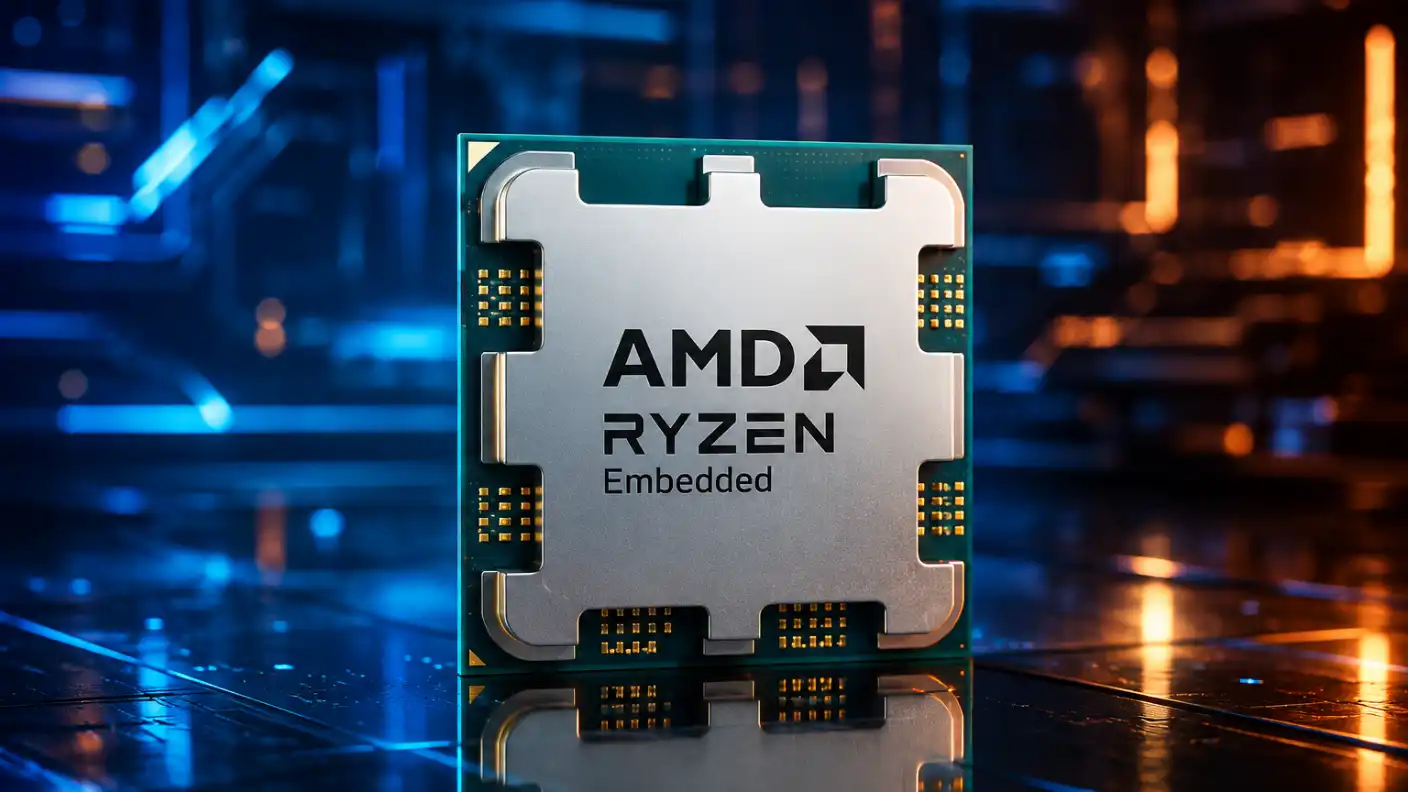
AMD is reportedly preparing a major leap in processor efficiency and power with its upcoming “Medusa” architecture. Early performance data suggests that a 10-core engineering sample of the Medusa CPU has outperformed the existing Strix architecture by 29% in single-core benchmarks, despite running at a remarkably low clock speed of just 2 GHz. This discovery is turning heads in the hardware community, as it hints at a significant breakthrough in IPC (instructions per clock) efficiency for AMD’s future lineup.
The test results, which surfaced recently, indicate that AMD is shifting its focus toward optimizing core performance rather than just pushing higher frequencies. By achieving such a high performance mark at a modest 2 GHz, the Medusa chip demonstrates that it can do far more work per cycle than its predecessors. This is a critical development for mobile devices and laptops, where managing heat and battery life is just as important as raw processing speed.
At the heart of the Medusa architecture is the highly anticipated Zen 6 core design. While AMD has not yet officially confirmed all the technical specifications, the industry expects this new generation to utilize an advanced packaging process that bridges the gap between desktop-class power and portable efficiency. If these early benchmarks hold true for retail versions of the processor, users could see a major boost in responsiveness for tasks like photo editing, gaming, and heavy web browsing.
Comparing the 29% gain to current generation chips puts AMD in a strong position against its primary competitors. In the high-performance computing market, even a 5% to 10% gain in single-core speed is usually considered a solid generational improvement. A near 30% jump suggests that AMD has successfully refined its architecture to handle complex instructions more effectively, which is essential for modern software that relies heavily on fast, single-threaded performance.
The implications for the gaming market are particularly noteworthy. Many modern games still rely heavily on the speed of a single primary core to handle physics and game logic. If the Medusa chips can maintain this high level of IPC at higher clock speeds, gamers will likely experience fewer bottlenecks and higher frame rates. Furthermore, the efficiency gains suggest that high-end gaming laptops could become thinner and quieter, as the chips generate less heat while delivering more performance.
Beyond gaming, the architecture appears well-suited for the growing demand for local AI processing. With AI workloads becoming a standard part of operating systems and applications, having a CPU that can process instructions efficiently is a massive advantage. If the Medusa chip can handle AI-driven background tasks at low clock speeds, it will free up other system resources, allowing for a much smoother overall computing experience.
AMD is reportedly aiming for a wide-scale production rollout for the Medusa series in early 2027, though some rumors suggest we might see early versions of these chips in high-end notebooks as soon as late 2026. Given the $1 billion-plus investment AMD has poured into its R&D centers over the past few years, the market expects these chips to be the backbone of the company’s push into the next decade of computing.
As we wait for official disclosures from AMD, the tech world will be watching closely for more detailed benchmarks. The ability to outperform current technology by such a wide margin at a low frequency is rare, and it suggests that AMD is entering a new phase of innovation. For users waiting to upgrade their computers, the Medusa architecture could be the reason to hold off for another year to experience a true leap in performance.