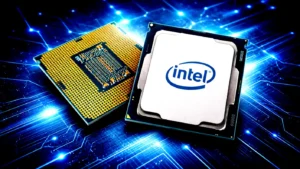

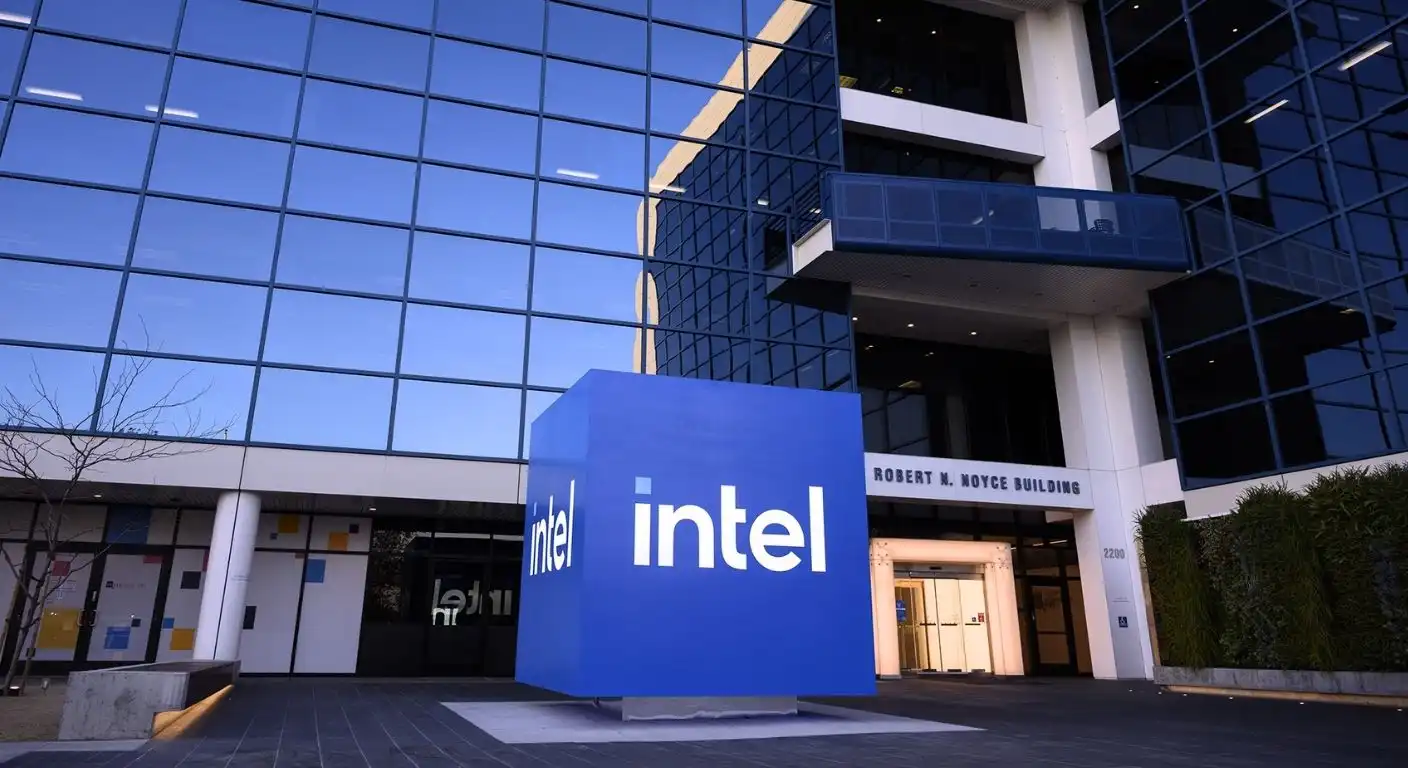
The semiconductor industry is currently navigating one of its most difficult cycles in recent history. A persistent surge in DRAM and NAND flash pricing, fueled by the insatiable demand for high-performance AI data center hardware, has created a major ripple effect across the entire computing landscape. Intel, the world’s largest processor manufacturer, recently acknowledged that the current state of memory pricing has become unsustainable. Executives at the company warned that “something has to give” if the PC industry wants to continue growing at a healthy pace through the rest of 2026.
For everyday computer builders and laptop buyers, this memory crunch feels like a hidden tax on every upgrade. When you add up the cost of a high-end CPU, a modern GPU, and the latest generation of DDR5 memory, the total price for a new system has climbed significantly over the last 18 months. Intel is particularly concerned that these high costs are starting to discourage everyday consumers from building new systems, opting instead to cling to their aging hardware for longer. With the cost of high-speed memory kits frequently exceeding the price of the processors themselves, the barrier to entry for a new PC build is higher than it has been in years.
Intel’s leadership team emphasized that while the AI boom is driving massive revenue for memory makers, it is also starving the consumer PC market of affordable components. Because manufacturers make significantly higher profit margins on enterprise-grade memory—the kind used in massive AI server clusters—they have prioritized those shipments over consumer modules. This industry-wide shift has caused retail prices for standard 32GB RAM kits to hover at uncomfortable levels, preventing the typical price drops that usually occur as new memory standards mature in the market.
Despite these challenges, Intel remains committed to supporting older memory technologies. The company told investors that it will continue to design and manufacture processors that remain compatible with legacy memory standards, such as DDR4 and previous-generation DDR5. This is a critical move for the budget-conscious segment of the market. By ensuring that customers do not have to buy the absolute latest, most expensive memory on day one, Intel hopes to keep the “PC ecosystem” accessible to students, small businesses, and budget-conscious gamers who simply cannot afford the newest premium kits.
The scale of the problem is truly global. The semiconductor industry currently manages a massive supply chain that sees over $1 billion worth of memory chips moving between borders every few days. When a disruption—or in this case, a massive shift in allocation toward AI—occurs, the entire global market feels the shock. Even a minor 1.5% decrease in total memory output can lead to double-digit percentage increases in retail pricing. Intel is now lobbying for a more balanced supply distribution, arguing that a healthy PC market is just as important for the long-term success of the semiconductor industry as the AI data center market.
Looking toward the future, the company is preparing for a world where memory costs become a permanent part of the strategic conversation. Intel’s engineering teams are actively working on ways to reduce the amount of memory a system needs to run modern software effectively. Through clever data compression and better processor-level cache management, Intel hopes to squeeze more performance out of less RAM. This would allow a 16GB or 32GB system to act like a much larger machine, helping to offset the high market prices that customers face at the checkout counter.
The reliance on these high-cost components also complicates the “AI PC” transition that the entire industry is currently pushing. To run artificial intelligence features locally on your laptop, you need a high volume of fast memory. If the memory itself is too expensive, the laptop becomes a luxury product that only the wealthiest 5 percent of the population can afford. Intel understands that if it wants the AI PC to become the new standard for everyone, it must work with memory makers to find a path toward more reasonable pricing.
Market experts are watching these negotiations closely. There is a delicate dance happening between processor makers and the memory firms that produce DRAM. If memory prices continue to stay at these inflated levels, we could see a total stagnation in PC sales throughout the remainder of 2026. A stagnant market benefits no one, not even the memory makers, as it eventually leads to an inventory glut that forces prices to crash once the initial AI hype settles down. Intel is essentially arguing that a steady, fair price today is better for the long-term health of the industry than the current “boom-and-bust” pricing cycle.
For now, buyers should remain cautious about their hardware purchases. If you are building a new system, check the motherboard support carefully. Opting for a platform that still supports slightly older, more affordable memory standards might be the smartest financial move you can make this year. While the “newest” tech is always tempting, your wallet will thank you for choosing a reliable, cost-effective memory configuration that performs just as well in the games and applications you actually use.
The battle for affordable computing power will continue throughout the year. Intel’s promise to keep supporting older memory technologies provides a much-needed safety net for budget builders. While the industry struggles to find a balance between the insatiable needs of AI data centers and the reality of the consumer market, buyers should stay informed and look for value where others see only complexity. The memory market will eventually rebalance, but until it does, smart builders will find ways to keep their costs low without sacrificing the quality of their builds.