
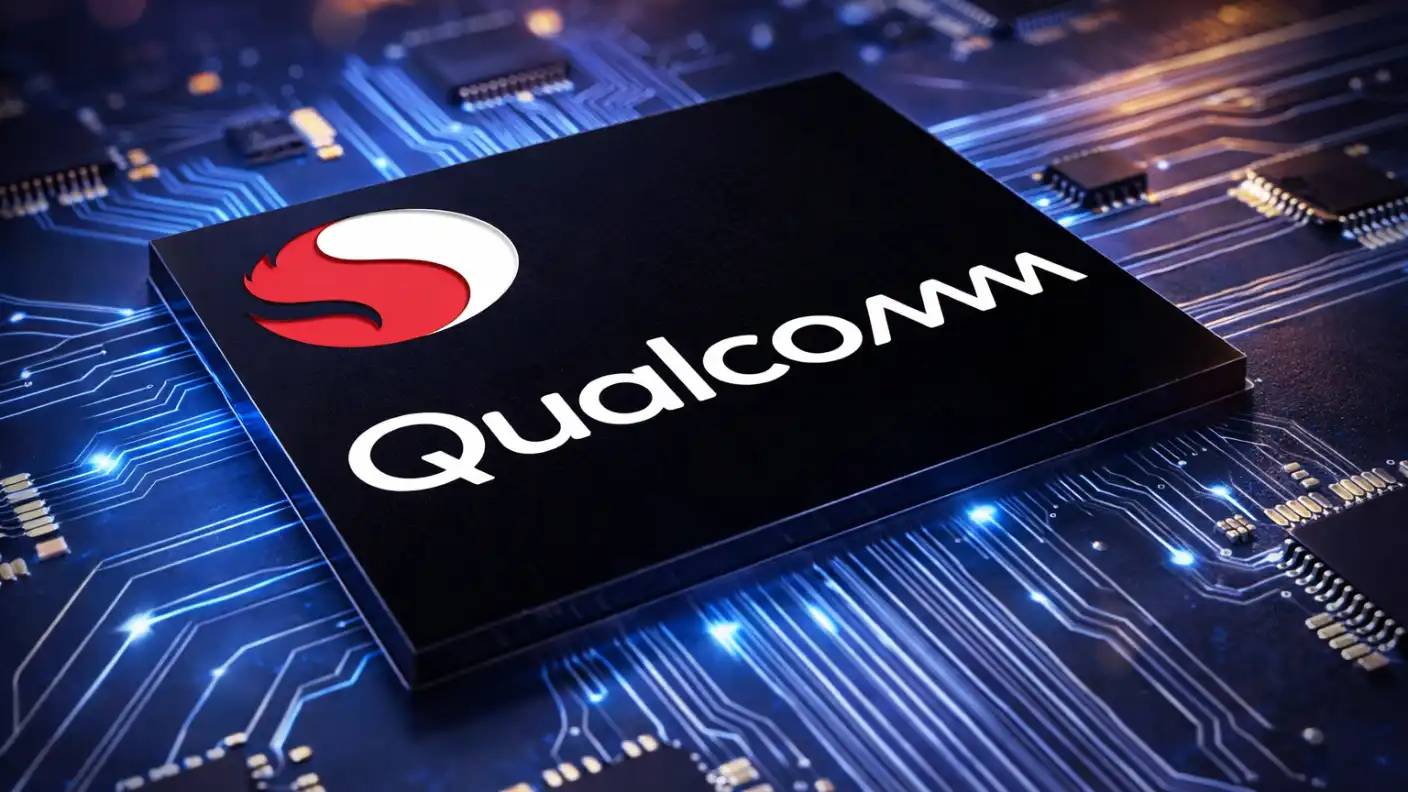
The landscape for high-performance laptops is shifting rapidly, and Qualcomm is ready to embrace the change. In a recent statement that surprised many industry observers, a senior vice president at Qualcomm extended a formal “welcome” to Nvidia’s upcoming RTX Spark laptop platform. This move signals a dramatic change in how the two tech giants interact. Instead of viewing Nvidia as a threat in the portable computing space, Qualcomm’s leadership believes the addition of Nvidia’s power to the laptop market will accelerate the transition toward a future defined by local artificial intelligence.
For years, the personal computer industry relied on a relatively stable set of players, with Intel and AMD controlling the CPU market and Nvidia dominating the discrete graphics sector. However, the rise of the “AI PC”—laptops capable of running complex machine learning models without relying on the cloud—has disrupted this balance. With companies now spending over $1 billion every quarter on AI software development, hardware makers are rushing to provide the necessary computing “muscle” to support these features. Qualcomm believes the introduction of the RTX Spark platform proves that the market for high-end AI laptops is finally ready to move into the mainstream.
Qualcomm has made its own aggressive play in this space with its Snapdragon-branded processors, which prioritize battery efficiency and low power draw. By welcoming Nvidia’s more performance-oriented RTX Spark systems, Qualcomm is validating the idea that the laptop market is wide enough for multiple architectures. The company argues that healthy competition is necessary to drive innovation, especially as developers create more demanding AI agents that require both efficient daily use and sudden bursts of extreme graphical performance.
The “RTX Spark” initiative, which brings high-end mobile graphics to a broader range of thin-and-light laptops, addresses a specific pain point for creative professionals. Previously, designers and developers often had to choose between a thin, portable machine with poor graphics or a bulky, heavy workstation that was difficult to carry. Nvidia’s new approach aims to bridge this gap, utilizing its powerful GPU architecture to handle tasks that were once reserved for desktop-grade hardware. Qualcomm’s leadership seems confident that this will expand the total addressable market for all players involved.
Economic data supports the need for this expansion. The premium laptop segment continues to grow as professionals realize they need more local computing power for things like real-time video editing, local large language model (LLM) processing, and complex data visualization. If Nvidia can successfully deploy its RTX Spark technology across a wider range of laptops, it could expand the total hardware market by as much as 1.5% to 2% annually. While that number might seem small to a casual observer, in an industry worth tens of billions, it represents a massive shift in consumer behavior and corporate procurement.
The relationship between Qualcomm and Nvidia is also evolving beyond just hardware competition. Both companies are now working closely with Microsoft to ensure that the Windows 11 and Windows 12 ecosystems provide the best possible support for these new AI-centric chips. By collaborating on the software foundations—such as unified driver standards and AI-enhanced task management—the entire PC industry is moving toward a more harmonious experience. This coordination reduces the “fragmentation” that once plagued the Windows laptop market, making it easier for customers to switch between different brands and architectures without worrying about software compatibility.
Qualcomm’s decision to welcome a major competitor shows a level of confidence in its own roadmap. The company is not just resting on its smartphone chip success; it is actively building a diverse portfolio of computing solutions for the PC market. With its focus on battery life and seamless connectivity, Qualcomm believes it can dominate the “always-on” category of computing. Meanwhile, it seems content to let Nvidia handle the heavy-duty graphical and AI-acceleration tasks, creating a complementary relationship rather than a destructive one.
Industry analysts are calling this the “coopetition” era of the semiconductor business. Because the challenges of building AI-ready hardware are so vast, no single company can control every part of the stack. By working alongside their rivals, these companies are accelerating the pace of development. What used to take five years to iterate now happens in roughly 18 months, as feedback from one hardware ecosystem quickly flows into the development plans of another.
The arrival of RTX Spark laptops later this year will likely set the stage for one of the most interesting holiday shopping seasons in recent memory. Consumers will have the choice between long-lasting, connectivity-focused machines and high-performance, AI-driven powerhouses. For professionals who have waited years for portable machines that can actually handle their most demanding workloads, this diversification of the market is the best possible outcome.
Ultimately, Qualcomm’s welcoming stance is a pragmatic recognition of where the industry is heading. The artificial intelligence wave is large enough to support multiple hardware approaches, and the transition toward localized AI is still in its infancy. As the market matures, the companies that successfully partner with each other to solve these complex engineering hurdles will be the ones that walk away with the lion’s share of the profit. For now, the “welcome” sign is out, and the next few months will show if these new laptops can truly live up to the massive hype generated by their creators.