
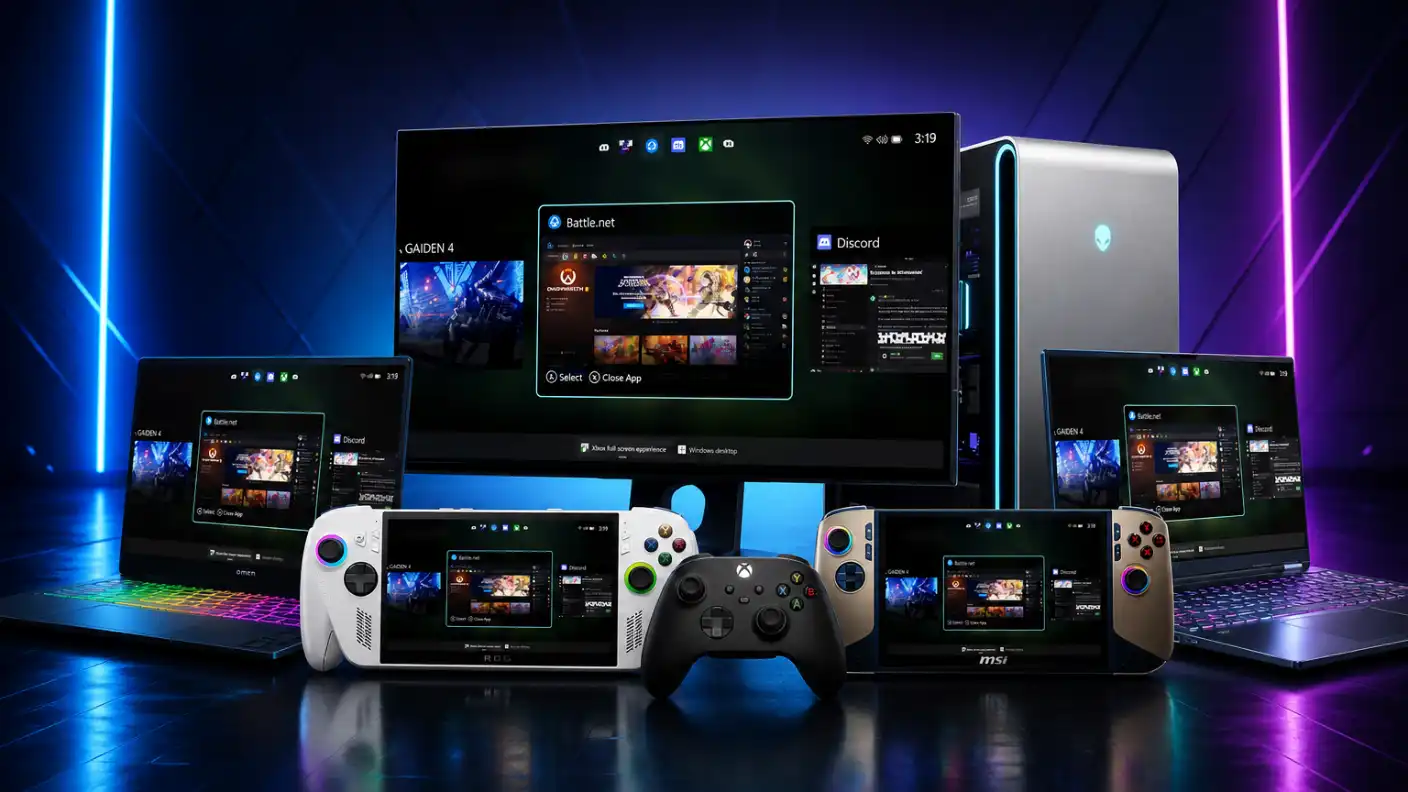
Microsoft is facing an uphill battle in the console hardware market as the cost of production for the Xbox Series X continues to climb. Recent industry reports reveal that the tech giant is currently grappling with a significant spike in the price of high-performance memory modules. For a company that has spent billions of dollars building out its gaming ecosystem, these surging component costs are beginning to strain profit margins, forcing executives to rethink their hardware strategy for the coming years.
The core issue centers on the specialized memory required for the Xbox Series X, which enables the console’s signature fast load times and high-fidelity graphics. Over the past twelve months, the global supply chain for these specific semiconductors has tightened, leading to a 15% to 20% increase in procurement costs for Microsoft. Because Microsoft committed to maintaining a stable retail price for the console, it cannot simply pass these costs on to the consumer. Instead, the company is effectively “bleeding” capital on every unit that rolls off the assembly line.
This financial pressure comes at a difficult time for the Xbox division. While the company has invested over $70 billion in content and acquisitions to fuel its Game Pass subscription service, the physical hardware still serves as the gateway for its users. If the cost of manufacturing remains high, it limits the company’s ability to offer competitive hardware discounts, which are typically used to expand the install base during the mid-cycle of a console’s life. Industry analysts suggest that if these prices do not stabilize soon, Microsoft may be forced to explore mid-cycle hardware revisions to use cheaper components.
The broader semiconductor market is struggling with a massive imbalance between supply and demand. As AI and data center companies consume the lion’s share of high-end memory production, consumer electronics manufacturers are left fighting for the remaining inventory. Microsoft is now competing for these components against companies that are willing to pay a 30% premium to secure supply. This puts Xbox in a defensive position, where it must balance the need for high-quality gaming hardware against the economic reality of a shrinking margin on physical sales.
For the average gamer, these supply chain struggles might remain invisible, but they have real-world consequences. We are seeing a shift in how companies handle hardware production. Instead of focusing solely on shipping millions of units, Microsoft is becoming more selective. By optimizing its manufacturing processes and negotiating long-term supply contracts, the company aims to weather this storm. However, the days of aggressive price cuts and bundle deals are likely over until the component market finds a more sustainable balance.
Looking ahead, this situation underscores the fragility of the modern console business model. Companies like Microsoft rely on selling hardware at a slim profit—or even a loss—and making up the difference through software and subscriptions. When the “loss” part of that equation expands due to unforeseen spikes in memory or chip costs, the entire model faces stress. Microsoft is currently managing this by leaning heavily into cloud gaming and PC integration, which reduces the absolute requirement for users to own the latest, most expensive console hardware.
As we move toward 2027, the industry will watch closely to see if Microsoft can successfully stabilize its hardware costs. The company has a history of weathering difficult financial cycles, but the current memory market presents a challenge unlike any other. Whether through technological innovation or supply chain diversification, Microsoft must find a way to stop the bleeding and restore hardware profitability before the next generation of gaming begins. For now, the Xbox Series X remains a marvel of engineering, even if the price of that engineering is becoming harder for the company to justify.