
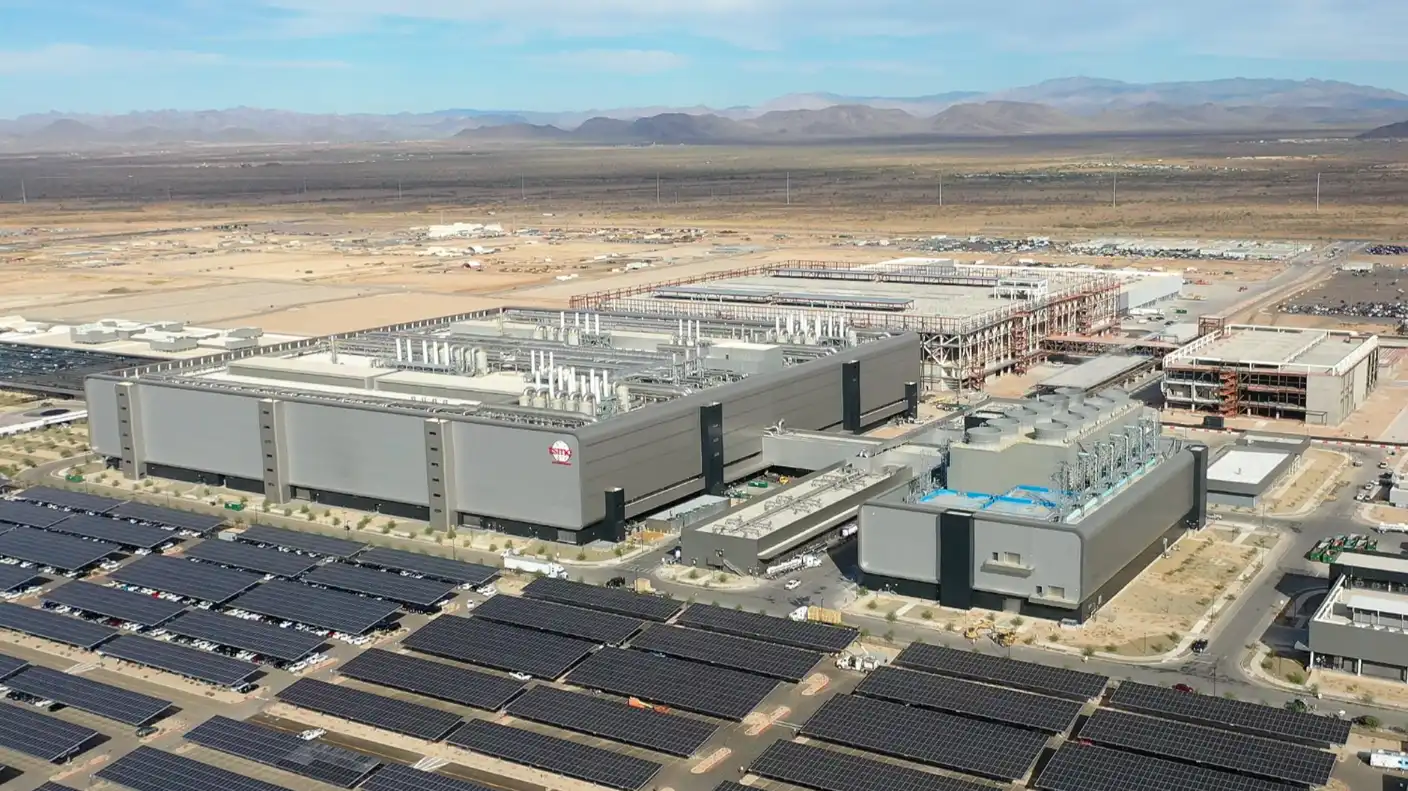
TSMC, the world’s biggest chipmaker, is bringing its most advanced technology to Japan. According to a new government filing, the company plans to start making 3-nanometer chips at its second Japanese factory in 2028. This move marks a big step forward for Japan’s tech industry, which has been working hard to regain its spot as a global leader in electronics.
These 3-nanometer chips are much faster and more efficient than what most factories produce today. Earlier this year, TSMC CEO CC Wei met with Japan’s Prime Minister, Sanae Takaichi, to discuss the project. The new factory will churn out 15,000 of these high-tech wafers every single month once it hits full speed and installs the necessary equipment.
This is a significant upgrade from TSMC’s original vision for its operations in Japan. Previously, the company focused on older, less-advanced chips. While those older models are still useful for cars and home appliances, the new 3-nanometer tech is what actually powers the latest smartphones and the most advanced artificial intelligence systems.
Building these massive factories requires a staggering amount of money. While TSMC hasn’t officially given an exact price tag for this second plant, local newspapers suggest it could cost around $17 billion. Back in 2024, the company estimated that its total investment for both its first and second Japanese factories would likely top $20 billion.
TSMC isn’t working alone on this massive project. They first launched their Japanese division in 2021 with a lot of support from Sony. Since then, other massive companies like Toyota and Denso have hopped on board as minority investors. Their partnership seems to be paying off quickly, as the first factory in the country already started pumping out chips in late 2024.
For Japan, this deal is about more than just business; it is about security. By having these 3-nanometer chips made locally, Japanese carmakers and tech firms won’t have to worry as much about global shipping delays or trade wars. When the second factory opens its doors in 2028, it will cement Japan’s position as a major hub for the most powerful technology on the planet.