
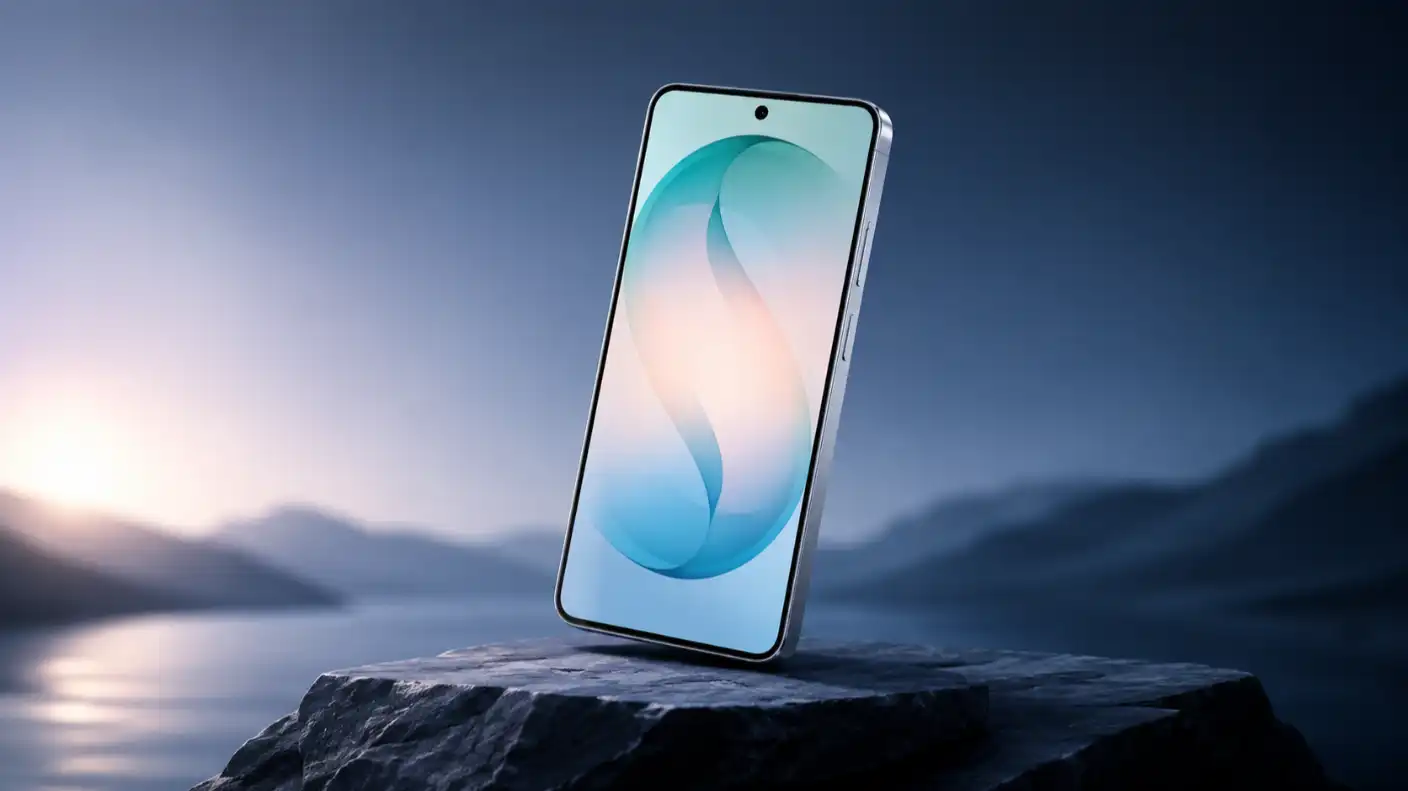
Smartphone fans waiting for the next massive leap in camera technology might be in for a surprise. New reports suggest that the upcoming Samsung Galaxy S27 Pro will feature a camera configuration nearly identical to the current Galaxy S26 Ultra. While Samsung has long used its “Ultra” series to introduce groundbreaking sensor technology, the choice to bring that same hardware to the “Pro” model suggests a change in how the company manages its flagship lineup. Instead of pushing for higher megapixels or larger sensors every single year, Samsung appears to be focusing on software optimization and cost efficiency.
The industry has watched Samsung’s camera strategy closely for years. Historically, the company reserved its most expensive, high-end camera hardware for the Ultra models, creating a clear gap between the base flagships and the premium offering. By bringing the S26 Ultra’s proven sensor setup to the S27 Pro, Samsung is essentially “democratizing” its flagship photography experience. This move makes the S27 Pro a much more attractive option for users who want top-tier photo quality without needing the massive, heavy frame that usually comes with the Ultra branding.
There is a pragmatic reason for this decision, tied to the state of the global supply chain. Manufacturing a smartphone at this level of quality costs a staggering amount of money. Research and development budgets for major tech companies now exceed $1 billion annually. When a company finds a camera sensor that performs exceptionally well, it makes perfect financial sense to reuse that hardware across multiple models. By leveraging the existing supply chain for the S26 Ultra, Samsung avoids the expensive process of designing and validating brand-new sensor modules for every single release.
Consumers often wonder if reusing camera hardware is a bad thing. In reality, modern smartphone photography relies much more on computational photography than on the glass and sensors themselves. The software that processes the images—what the phone does in the background to handle lighting, focus, and color—is where the real magic happens. By using the S26 Ultra’s hardware, Samsung can apply its most mature, bug-free image processing algorithms to the S27 Pro. This likely means that users will get a highly reliable, consistent camera experience right out of the box, rather than waiting for software updates to fix early issues.
The broader market dynamics in 2026 also support this choice. As hardware costs rise, phone manufacturers are struggling to keep retail prices below the $1,000 threshold. If Samsung can keep the camera hardware consistent, they save millions of dollars in manufacturing complexity. Those savings can then be passed on to the customer or used to improve other features like battery life, faster charging speeds, or new artificial intelligence agents that are quickly becoming the main reason people upgrade their devices in 2026.
Despite the lack of new “megapixels,” the S27 Pro is expected to introduce several AI-driven upgrades. Because the camera hardware remains familiar, engineers can focus their time on training new neural networks that improve low-light performance and zoom clarity. Recent data shows that even a 1.5% improvement in image processing software is more noticeable to the average user than a 10% increase in the physical size of the camera sensor. Samsung knows that its users value shareable, social-media-ready photos above all else, and software is the best way to deliver those results.
This approach also simplifies the ecosystem for app developers. When companies like Instagram, TikTok, and Snapchat design their apps, they have to optimize their camera interfaces for the most popular sensors on the market. By standardizing the camera hardware across the S26 Ultra and the S27 Pro, Samsung makes it easier for these developers to ensure their apps work perfectly. A more stable hardware lineup means fewer crashes, better integration with third-party cameras, and an overall more polished experience for the user.
We must also look at the competitive landscape. Chinese smartphone manufacturers are releasing new flagship phones at an incredible pace, often including large sensors and clever zoom lenses at much lower prices. Samsung’s decision to reuse proven technology helps it maintain a defensive position. It allows them to fight off these aggressive competitors with a device that feels premium, works reliably, and costs less to manufacture, protecting their profit margins while still offering a flagship experience.
Will loyal Samsung fans feel disappointed? It depends on what they value most. If you are the type of person who chases the absolute “newest” gadget every single year, the S27 Pro might feel like a minor update. However, for the average person who upgrades their phone every two or three years, the S27 Pro could be the best deal in the company’s history. It brings the high-end photography power that cost a fortune in 2025 down to a more accessible tier, making high-end mobile photography available to a wider audience.
As we look toward the official launch, the success of the S27 Pro will depend on how well the marketing team explains the value. They need to show that this phone isn’t just “the old camera in a new body,” but a refined, AI-enhanced tool that leverages one of the best hardware platforms Samsung ever built. If they can convey the benefits of the software upgrades effectively, the lack of new camera hardware will likely become a secondary concern for most buyers. The goal for 2026 is simple: make the best experience for the most people at the best possible price.