
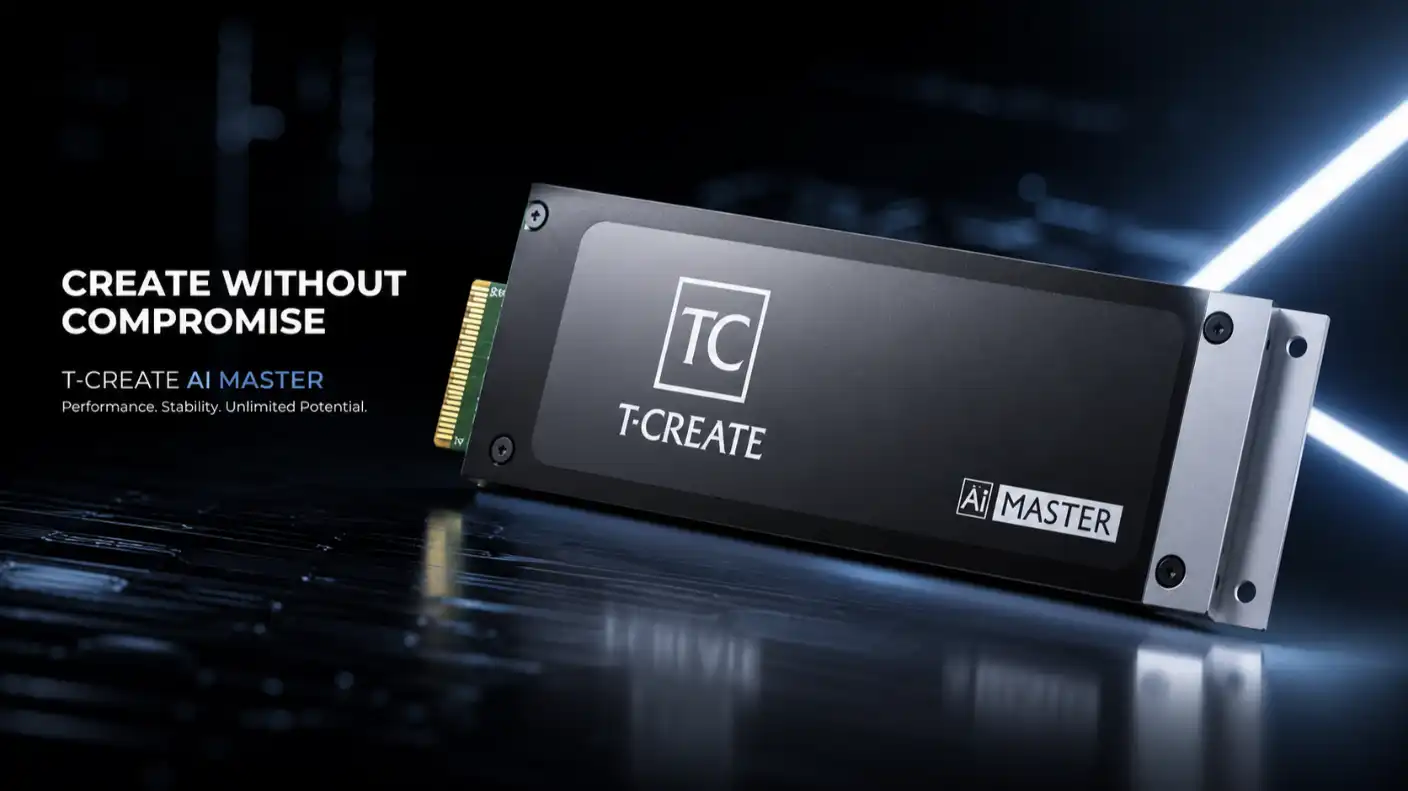
TeamGroup has officially pushed the boundaries of storage technology with the launch of its latest PCIe 6.0 solid-state drive (SSD). This new piece of hardware achieves a staggering sequential read speed of 28GB/s, effectively doubling the performance ceiling of current PCIe 5.0 drives. For data center operators and high-end workstation users, this represents a monumental leap in data throughput. However, despite the excitement surrounding these speeds, the average consumer will find themselves unable to utilize this technology on a standard desktop PC for the foreseeable future.
The massive jump in speed comes from the adoption of the PCIe 6.0 interface, which utilizes Pulse Amplitude Modulation (PAM4) signaling to pack more data into every clock cycle. While a speed of 28GB/s is a game-changer for tasks like massive file transfers, real-time AI model training, and high-fidelity video rendering, the current generation of consumer motherboards and processors lacks the necessary lanes and controllers to support it. Most desktop systems currently on the market are still transitioning to PCIe 5.0, making a PCIe 6.0 drive a purely enterprise-grade product at this stage.
Thermal management remains the biggest obstacle for home PC integration. At speeds reaching 28GB/s, the controller inside an SSD generates immense amounts of heat. TeamGroup’s new enterprise drive requires robust, specialized cooling systems, such as industrial-grade liquid cooling or massive active heatsinks, to prevent thermal throttling. A standard desktop case with basic airflow simply cannot dissipate the heat generated by these drives under sustained heavy workloads. Without specialized cooling, the drive would likely throttle its performance down by more than 50% within minutes of operation.
From a cost-to-performance perspective, the target audience for this SSD is clearly the enterprise sector. Companies are willing to pay a significant premium for storage that reduces the time spent on high-frequency data operations. While TeamGroup has not provided an exact retail price, early estimates suggest that these high-capacity, high-speed units could easily cost $1,500 or more per drive. For a normal gamer or home office user, the real-world difference in performance compared to a standard 7GB/s PCIe 4.0 drive is virtually imperceptible in daily tasks like opening apps or loading games.
Furthermore, the hardware ecosystem must catch up before this tech trickles down to consumers. Intel and AMD are currently developing their future platforms, but it will likely take another two years for mainstream consumer chipsets to fully support the PCIe 6.0 standard. Even when these processors arrive, the average user will need to upgrade their motherboard and likely their power supply unit to handle the increased electrical requirements of such high-performance storage. Expect the first consumer-ready PCIe 6.0 motherboards to hit shelves no earlier than late 2027.
Despite its current incompatibility with home PCs, this launch serves as a vital signal of where storage tech is heading. TeamGroup is setting the stage for a new standard that will eventually redefine digital workflows. In the near future, we will see the benefits of these speeds in consumer devices, perhaps starting with high-end laptops or pro-sumer workstations. The industry is currently moving toward an era where moving 100GB of data takes only a few seconds, a reality that seemed impossible just five years ago.
As we look toward the future, the integration of these SSDs into enterprise networks will undoubtedly accelerate AI development and large-scale data analysis. While you definitely cannot slot this drive into your gaming rig today, its arrival marks the beginning of the end for storage bottlenecks. For now, enthusiasts can enjoy the knowledge that the hardware of the future is finally in production, even if it stays behind the closed doors of server rooms for the next 18 to 24 months.