
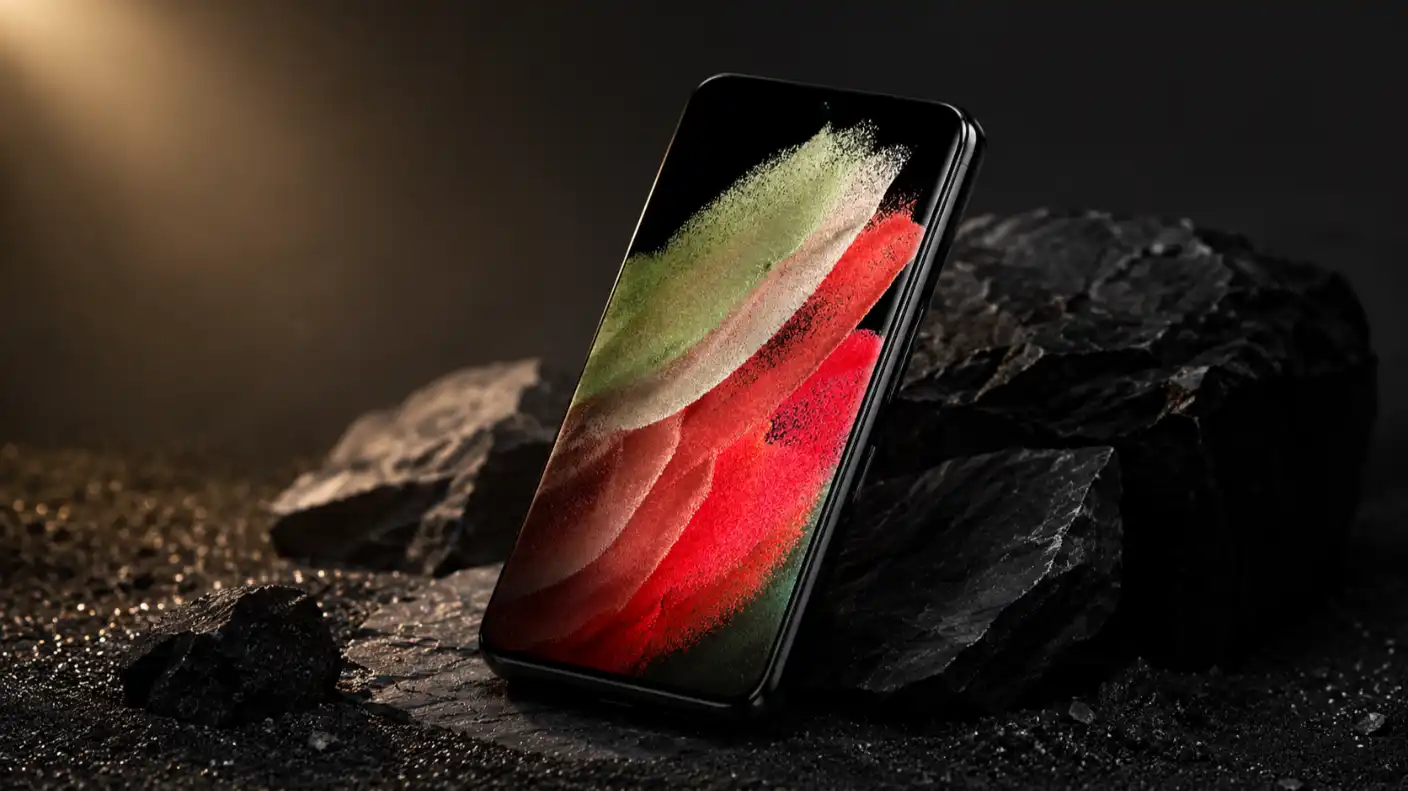
The smartphone industry is bracing for a major shift in design, and the competition between Apple and Samsung is heating up faster than ever. Rumors suggest that Apple plans to unveil the iPhone 20 in 2027, which will reportedly feature a “quad-curved” display that wraps around all four sides of the phone. While Apple is busy perfecting this futuristic look, Samsung has been quietly developing its own version of the technology. Insiders claim Samsung has been testing a “3D curved” panel since 2025, which could appear on its own flagship devices as early as 2028.
The term “3D curved” likely refers to an OLED panel where three sides of the screen feature a distinct, rounded edge, while the fourth side remains flat. This design choice is intended to give the phone a seamless, glass-like appearance that removes the traditional thick bezels found on current models. Samsung acts as Apple’s exclusive display supplier for the upcoming iPhone 20, a massive business relationship that carries significant value—sometimes worth well over $1 billion for the display division alone. It appears Samsung is using this deep partnership to gain early insights into the next generation of screen technology.
According to reports circulating on social media, one of the specific conditions of Apple’s contract with Samsung is a restriction against copying the “quad-curved” design too closely. Apple likely wants to maintain a unique visual identity for its 20th-anniversary iPhone, forcing Samsung to pursue a slightly different 3D-curved approach for its Galaxy S series. Industry experts expect this Samsung flagship to arrive in early 2028, giving Apple a short window to enjoy its unique design before the Korean giant enters the market with a direct competitor.
This technological arms race is already sparking a frenzy among Chinese smartphone makers. Several companies have been spotted testing their own versions of quad-curved screens to gain bragging rights and keep up with the global trend. Because Samsung possesses deep expertise in display manufacturing, it remains the only company currently capable of producing these complex panels at a high quality. This puts Samsung in a powerful position: it can build the screens for Apple, while simultaneously supplying similar technology to other rivals who want to challenge the iPhone’s dominance.
Samsung will likely limit this expensive new screen technology to its most premium models. Analysts expect the 3D curved display to be an exclusive feature for the Galaxy S28 Ultra, while the standard models in the lineup will stick with traditional, flat screen designs. This strategy makes financial sense for a company that must manage its profit margins carefully. A screen with this level of curvature can increase manufacturing costs by 1.5% to 3% compared to standard panels, so putting it only on the most expensive phone ensures the company stays profitable.
We also have to consider how this hardware will affect the software experience. Apple is reportedly working on a “Liquid Glass” interface designed to work with the curves of its new display, creating stunning refraction effects as light hits the edges of the phone. It remains to be seen if Samsung’s next One UI update will attempt to mimic these visual tricks. If Samsung does adopt a similar interface, it would be yet another example of how the two companies borrow ideas to keep their respective ecosystems feeling modern and fresh.
The shift toward curved screens is about more than just aesthetics; it is about changing how we touch and hold our devices. As these screens wrap further around the edges of the phone, engineers have to move volume buttons and power switches to new locations or replace them with touch-sensitive areas. This evolution requires a massive amount of testing to ensure that the phone does not accidentally register “ghost touches” while a user is just holding it in their hand.
While we wait for official announcements, it is clear that the next few years will be defined by this display war. Apple is banking on the iPhone 20 to capture the imagination of the public, while Samsung is positioning itself as the undisputed master of the OLED supply chain. For the average consumer, this means the phones we carry in 2028 will look nothing like the blocky devices we use today. Whether these curves are a genuine improvement or just a flashy way to justify a higher price, Samsung is ready to supply the industry with the tech required to make it happen.