
Samsung Electronics and Advanced Micro Devices (AMD) have officially teamed up to boost memory chip supplies for AI infrastructure. This new agreement strengthens their existing relationship and focuses on powering AMD’s upcoming AI products with Samsung’s cutting-edge memory technology.
The partnership centers on Samsung supplying its next-generation high-bandwidth memory (HBM4) for AMD’s future Instinct MI455X AI accelerators. Additionally, Samsung will provide optimized DDR5 memory for AMD’s sixth-generation EPYC processors. This means Samsung will become a key supplier of advanced memory for AMD’s most powerful AI chips.
Beyond memory, the companies are also discussing a potential manufacturing deal. Under this, Samsung could produce chips for AMD’s future products. This would expand their collaboration even further into the core of chip production.
Samsung already plays a crucial role for AMD, supplying HBM3E chips used in AMD’s current MI350X and MI355X accelerators. This new agreement solidifies Samsung’s position as a primary HBM provider for AMD’s next-generation AI graphics processing units (GPUs).
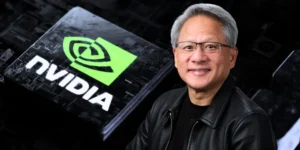
This significant agreement comes just as Nvidia held its annual developer conference, GTC. At the event, Nvidia CEO Jensen Huang also announced a manufacturing partnership with Samsung and praised its HBM4 chips. This highlights a bigger trend in the chip industry: companies are scrambling to secure long-term deals for advanced memory. The booming demand for AI is reshaping the semiconductor market and making HBM chips a hot commodity.
Recently, AMD has made big moves in the AI chip market. Last month, it announced a deal to sell up to $60 billion worth of AI chips to Meta Platforms over five years. This agreement allows Facebook’s parent company to buy as much as 10% of these specialized chips. AMD also signed a similar deal with OpenAI last year.
Samsung, the world’s biggest memory chipmaker, is working hard to catch up with rivals in the fast-growing HBM market. While it currently holds about a 22% share of the global HBM market, behind leader SK Hynix’s 57%, this partnership with AMD could significantly boost its standing and market share in this crucial AI component.