
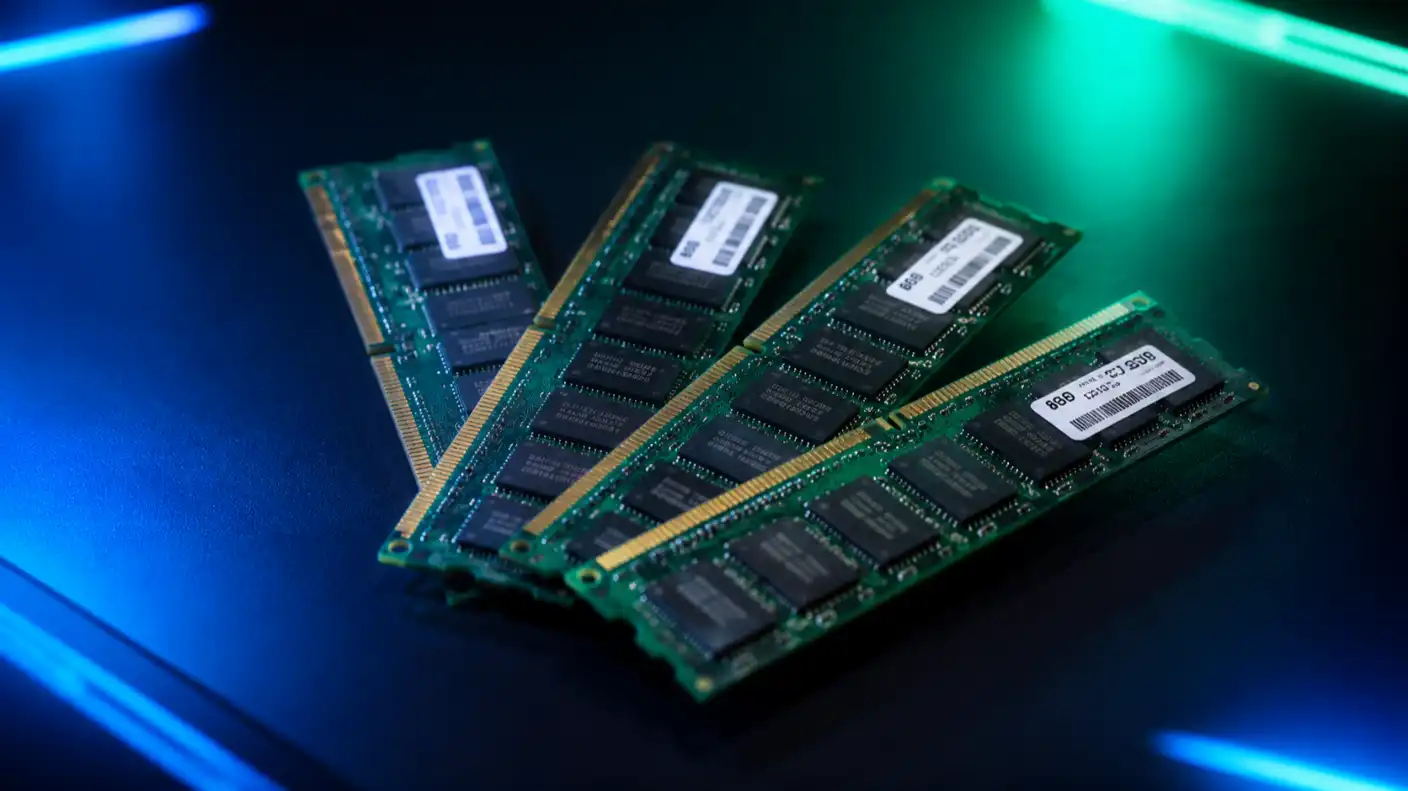
If you are planning to build a new PC or upgrade your workstation, you might want to finalize those purchases immediately. A senior regional manager at Lexar recently issued a stark warning that the cost of computer memory is poised to surge. According to industry forecasts, RAM prices could double—marking a 100% increase—by the final months of 2026. This potential price hike stems from a tightening supply chain and a shift in how major manufacturers manage their inventory globally.
For months, consumers have enjoyed relatively affordable prices on high-speed DDR5 memory kits. This trend occurred largely because distributors were aggressively clearing out older stock to make room for newer, faster modules. During this period, deep discounts became the norm rather than the exception. However, that surplus is now evaporating. As distributors exhaust these stockpiles and market demand stabilizes, the downward pressure on pricing is vanishing, leaving the market vulnerable to significant cost spikes.
Several factors drive this looming price surge. Production facilities are currently struggling to keep pace with the exploding demand for artificial intelligence hardware, which utilizes similar high-bandwidth memory technologies. As silicon manufacturers shift their focus toward lucrative data center contracts, the supply of consumer-grade DRAM for desktops and laptops is taking a backseat. This shift effectively constrains the amount of memory available for the retail market, creating a classic supply-and-demand mismatch that pushes prices upward.
Regional sourcing strategies are also adding to the volatility. In recent months, some distributors kept prices low by sourcing memory chips from regions where inventory was sitting idle. This allowed retailers to offer competitive deals despite rising wholesale costs. Now that these secondary supply channels are drying up, retailers have no choice but to adjust their pricing to reflect the actual global market value. Analysts expect this transition to happen quickly, possibly catching many buyers off guard.
The impact of this 100% price jump will be felt most heavily by gamers and creative professionals. A high-end 32GB DDR5 kit, which might currently cost around $100, could easily see its price tag balloon to $200 before the holiday season. For system integrators and large enterprises, these costs represent a significant hit to their operational budgets. The rising cost of memory adds another layer of financial complexity to the already expensive process of maintaining modern, high-performance computing setups.
Market watchers advise that now is the best time to lock in current prices. While it is impossible to predict the exact timing of these increases with total certainty, the current trajectory suggests that the “easy” days of cheap RAM are quickly coming to a close. Once the current inventory of discounted products leaves the warehouse shelves, the new, higher wholesale prices will become the standard. Consumers who wait until November or December could face a much more expensive reality.
As the industry pivots toward this high-cost environment, manufacturers are also looking for ways to optimize production. Companies are focusing on higher-density modules that offer more capacity per stick, attempting to justify the increased price with better performance. Even so, the immediate outlook remains one of caution. For anyone waiting for a “better deal” to appear later this year, the data suggests that the current price point is likely the lowest you will see for the foreseeable future.