
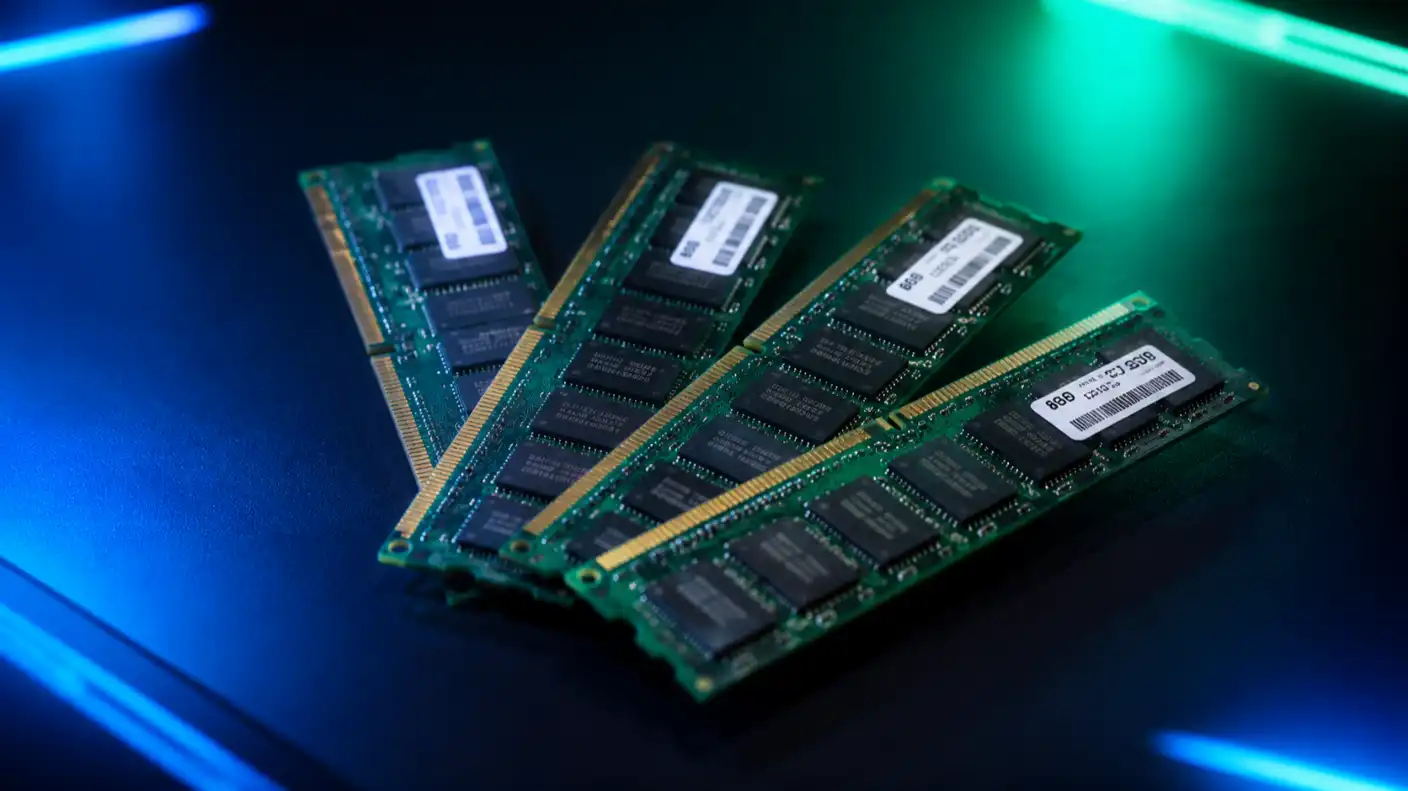
If you have been waiting for the perfect moment to upgrade your computer’s memory, the stars have finally aligned. Recent data from the 2026 RAM Price Index confirms that prices for both DDR5 and DDR4 memory kits have plummeted to their lowest levels in years. Whether you are building a high-performance workstation for video editing or simply looking to breathe new life into an aging gaming rig, the current market offers unprecedented value for consumers and system builders alike.
The primary driver behind this price drop is a combination of stabilized manufacturing yields and a temporary surplus in inventory. Over the last 18 months, memory manufacturers significantly ramped up production to meet the anticipated demands of the AI boom. However, as the market reached a point of saturation, supply began to outpace demand. This shift has forced retailers and wholesalers to slash prices to clear out warehouse space, resulting in some kits selling for 30% less than they did just twelve months ago.
For those making the jump to modern platforms, DDR5 memory is now more affordable than it has ever been since its introduction. High-speed 32GB kits that once cost hundreds of dollars are now regularly available for under $90. Even premium modules with high-frequency profiles, once reserved for the ultra-enthusiast crowd, have seen price reductions of roughly 20% across the board. This accessibility makes it easier for average users to equip their systems with enough headroom to handle modern operating systems and demanding software applications for years to come.
DDR4 memory, the workhorse of the industry, remains incredibly cheap for users who are not yet ready to upgrade their entire motherboard and CPU. If you are still running a system built in the last five years, you can often double your memory capacity for less than $40. These budget-friendly prices offer a cost-effective way to extend the lifespan of older hardware, proving that you do not need to spend thousands of dollars to see a noticeable jump in daily performance and multitasking capabilities.
Beyond just the raw cost per gigabyte, the variety of options currently on the shelves is staggering. Manufacturers have flooded the market with low-profile kits, RGB-lit performance memory, and specialized server-grade sticks. Because competition among brands like Corsair, G.Skill, and Crucial is so intense, consumers are seeing a “value war.” This competition forces companies to bundle better heat spreaders and higher-quality silicon for the same price, giving the end-user a much better product for their money compared to the pricing cycles we saw in 2024 or 2025.
Industry experts anticipate that this price floor will hold steady through the remainder of the summer, but shoppers should be aware that the window of opportunity might close by the end of the year. Historically, the memory market follows a cyclical pattern, and as manufacturers begin to throttle back production to stabilize their own profit margins, prices will naturally tick upward. Furthermore, the upcoming release of new processor architectures often brings a surge in demand for memory, which could lead to a localized shortage of high-speed DDR5 kits.
For those planning a build, the math is simple: saving $50 on a 64GB memory kit can be reallocated to a better graphics card or a faster SSD. The current market conditions allow builders to maximize their budget in ways that were impossible just two years ago. If you are currently operating with 8GB or 16GB of RAM, moving up to 32GB or even 64GB is no longer a luxury—it is an affordable necessity that will make your computer feel significantly more responsive and capable of handling modern multitasking.
As we move deeper into 2026, the tech landscape continues to demand more from our systems. Whether it is browser tabs that eat memory or professional software that requires large caches, the extra RAM is one of the few upgrades that provides a tangible, immediate benefit to user experience. With prices resting at these historic lows, there has truly never been a better time to pull the trigger on a memory upgrade. Keep an eye on major retailers for flash sales, but don’t feel pressured to wait for a “better” deal—the market is already giving you the best prices we have seen in a very long time.