
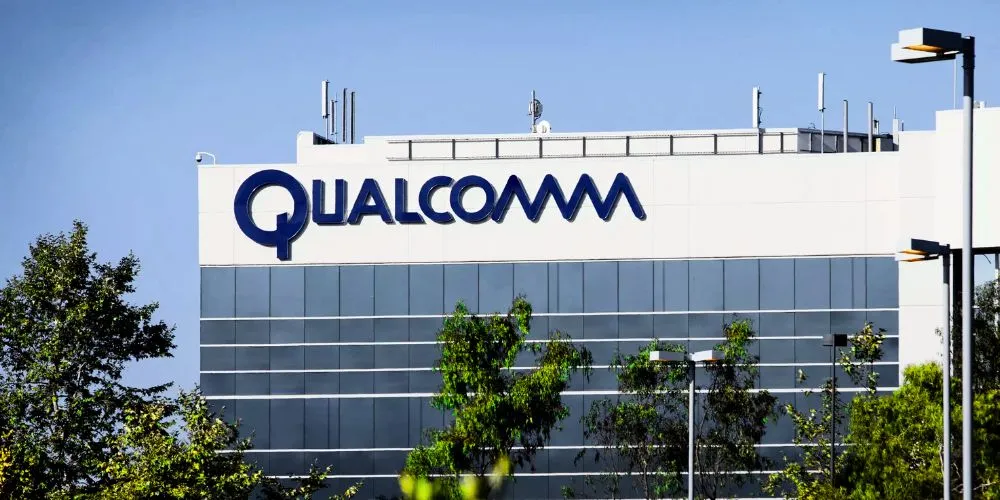
Qualcomm is making a bold move to secure its future in one of the world’s most competitive technology markets. According to recent reports, the semiconductor giant is currently developing a new line of data center processors specifically engineered for the Chinese market. These custom chips are being designed to comply strictly with U.S. export controls, allowing Qualcomm to maintain a vital presence in China while adhering to international trade regulations.
The global race for AI supremacy depends heavily on high-performance computing, and China remains a critical theater for this competition. By creating a product that satisfies both American regulatory requirements and Chinese market demand, Qualcomm aims to protect a significant portion of its revenue. Industry experts estimate that the company could safeguard several hundred million dollars in annual sales through this strategic segmentation. It is a calculated balancing act that reflects the growing complexity of the global supply chain.
At the core of this initiative is a desire to bypass the restrictive “performance thresholds” set by U.S. officials. Current export laws limit the sale of chips that exceed certain computing power and data transfer speeds. Qualcomm’s engineers are reportedly modifying their existing server-grade architecture to fall just under these caps. By trimming the raw speed while maintaining high efficiency in AI workloads, the new chips will offer Chinese firms the utility they need for cloud services and local data processing without triggering compliance violations.
This move follows a trend where major chipmakers attempt to keep their footing in China despite a tightening geopolitical landscape. Rival companies have already pursued similar strategies, releasing “lite” versions of their flagship AI accelerators. Qualcomm, however, brings a unique advantage with its deep expertise in power-efficient computing. Their background in mobile and edge devices allows them to prioritize performance-per-watt, a metric that is becoming increasingly important for green energy-focused data centers in China.
Despite the technical hurdles, analysts warn that this strategy is not without risks. The U.S. government updates its export guidelines frequently, and what is considered “compliant” today may be prohibited tomorrow. Qualcomm must invest heavily in R&D to maintain this delicate balance, potentially spending over $200 million just to tailor these specialized designs. If the rules tighten again, these custom chips might quickly become obsolete, forcing the company to pivot yet again.
Furthermore, the Chinese market is accelerating its own domestic efforts to build independent semiconductor alternatives. Companies within China are pouring billions of dollars into indigenous chip development, hoping to move away from Western technology entirely. Qualcomm’s decision to offer a custom chip is a race against time. They must establish their silicon as the standard for Chinese data centers before local alternatives reach a point where they are just as fast and far cheaper.
For the global semiconductor industry, this news highlights the ongoing fragmentation of the tech world. We are moving toward a reality where products are increasingly region-specific, dictated as much by laws and treaties as by transistors and software. Investors and stakeholders are watching this situation with keen interest, as the success of these custom chips could determine whether Qualcomm remains a top-tier player in the Chinese server market throughout the late 2020s.
Ultimately, this development confirms that China is still an essential piece of the global AI puzzle. Qualcomm’s refusal to abandon the market demonstrates that even with stringent export hurdles, the potential for growth remains too large to ignore. By iterating on their designs and staying ahead of the regulatory curve, the company hopes to maintain its competitive edge while keeping its operations firmly within the bounds of international law.