
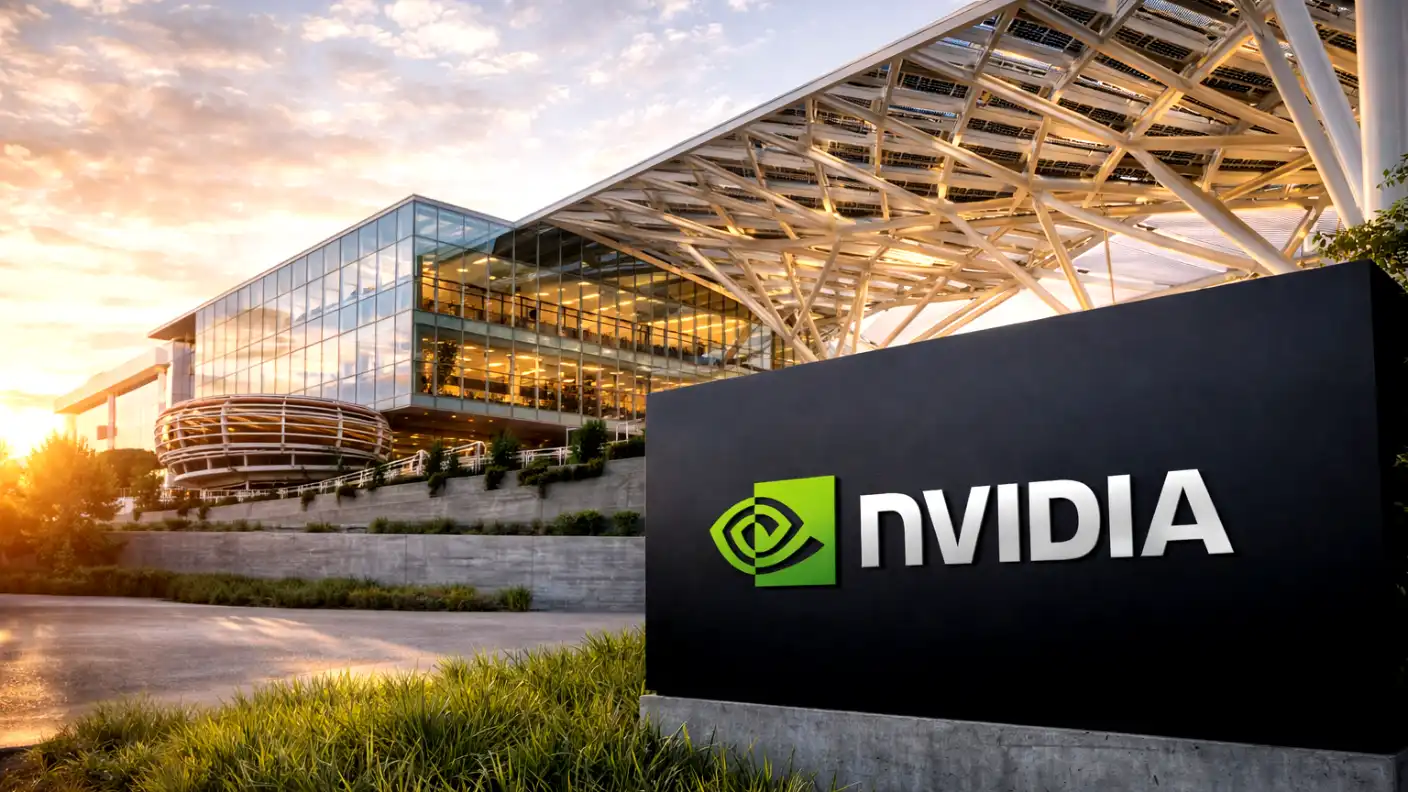
NVIDIA is fundamentally changing how we look at thin-and-light laptops with the official launch of its new “RTX Spark” initiative. Designed to bring high-performance AI capabilities into ultra-portable chassis, this new platform bridges the gap between massive desktop power and everyday mobility. Major manufacturers, including ASUS, Dell, HP, Microsoft, MSI, and Lenovo, have already begun showing off their first wave of devices. These machines promise to deliver the same high-end features found in bulky gaming rigs, all while maintaining a battery life and form factor that fits perfectly into a professional backpack.
The core of the RTX Spark initiative focuses on efficiency without compromise. NVIDIA has optimized its latest architecture to ensure that even its smallest laptops can handle heavy AI workloads, professional creative applications, and modern gaming. By utilizing new thermal management systems and advanced power-throttling technology, these machines can push performance 20% higher than previous-generation ultra-portables. Users no longer need to choose between a thin design and the ability to run complex local AI models or high-fidelity 3D software.
ASUS and Dell are leading the charge with premium aesthetics that highlight the potential of the RTX Spark badge. The new models from these brands feel remarkably light, weighing in at under 1.2 kilograms in several configurations. Despite the weight reduction, they feature sophisticated cooling fans and vapor chambers that keep the system running cool even under heavy loads. This hardware design choice effectively solves the “thermal wall” that has plagued thin laptops for years, allowing the GPU to sustain higher clock speeds for longer durations during intensive video editing or gaming sessions.
HP and Lenovo are targeting the enterprise and hybrid-work segments with their versions of the RTX Spark hardware. These laptops prioritize connectivity and display quality, offering stunning OLED screens with 100% DCI-P3 color coverage. For professionals who spend hours in video calls or running local AI productivity tools, the hardware acceleration provided by the integrated NVIDIA chips is a total game changer. It offloads tasks from the CPU, which saves battery life and keeps the system snappy even when juggling a dozen browser tabs and multiple creative applications.
Microsoft and MSI are rounding out the initial launch by focusing on the seamless integration of software and hardware. Microsoft is pushing the boundaries of what a portable PC can do by optimizing its operating system specifically for the new RTX Spark framework. MSI, known for its high-performance DNA, has managed to squeeze impressive power into a chassis that feels like a standard business laptop. By balancing the power draw of the graphics card with the efficiency of modern processors, these systems are setting a new baseline for what a high-end laptop should feel like in 2026.
Beyond the hardware specs, the true value of the RTX Spark platform lies in its AI ecosystem. These laptops come fully equipped to run local large language models (LLMs) and advanced image-generation tools without needing a constant internet connection. This provides a massive boost to privacy and speed for developers and designers alike. With NVIDIA backing these devices, consumers can expect long-term software support and regular updates that continue to improve performance even months after their initial purchase.
The market response to these initial units has been overwhelmingly positive, with retailers reporting strong pre-order interest. Analysts expect the RTX Spark category to grow by 15% to 20% in the coming year as more brands adopt the standard. For anyone in the market for a new laptop that doesn’t feel like a compromise, this new wave of hardware finally delivers the perfect mix of speed, design, and intelligence. Whether you are a hardcore gamer, a digital artist, or a business professional, these machines are built to handle whatever you throw at them.