

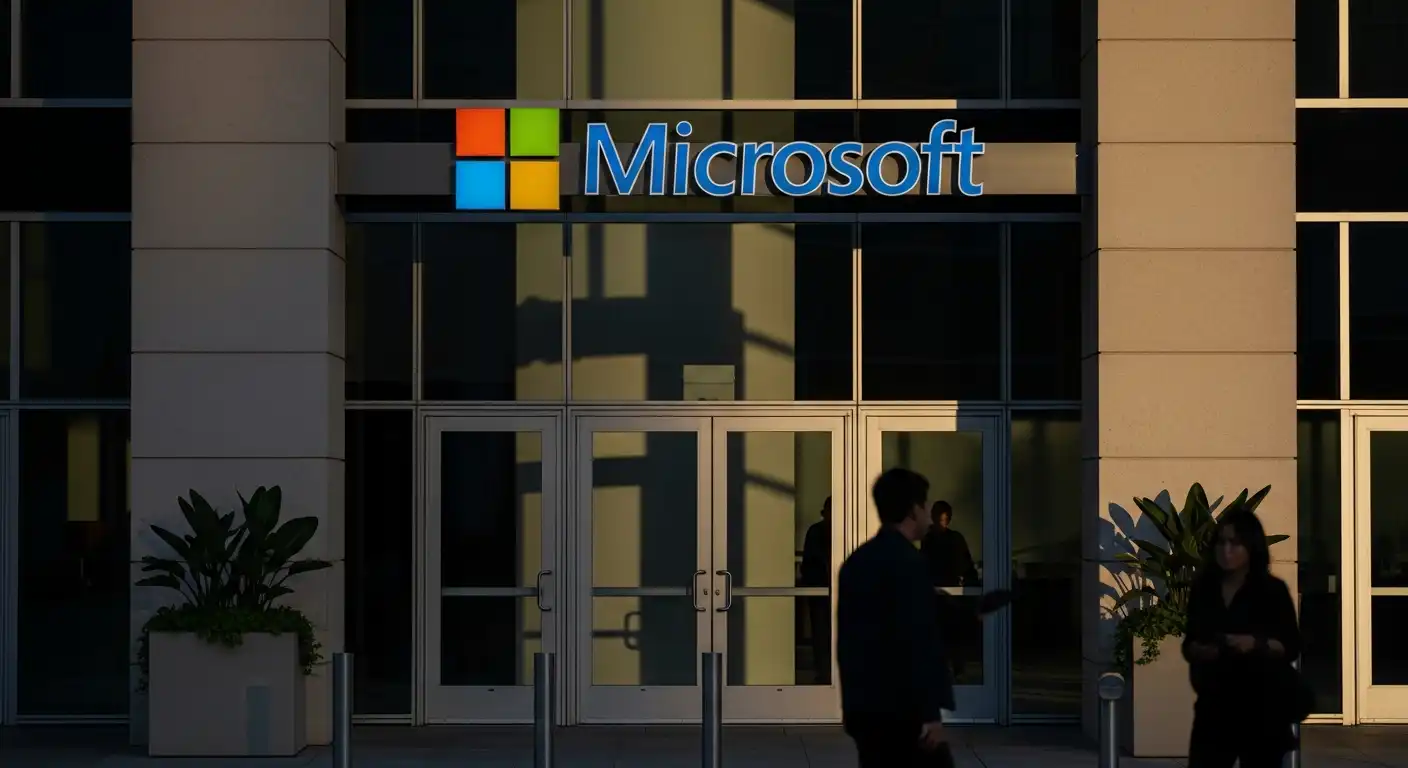
Microsoft now faces a significant legal hurdle as a group of shareholders has filed a lawsuit against the tech giant, claiming the company failed to provide adequate transparency regarding its massive artificial intelligence investments. The legal action alleges that leadership misled investors about the true scope and financial risks associated with the aggressive AI spending spree that has defined the company’s strategy over the last two years. As Microsoft pours billions into its partnership with OpenAI and its own Azure cloud infrastructure, institutional investors are demanding more accountability for how these capital expenditures impact long-term shareholder value.
The lawsuit focuses on the staggering $13 billion investment directed toward OpenAI and the subsequent multi-billion dollar costs required to scale up data centers for AI model training. Shareholders argue that the company painted a picture of rapid AI-driven profitability while downplaying the operational realities, such as skyrocketing energy demands and the high cost of GPU hardware. According to the court filing, these costs have significantly compressed profit margins in the cloud division, a detail the plaintiffs believe was not communicated clearly enough during recent quarterly earnings calls.
Investors are particularly concerned about the “cost-to-return” ratio of these AI initiatives. While the company reports that its AI services have contributed to a 10% increase in Azure revenue, the lawsuit claims the actual costs to support that growth have outpaced revenue gains by a wide margin. The plaintiffs allege that management’s decision to prioritize “AI-first” branding over traditional, stable business metrics has obscured the underlying financial health of the corporation. They argue that this strategy has placed an undue burden on the company’s cash reserves, which currently exceed $80 billion, and has masked the volatility hidden within the research and development budget.
Furthermore, the legal complaint highlights concerns over the lack of internal controls regarding the massive power and infrastructure commitments necessary for large-scale AI operations. Running advanced models requires specialized chips that can cost upwards of $30,000 per unit, and the expansion of data center capacity has pushed operational expenses up by nearly 25% year-over-year. The shareholders contend that if the company continues this trajectory without a clear, audited path to sustainable profit, it risks long-term devaluation of its stock price.
Leadership at Microsoft has yet to provide a detailed response to the specific allegations, though official spokespeople maintain that their AI strategy is a long-term investment designed to capture a dominant market share in the evolving software landscape. They point to the integration of generative AI tools across the Office suite as a primary driver of future growth. Despite this defense, the legal action adds a layer of uncertainty for the company as it prepares for the next fiscal year. The market has reacted with moderate caution, as the stock price recently experienced a 2% dip following the news of the lawsuit.
This case could serve as a bellwether for the entire tech sector. As every major firm, from Google to Meta, faces pressure to justify the immense capital required to fuel the AI gold rush, this lawsuit sets a precedent for how much transparency shareholders can legally demand. If the court rules in favor of the plaintiffs, it may force major tech companies to change how they report AI-related expenses and project future returns. Microsoft now finds itself in the crosshairs of a debate that will likely influence executive communication strategies for the foreseeable future.
For now, the legal process will move into the discovery phase, where the court will examine internal documents and emails related to the decision-making process for AI funding. This will give the public and shareholders a rare look behind the scenes at how the company prioritizes its massive budget. Whether the claims of mismanagement hold merit or simply represent the friction of a massive pivot in corporate strategy remains to be seen. In the meantime, analysts expect Microsoft to double down on transparency in its next investor briefing to restore confidence and mitigate the growing concerns among its largest shareholders.