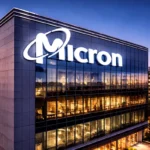

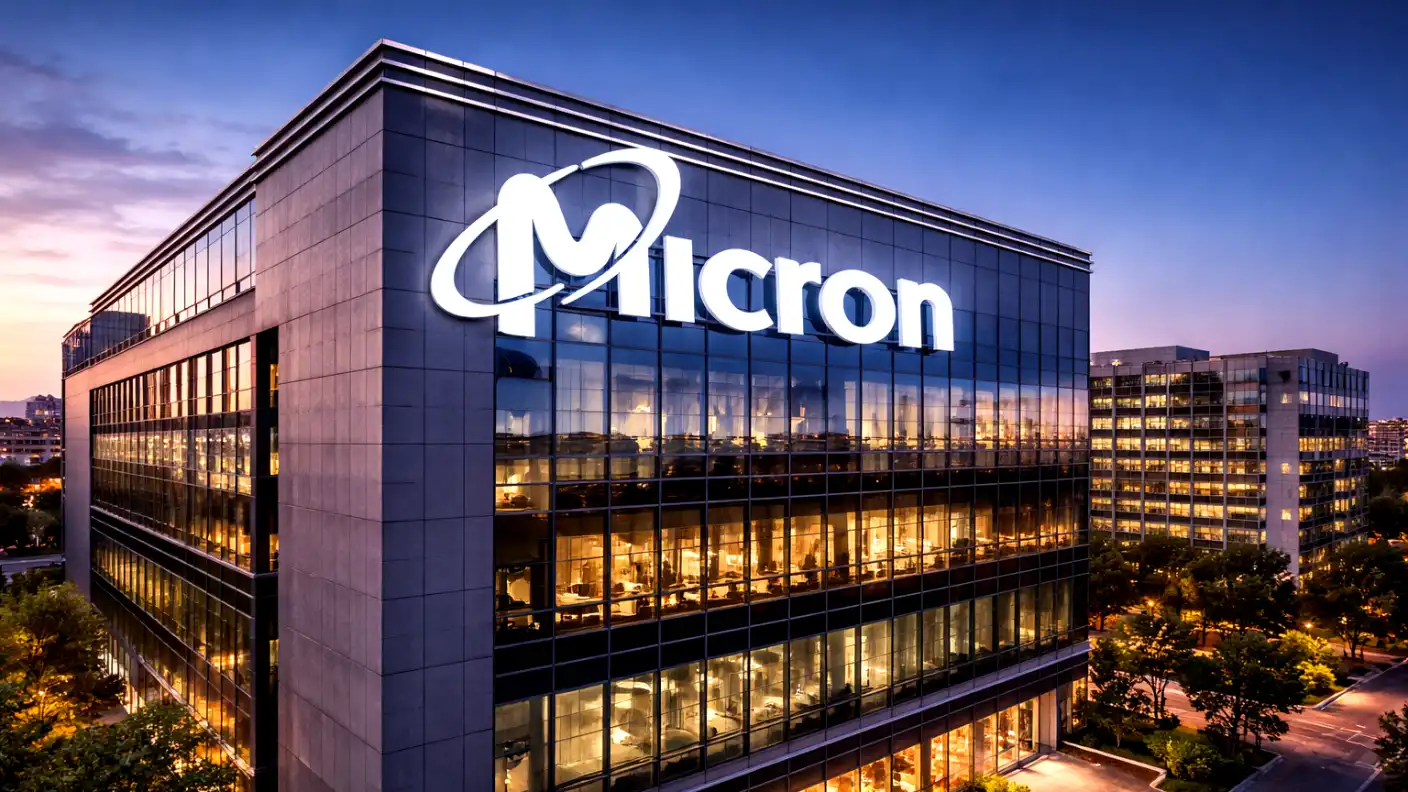
Micron Technology officially reached a historic financial milestone this week, becoming the latest technology titan to surpass a $1 trillion market valuation. The memory chip manufacturer’s ascent into this elite club highlights the sheer scale of the global hunger for high-performance hardware. While the tech industry previously focused on processor designers and software architects, the market has finally realized that the real bottleneck for artificial intelligence is the physical memory required to store and retrieve data at lightning speeds.
The company’s stock price has performed exceptionally well over the last fifteen months, with shares more than doubling in value since the end of March. Investors have aggressively poured capital into Micron, betting that the ongoing AI “supercycle” will keep demand for DRAM and NAND flash memory elevated well beyond the end of next year. This rally pushed the company’s total market worth into the trillions, a figure that seemed impossible for a memory manufacturer just a few years ago.
This growth is not a result of luck. Rather, it reflects a fundamental change in how data centers are built. As tech giants like Amazon, Google, and Meta continue to invest hundreds of billions of dollars into their infrastructure, they have discovered that their high-powered AI accelerators are useless without equally fast memory. Micron occupies a critical position in this supply chain. By mastering the production of high-bandwidth memory, the firm has positioned itself as an essential partner for the firms that build the modern AI ecosystem.
The scale of the company’s production ramp-up has been aggressive. Management has consistently worked to secure long-term deals with its largest customers to ensure that supply keeps pace with the explosive growth in AI workloads. During recent quarterly earnings calls, leadership pointed to a significant gap between global memory supply and the massive needs of the AI sector. This supply deficit has allowed the company to maintain high pricing power, leading to projected gross margins that analysts expect will climb above 75% for the 2026 fiscal year.
Retail investors have played a massive role in this rally, as Micron became a frequent topic of conversation across social media and trading forums throughout May. Many individual investors see Micron as a safer, more reliable “infrastructure play” compared to the high-volatility chip designers. While other companies fight over software patents and architecture designs, Micron focuses on the basic building blocks of computing, creating a product that is required regardless of which specific AI model eventually wins the software race.
This transition into the trillion-dollar club also underscores how South Korean and American memory makers are currently dominating the supply chain. While firms in South Korea, such as Samsung and SK Hynix, produce a vast majority of the world’s memory components, Micron holds a vital geographic advantage as a U.S.-based producer. This has attracted interest from domestic investors who want to balance their portfolios with companies that have a strong manufacturing footprint within the United States.
However, the rapid climb in share price has not come without warnings from professional analysts. Some market strategists worry about the “cyclical” nature of the memory chip business, which has historically suffered from extreme booms and busts. Even though the current demand appears unstoppable, any sudden slowdown in data center spending could lead to a rapid price correction. Despite these fears, the current sentiment remains overwhelmingly bullish, with most analysts noting that the integration of AI into everyday software products creates a level of demand that traditional memory cycles have never seen before.
The company is now moving forward with its ambitious expansion strategy, which includes building and upgrading facilities in Boise, Idaho, and other key locations. These projects involve investments of tens of billions of dollars, aimed at ensuring the company stays ahead of its rivals for the next decade. By aggressively expanding its footprint, the firm hopes to insulate itself from future supply chain shocks and maintain the massive scale needed to support the world’s largest hyperscalers.
As Micron settles into its position as a $1 trillion entity, all eyes are on how the company plans to sustain this growth in the face of intense global competition. The firm has successfully detached itself from the performance of the broader stock market, which has recently struggled due to rising energy prices and geopolitical tension. Instead, the “memory supercycle” has become its own gravitational force.
Whether the company can hit its long-term financial targets will depend on its ability to keep innovating in the high-bandwidth memory sector. If the firm can maintain its current technological lead and keep its manufacturing costs under control, it could continue to reward shareholders who bet on the company early. For now, the trillion-dollar milestone confirms that the era of AI memory has arrived, and Micron is firmly sitting at the head of the table.