
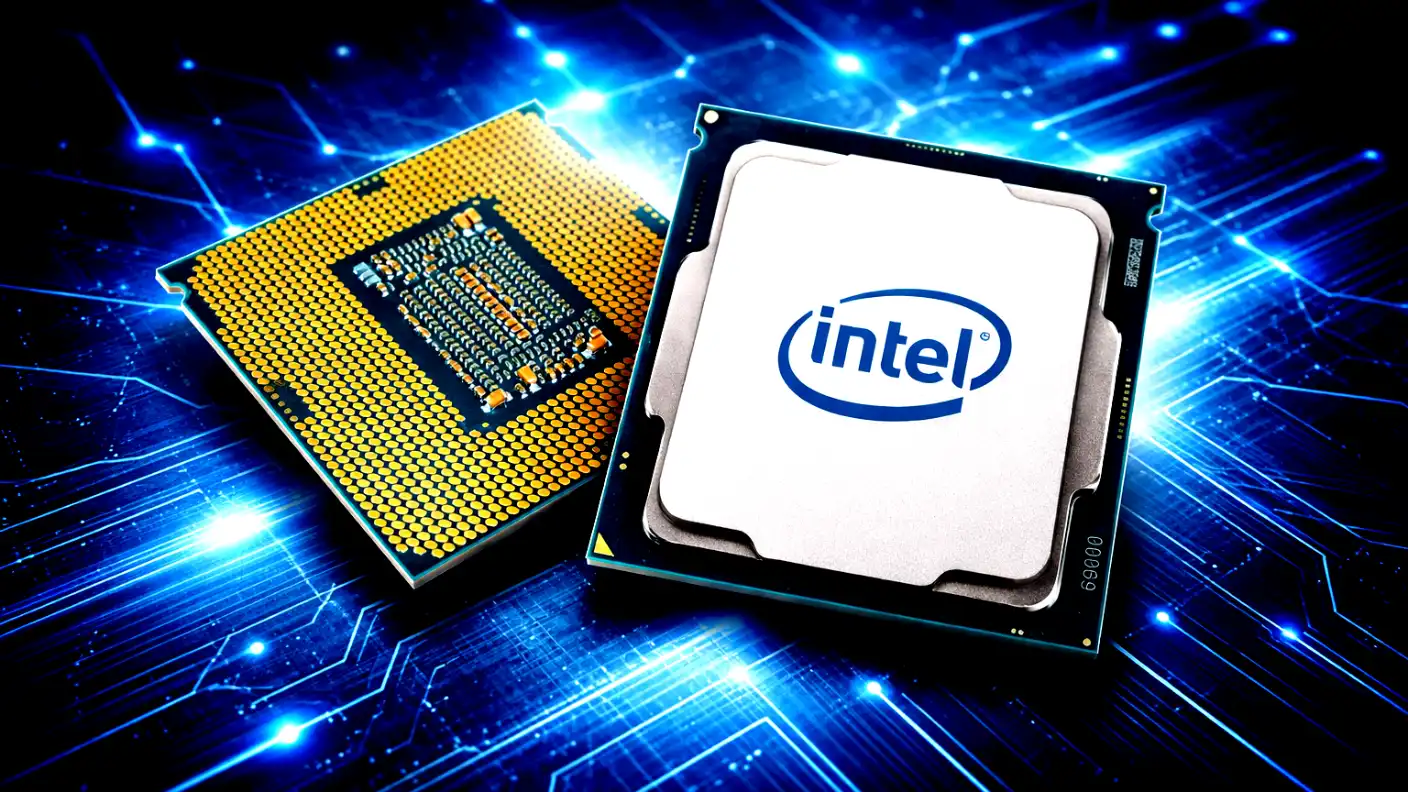
Intel is preparing a major shake-up for the PC enthusiast market with its upcoming Nova Lake-S processor lineup. Fresh leaks regarding the hardware ecosystem confirm that Intel will debut a brand-new socket, the LGA 1954, to accommodate these next-generation chips. This shift away from older standards signals that the company intends to introduce significant improvements in power delivery, pin density, and overall data bandwidth for its future desktop platforms.
The move to the LGA 1954 socket is a strategic necessity to support the advanced features expected in the Nova Lake architecture. Engineers designed this new interface to handle higher wattage requirements, which will likely be necessary to power the next level of high-performance cores. By increasing the pin count, Intel creates more room for electrical pathways, ensuring that these processors receive stable power even under extreme overclocking conditions. This design choice highlights a commitment to maintaining top-tier performance for power users and gamers who demand the absolute best from their hardware.
Early motherboard specifications suggest that these new boards will be packed with cutting-edge connectivity options. Manufacturers are prioritizing support for PCIe 6.0, which doubles the data throughput compared to current standards. This is a massive upgrade for users who rely on next-generation graphics cards and the latest ultra-fast NVMe storage drives. With these boards, system integrators will be able to build PCs that can move terabytes of data with nearly zero latency, effectively removing the bottlenecks that plague current high-end setups.
Memory compatibility is also receiving a significant boost. The Nova Lake-S platform will support high-speed DDR6 memory modules out of the box. While current systems typically rely on DDR5, the jump to the next generation will provide a 30% to 50% increase in memory bandwidth. This improvement will be a game-changer for professional tasks like 8K video editing, complex 3D rendering, and large-scale AI model local training. By integrating these new technologies, Intel hopes to reclaim its lead in the fiercely competitive desktop processor market.
The manufacturing transition is well underway, with major motherboard partners already prototyping their flagship boards. Industry analysts expect the new Z-series motherboards to offer at least 24 phases of power delivery, which is essential for managing the heat and energy demands of the upcoming flagship processors. The design also emphasizes improved thermal solutions, with massive heatsinks covering the voltage regulator modules to ensure the system remains cool even when pushed to 100% capacity during long gaming or productivity sessions.
Market timing remains a key focus for builders who are planning their next major upgrade. Intel has historically launched new platforms in the latter half of the year, and analysts anticipate that the Nova Lake-S ecosystem will hit retail shelves by early 2027. Despite the need to purchase a new motherboard, early adopters will likely find that the performance gains—both in raw processing speed and platform longevity—make the transition worthwhile.
Intel faces significant pressure to deliver a flawless launch, as competitors continue to aggressively expand their own market share. By building the LGA 1954 platform to be future-proof, the company is betting that enthusiasts will value the long-term potential of the new socket. If the performance benchmarks meet the internal targets currently circulating in the industry, this platform could easily become the foundation for a new era of high-performance desktop computing.