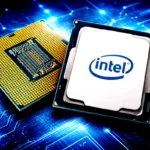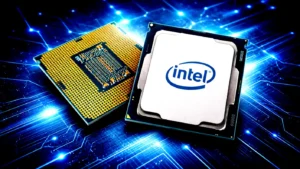

Intel has taken the first significant step toward its next major desktop computing era. Recent leaks provide our first real look at the upcoming Nova Lake processor platform, specifically showcasing the new LGA 1954 socket. As the industry looks beyond current architectures, this new design confirms that Intel is preparing a massive transition in how its desktop chips interact with motherboards. These images, which surfaced during early prototype testing, reveal a socket design that is larger and more complex than anything Intel has offered in the recent past.
The Nova Lake series aims to be a transformative update for the company, targeting a release window that aligns with the competitive pressures of 2026 and 2027. By introducing the LGA 1954 socket, Intel is clearly preparing for a new generation of high-speed memory and improved interconnect technologies. Early technical specs suggest that this platform will provide a 20% to 25% increase in total connectivity lanes, which allows users to run multiple high-speed NVMe drives and top-tier graphics cards without bottlenecking the system.
Designers at Intel seem to have prioritized physical stability and signal integrity with this new socket. The jump to 1,954 pins marks a substantial increase over existing platforms, reflecting the demand for more robust power delivery systems. High-end PC builds now require stable power to push processors to their limits, and this physical layout should handle the intense voltage demands of future AI-accelerated desktop tasks. For enthusiasts who spend $1,000 or more on high-end CPU upgrades, this new socket promises a solid foundation for years of performance.
The shift to this new socket also signals an end to the compatibility cycle for previous generations of motherboards. While some users may feel frustrated by the need to upgrade their entire system, Intel argues that this change is necessary to support the radical architectural improvements coming with Nova Lake. The integration of advanced cache designs and the next iteration of the chiplet-based tile architecture means that the processor and the motherboard must communicate with higher precision than ever before.
Market experts anticipate that Intel will lean heavily into AI-driven performance optimization with this launch. The Nova Lake processors are rumored to include a dedicated AI core, which could handle background tasks and local generative AI workloads without taxing the main performance threads. This is part of a broader industry shift, as competitors like AMD and Nvidia also push toward more AI-integrated local hardware. By moving these capabilities directly into the silicon, Intel hopes to reclaim the crown for the best all-around desktop computing experience.
Supply chain partners and motherboard manufacturers are already gearing up for the arrival of LGA 1954. Reports from Computex indicate that companies like ASUS, MSI, and Gigabyte are currently developing premium Z-series motherboards built specifically for this new socket. These boards are expected to feature advanced cooling solutions and enhanced circuitry to manage the heat generated by these high-performance chips. If the leaks hold true, enthusiasts can expect a wave of new motherboards to hit the market in the first half of 2027, just as the first Nova Lake chips begin to reach retail shelves.
Despite the current market volatility and the massive sell-offs seen in the broader tech sector, Intel continues to invest heavily in its consumer desktop roadmap. The company understands that the gaming and professional workstation markets remain the backbone of its reputation. By committing to such a major hardware overhaul with Nova Lake and the LGA 1954 socket, Intel is sending a clear message: it has no intention of ceding ground to its rivals.
For those planning their next major PC build, the move to Nova Lake represents the next “must-have” upgrade. While current processors still offer plenty of power for today’s games and productivity software, the leap in efficiency and I/O bandwidth expected with this new platform will be difficult to ignore. Whether you are a professional video editor, a competitive gamer, or an AI enthusiast, the transition to this new socket standard will likely define the high-end PC market for at least three to four years after its launch.