
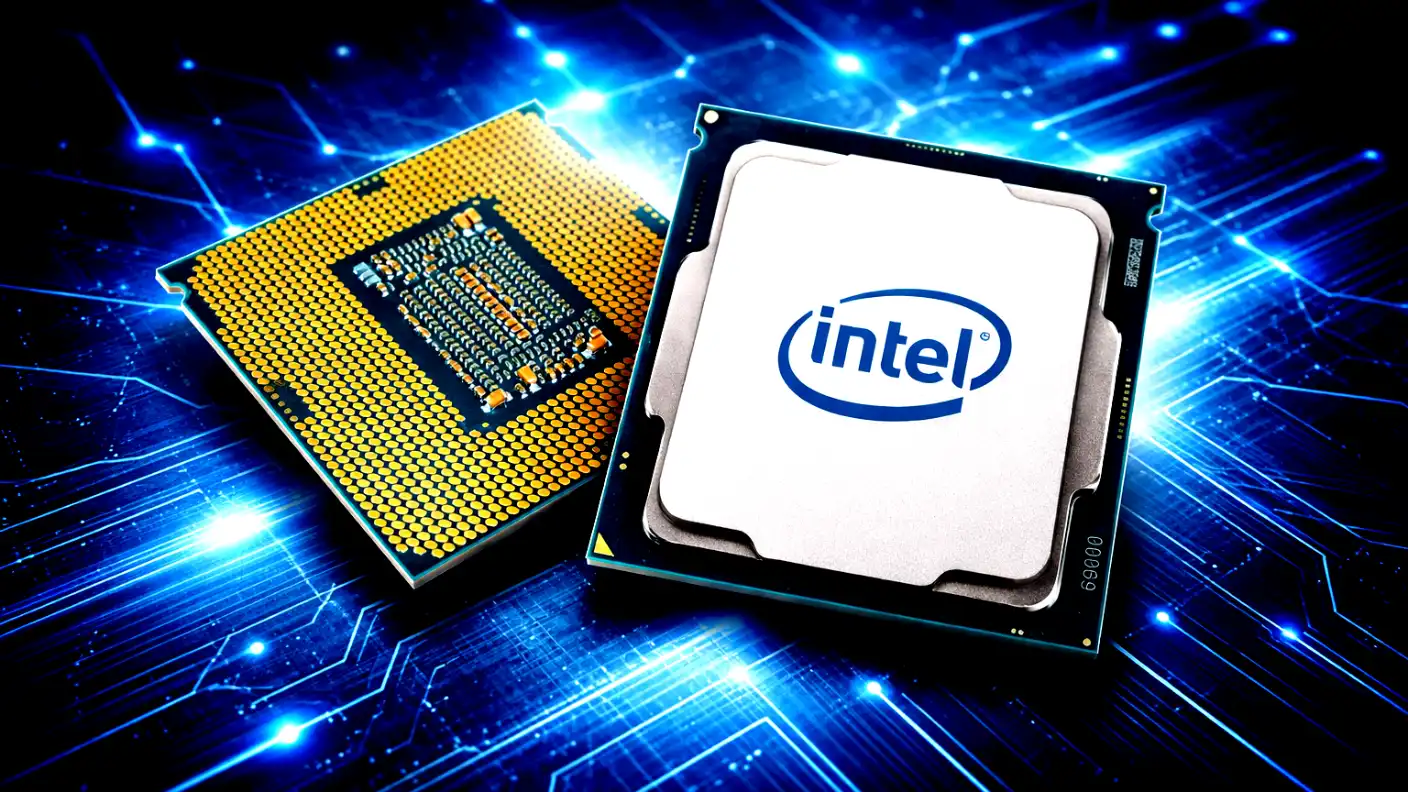
Intel and Google have grown their partnership to push forward the use of artificial intelligence-focused central processing units (CPUs) and to create custom infrastructure processors. This move comes as the changing ways we use AI are bringing back demand for traditional computer chips.
Companies are increasingly shifting from just training AI models to actually using them. This change is driving the need for generalist CPU chips that can handle demanding workloads. Under the new agreement, announced on Thursday, Alphabet’s Google unit will continue to use Intel’s Xeon processors. These processors support a wide range of tasks, like making AI predictions and general computing. Google will also start using Intel’s newest Xeon 6 chips.
Intel and Google will also work more closely to develop custom infrastructure processing units (IPUs). These IPUs can handle tasks usually done by the main CPU, leading to more efficient computing. “Scaling AI needs more than just specialized accelerators – it needs balanced systems. CPUs and IPUs are key to providing the performance, efficiency, and flexibility that today’s AI tasks require,” said Intel CEO Lip-Bu Tan.
The strong demand for agentic AI systems – which perform complex, multi-step operations beyond simple chatbots – has significantly increased the need for much more CPU processing power. This surge in CPU demand could help Intel strengthen its finances and gain new customers. This is important after the chip maker lost market share to competitors during the early days of the AI boom.
Intel also announced on Tuesday that it will join Elon Musk’s Terafab AI chip complex project with SpaceX and Tesla. This partnership aims to power the billionaire’s robotics and data center goals. Additionally, Intel plans to take full ownership of its manufacturing facility in Ireland, where it makes Xeon server processors, by buying back the share it had sold to Apollo Global Management.