
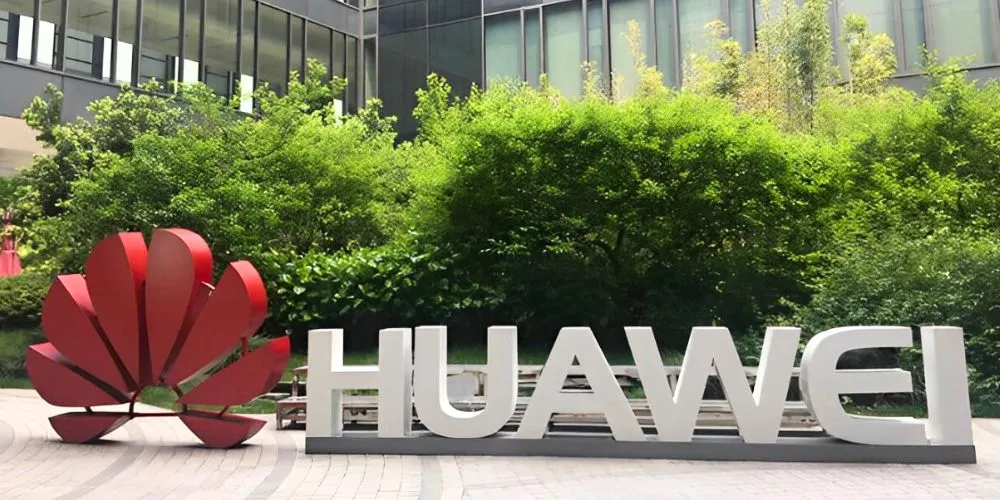
Huawei is ready to change the semiconductor game again. The Chinese technology giant just revealed a brand-new approach to processor architecture called “LogicFolding.” This design strategy aims to bypass the massive hurdles created by ongoing U.S. export restrictions. By rethinking how its Kirin chipsets are physically built, Huawei believes it can keep pace with top-tier international rivals even without access to the world’s most advanced lithography equipment.
The logic behind the new design focuses on efficiency and space. Traditional chip design relies on flat, static layers to house transistors. However, LogicFolding allows engineers to stack and fold logical operations in a way that minimizes the need for high-end manufacturing machinery. This method effectively tricks the silicon into performing as if it were made on a much more advanced process node. If the design proves successful, Huawei could reclaim a massive share of the high-end smartphone market without waiting for new foreign-made machinery to arrive.
This pivot is necessary because of the tightening grip of Washington’s trade policy. For years, the U.S. government blocked Chinese firms from purchasing extreme ultraviolet lithography machines, which are required for the smallest, most powerful chips. With American firms investing over $1 billion annually to maintain their lead in the global silicon race, Huawei had to get creative. Instead of waiting for access to banned tech, they started building their own tools from the ground up to support the new folded design.
The design team at Huawei describes LogicFolding as a breakthrough in “logical density.” By folding the circuit paths, the chip minimizes the distance electrons have to travel. This not only boosts the raw processing speed but also drastically cuts down on power waste. For a smartphone battery, this is a massive win. Even a 1.5% improvement in power efficiency can add vital minutes to a phone’s daily battery life, which is a key selling point for consumers in the competitive Chinese market.
Investors are watching this move with great interest. The semiconductor industry currently moves at a blistering pace, with companies racing to release new products every 12 to 18 months. If Huawei can successfully implement this folding architecture across its next-generation Kirin lineup, the company could stabilize its hardware output. This would be a major blow to foreign competitors who previously assumed that export bans would slowly choke off the company’s ability to innovate.
Of course, manufacturing these chips still comes with a high price. Moving to a new architectural style requires updated factory layouts and specialized testing equipment. Some industry analysts estimate that Huawei may need to invest over $2 billion over the next few years to fully integrate this folding technique into its mainstream production lines. However, when faced with the alternative of fading into irrelevance, this massive investment becomes a clear necessity for the company’s survival.
Huawei is also working to build a complete software ecosystem around the new chip design. Hardware is only half the battle; the operating system and apps must understand how to utilize the folded logic to see any performance gains. The company is currently working with thousands of software developers to optimize their applications for the new Kirin architecture. This ensures that the real-world experience for users is faster and smoother than what they experienced on the previous generation of phones.
The shift to LogicFolding also shows that the “chip war” between the East and West is fundamentally changing. It isn’t just about who can buy the best machines anymore; it is about who can write the smartest designs to make the most of limited resources. By moving to this layered, folded design, Huawei is betting that brainpower and clever physics can defeat the most expensive hardware on the market.
Ultimately, the goal is simple: total self-sufficiency. Huawei wants to build phones, tablets, and server chips that do not rely on a single component from an American factory. If the company succeeds, it will prove that trade restrictions can actually accelerate innovation by forcing a company to find its own path to success. While the rest of the world watches, Huawei is writing a new chapter in how we think about the future of silicon.
If the latest benchmarks from independent test labs are correct, the first smartphones featuring LogicFolding Kirin chips will begin shipping later this year. Consumers in China will be the first to test if this design actually delivers on the hype. If it does, expect to see other major players in the semiconductor space rushing to study—and potentially copy—this “folded” architecture. The game of cat and mouse between Washington and Beijing just entered its most technical and complex phase yet.