

Google just shook up the tech world at its annual I/O event. They announced a brand new line of laptops called the Googlebook. These are not the cheap, basic laptops you might see in a classroom. Instead, Google is building premium, high-performance machines. They designed these computers to handle heavy tasks and advanced artificial intelligence like Gemini. Google wants to change how we think about mobile and desktop work by putting everything in one place.
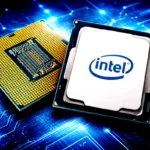
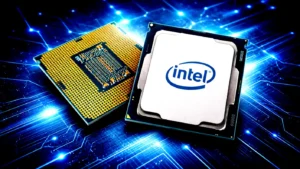
Intel is the powerhouse behind this new project. Shortly after the announcement, Intel posted on X to confirm that its chips will run these new machines. They described the Googlebook as a premium and powerful device built for intelligence. This partnership is a huge win for Intel. The company has worked hard to show it can still lead the market, even as more companies try to build their own chips.
The biggest draw for the Googlebook is its unique software. Most computers force you to choose one way of working, but this laptop merges three systems into one. It combines Android, the Google Play Store, and ChromeOS. For years, people have wanted a laptop that runs phone apps perfectly. Google says those days have arrived. You will not need to use slow tricks or emulators to run your favorite apps. They will run just as smoothly as they do on a high-end smartphone.
Artificial intelligence is the heart of this new machine. Google is leaning heavily into its Gemini AI. In the tech industry, companies are spending more than $1 billion every month just to stay ahead in the AI race. On the Googlebook, users will have a new tool called the Magic Pointer. If you shake your mouse or trackpad, Gemini mode turns on instantly. It gives you the power to find files, write summaries, or even create custom widgets on your screen without clicking through ten different menus.
Google is not working alone on the hardware side. They announced five major partners that will build these laptops for customers. Big names like Acer, ASUS, Dell, HP, and Lenovo are already on board. This means when the Googlebook launches, you will have plenty of choices. Some might be thin and light for travel, while others might be heavy-duty workstations for creators. Each brand will bring its own style to the new operating system.
Intel has a very good reason to jump on this project so aggressively. They are looking closely at Apple. Apple recently released the MacBook Neo, which caused a lot of trouble for traditional laptop makers. It was fast and efficient, making other laptops look old. To fight back, Intel is preparing its Core Series 3 chips, also known as the Wildcat Lake family. These chips are built to run AI tools locally without draining the battery in an hour.
The specific chip inside the Googlebook is still a bit of a secret. It might be a custom piece of silicon that Intel designed just for Google, or it could be a special version of the Wildcat Lake chip. Either way, Intel wants to create a two-front war against its rivals. By supporting both Windows and this new Google system, Intel hopes to surround Apple’s ecosystem with powerful x86 computers.
Interestingly, Intel is playing a very smart game by working with everyone. While they help Google fight Apple, they also signed a deal to produce chips for Apple’s next MacBook Neo. This shows how complex the chip business has become. Even if you are a competitor, you might still need to use the same factories. Intel is making sure it stays relevant no matter which company ends up selling the most laptops in the future.
Do not worry if you are a fan of the traditional Chromebook. Google mentioned that Chromebooks are not going away. They will still sell affordable, simple laptops for schools and basic office work. The Googlebook is a new, separate tier for people who need a lot of power. It is like the difference between a reliable family car and a high-performance sports car. Both get the job done, but one is built for people who want the absolute best experience.
We still have to wait a while before we can get our hands on one. Google and Intel are aiming for a launch in the Fall of 2026. This gives them time to make sure the software is perfect. When you are spending over $1 billion on research, you want to make sure the final product is flawless. The tech world is changing fast, and Google wants to make sure its new “Intelligence” laptops are ready for whatever comes next.
The price will be a major factor in whether people buy the Googlebook. Since these are high-end machines, they likely will not be cheap. We might see prices starting well above $1,000. In an economy where even a 1.5% change in price can affect sales, Google and Intel have to prove that features like the Magic Pointer are worth the extra money. They are betting that users want a machine that is as smart as their phone but as capable as a pro computer.
In the end, the Googlebook is a bold experiment. It tries to erase the line between mobile apps and desktop software. With Intel’s newest chips providing the muscle, Google might finally have a laptop that can take on the best in the business. Fall 2026 will be a huge moment for both companies as they try to convince the world that the future of computing is a mix of Android, Chrome, and AI.