
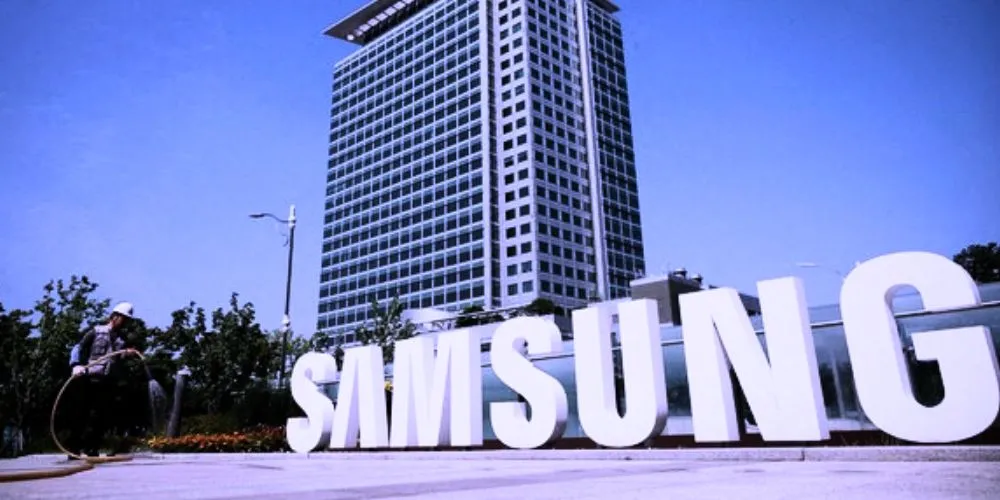
Foreign investors are walking away from Samsung Electronics at a historic and alarming pace. A massive wave of stock selling recently hit the South Korean financial market, and the country’s biggest technology company took the absolute hardest hit. Financial data released on Friday shows that overseas holdings in Samsung just fell to their lowest point in nearly twelve and a half years. Global fund managers, big banks, and foreign institutions are dumping their shares in droves, which signals a major shift in how the world views the current financial climate.
The official numbers from the government paint a very clear picture of this massive financial retreat. According to the South Korean Financial Supervisory Service, foreign investors now hold exactly 48.9 percent of all Samsung Electronics stock as of this past Friday. Market watchers have not seen foreign ownership drop this low since October 1, 2013, when the number sat at a nearly identical 48.87 percent. For a global company that relies heavily on international investment, crossing below that critical 50 percent mark represents a major psychological blow for local traders.
This mass exit by international money did not happen overnight. The downward trend actually started building momentum several months ago. Back on November 3, foreign investors felt highly confident in the tech manufacturer and controlled a healthy 52.63 percent of the company’s total shares. However, the financial mood began to sour rapidly as the new year started. By late February, the ownership level had already slipped down to 50.66 percent. Institutional investors grew nervous about global stability, so they started pulling their money out of Asian markets to find safer places for their cash.
A specific international crisis triggered the heaviest panic and accelerated the selloff. On February 27, investors watched closely as geopolitical tensions exploded in the Middle East. Just one day later, United States and Israeli forces launched military airstrikes on Iran. This sudden military conflict absolutely terrified global financial markets. When wars break out, big investment firms quickly sell off their foreign tech stocks to protect their clients from sudden financial crashes. Following the news of the airstrikes, the slow decline in Samsung ownership instantly turned into a massive rush for the exit doors.
The month of March saw absolutely brutal numbers for the South Korean stock exchange. During that single month alone, foreign investors sold a staggering net total of 15.5 trillion won worth of Samsung Electronics shares. In United States dollars, that equals roughly $10.3 billion pulled directly out of a single tech company in just a few short weeks. The panic easily spread far beyond just the smartphone and chip maker. Across the broader South Korean stock market, total net selling by frightened foreigners reached an incredible 30.3 trillion won during the exact same period.
Despite this massive wave of aggressive selling, Samsung’s actual stock price fought incredibly hard to stay stable. On Friday, shares of the technology giant fell by just 0.22 percent. The company stock ultimately closed the trading day at 179,700 won on the main Korean exchange. While no corporate board wants to see its stock drop, Samsung actually survived the difficult day much better than the rest of the country. The broader Korea Composite Stock Price Index, widely known as the KOSPI, dropped by a full 0.4 percent during the very same trading session.
Samsung Electronics essentially acts as the financial anchor for the entire South Korean economy. When international investors lose their appetite for Samsung, they usually pull their money out of the entire country. The recent data shows exactly how fragile global markets remain right now. Sudden war and geopolitical tension can instantly erase billions of dollars in international stock value. Until the global political situation calms down completely, foreign investors will likely keep their money close to home and wait for safer opportunities before returning to Seoul.