
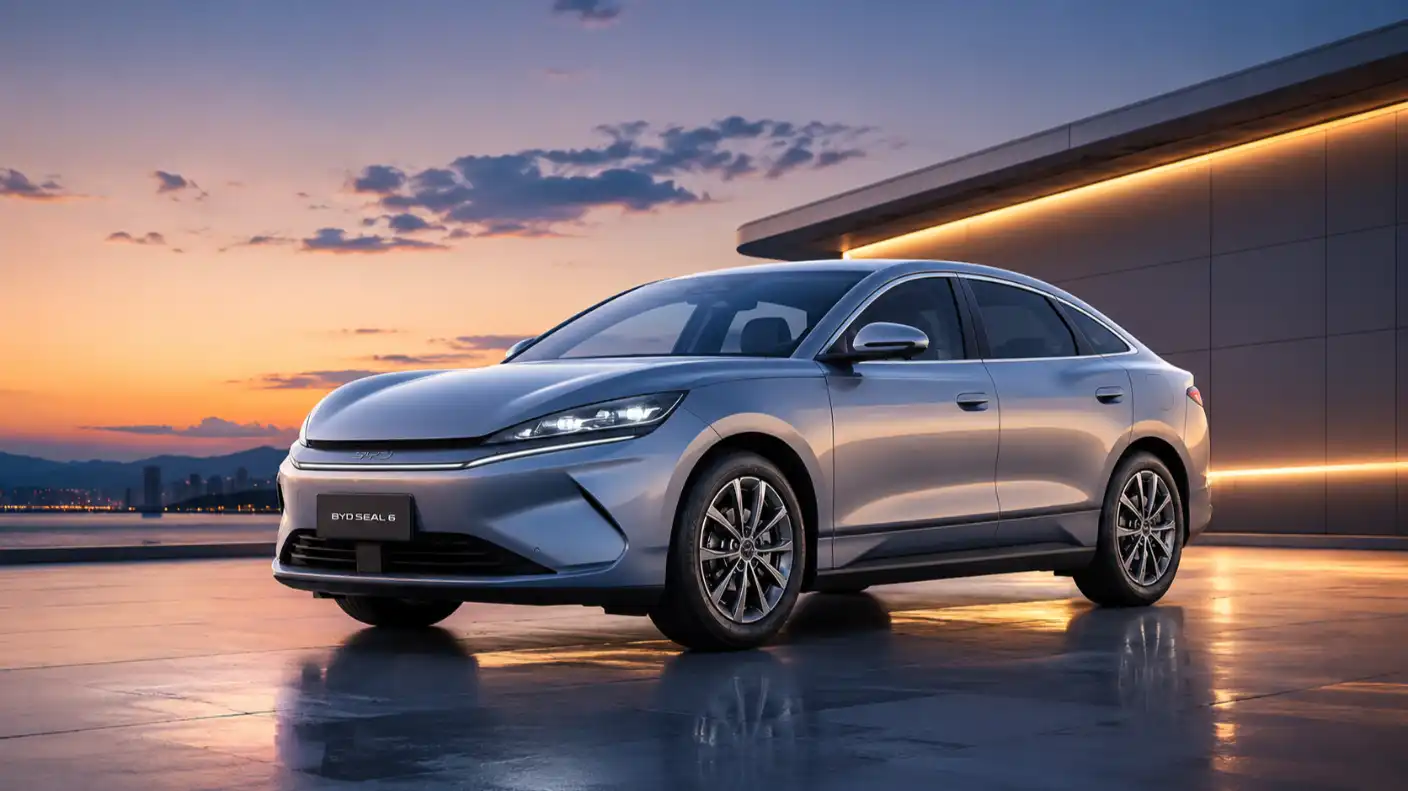
BYD, the Chinese electric vehicle giant, is setting its sights on the ultimate automotive prize. Chairman Wang Chuanfu recently declared that the company aims to become the world’s largest automaker within the next five years. This ambitious projection comes at a time when the global auto market is undergoing a massive transformation, shifting rapidly from internal combustion engines to electric powertrains. However, despite this bold vision, investors reacted with caution, as shares of the company slid on the news.
The company’s growth trajectory remains nothing short of incredible. Over the past few years, BYD has successfully captured significant market share, not just in China but across international markets as well. With a diverse lineup that ranges from affordable city cars to luxury SUVs, the firm has positioned itself to compete directly with legacy titans. Currently, the company produces millions of vehicles annually, and its push to scale production further is part of a strategy to dominate the transition to green energy transport.
Despite the Chairman’s confidence, the stock market’s negative reaction highlights the challenges that lie ahead. Following the announcement, BYD shares saw a decline of roughly 3.5% as traders digested the potential risks involved in such a rapid expansion. Market experts point to several hurdles, including intensifying competition, potential trade barriers in Western markets, and the high cost of maintaining a global supply chain that can support such massive volume. For investors, the promise of becoming the “biggest” automaker often comes with concerns about thin profit margins and the sheer operational complexity of scaling up.
BYD is no stranger to aggressive targets. The company has already invested well over $1 billion in its proprietary battery technology and semiconductor manufacturing, giving it an edge that many traditional automakers lack. By controlling its own supply chain, the firm can better manage costs and innovate faster than rivals who rely on external parts suppliers. This vertical integration serves as a cornerstone of their growth plan, allowing them to keep prices competitive even while expanding their footprint across Europe, Southeast Asia, and Latin America.
The global auto landscape is currently a battlefield of giants. Legacy carmakers are rushing to pivot their aging factories toward electric vehicle production, while newer entrants like BYD continue to leverage their head start in battery technology. If BYD does hit its target of becoming the world’s largest automaker by 2031, it will represent one of the fastest corporate ascents in modern history. The company currently focuses on maintaining a production capacity that can support its ambitious goals, targeting a double-digit percentage increase in vehicle deliveries year-over-year.
Geopolitical tensions add another layer of complexity to the strategy. Many nations are now introducing tariffs and regulations aimed at protecting domestic car industries from the surge of imported electric vehicles. Navigating these trade waters requires not just superior technology, but also skilled diplomacy. BYD is responding by setting up local production facilities in key regions, effectively turning itself into a global company rather than just a Chinese exporter. This localized approach could be the key to overcoming trade barriers and achieving the Chairman’s grand vision.
In the end, the competition for the top spot in the auto industry is not just about who sells the most units; it is about who can define the future of mobility. By prioritizing affordable EVs and advanced smart-car software, BYD is banking on the idea that the average consumer will prioritize value and performance above all else. Whether the stock market slump is just a temporary hiccup or a warning sign, the company remains focused on its long-term objective. The next five years will determine if BYD can truly rewrite the history books of the global automotive industry.