
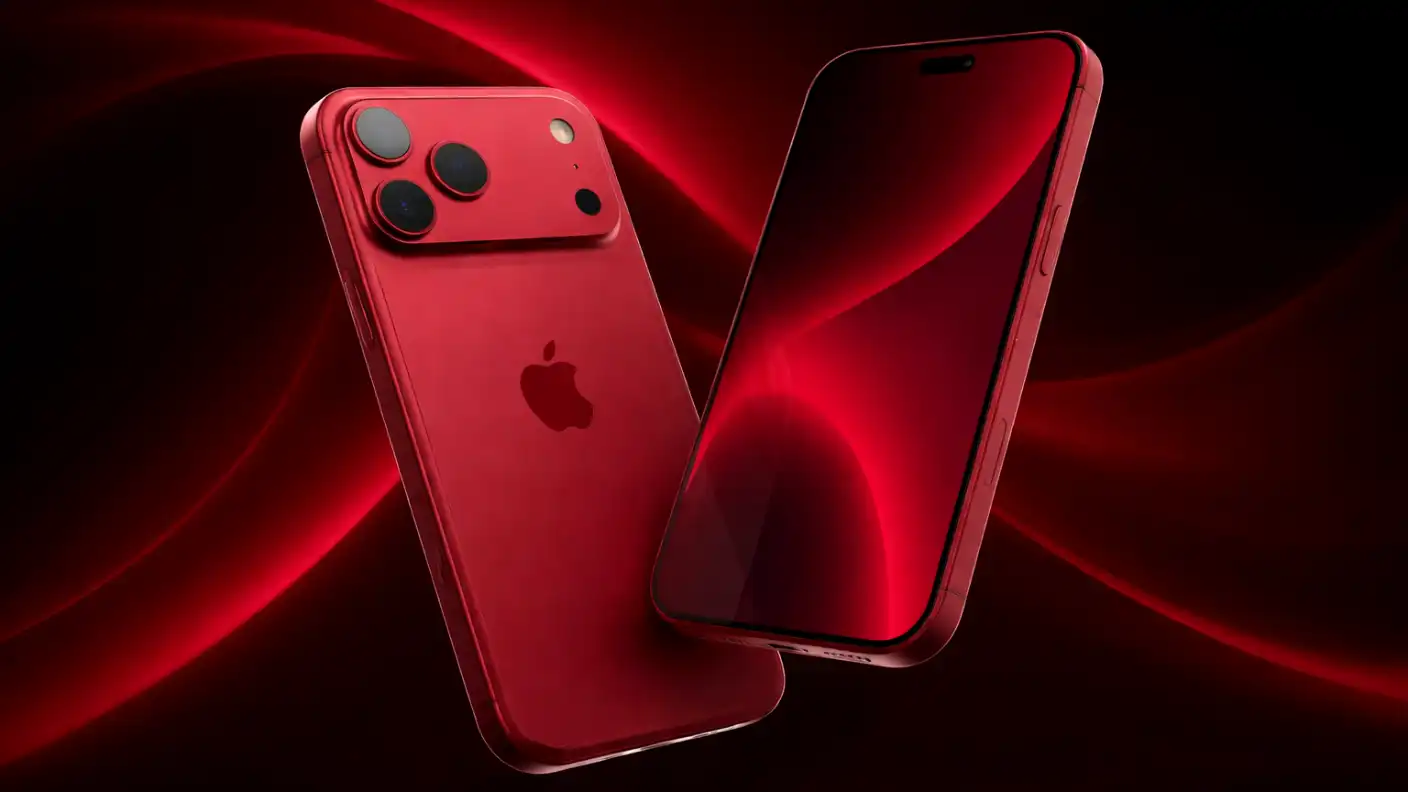
Apple plans to redefine the boundaries of mobile photography with its upcoming iPhone 18 Pro series. Recent industry leaks suggest the company is preparing to launch a “Pro Duo” lineup that prioritizes superior low-light performance and advanced user control. By integrating a significantly wider aperture for the telephoto lens, Apple aims to solve one of the most persistent issues for smartphone photographers: grainy, dark images taken from a distance.
The most notable upgrade involves the telephoto camera hardware. Engineers are reportedly testing a lens system with a wider aperture, which will allow 40% more light to hit the sensor compared to previous generations. This change is vital for indoor photography and evening settings where light is scarce. In professional camera terms, this aperture boost acts like a massive upgrade for “reach,” ensuring that zoomed-in shots remain sharp and vibrant without the need for excessive digital processing or noise reduction that often ruins fine details.
Beyond the hardware changes, Apple is introducing a revolutionary “on-the-fly” depth and focus control system. This software-driven feature will empower users to adjust the bokeh effect and focal point of a shot long after they press the shutter button. By leveraging the power of the next-generation A-series chip, the iPhone 18 Pro will map the scene in real-time with 99% accuracy. This allows creators to pivot between cinematic portrait shots and crisp landscape photography without taking a second picture.
Apple is clearly positioning these devices for the professional creative market. While the average consumer may only use basic point-and-shoot features, the professional-grade tools embedded in the iOS camera app will bridge the gap between heavy DSLR gear and portable smartphones. Sources suggest that this shift could attract a new segment of users, potentially driving sales growth of 10% to 15% in the high-end mobile sector. For professional photographers who carry their phones everywhere, this flexibility is a massive selling point.
The integration of these features requires significant internal redesign. To accommodate the wider aperture lenses, Apple is reportedly increasing the size of the camera module by 0.5 millimeters. While this might seem small, it allows for larger sensor arrays that capture more visual data. The company is also doubling down on its computational photography pipeline, which processes more than 5 trillion operations per second to ensure that the images look natural, not artificial.
Market experts believe that this focus on “depth control” is a direct response to the rising popularity of professional social media content creation. As creators demand more cinematic control from their phones, Apple’s ability to manipulate focus and light instantly provides a major competitive advantage. The ability to simulate professional-grade optics within a pocket-sized device could cement the iPhone 18 Pro as the most capable camera ever released in the mobile market.
As we look toward the official launch, excitement continues to build around the potential for these new photographic capabilities. Whether you are an amateur capturing family memories or a professional videographer shooting content for a multi-million dollar brand, the iPhone 18 Pro appears set to deliver the most versatile camera experience in the company’s history. Apple remains committed to setting the bar for mobile imagery, and these hardware and software breakthroughs show exactly how they plan to stay ahead of the curve.