
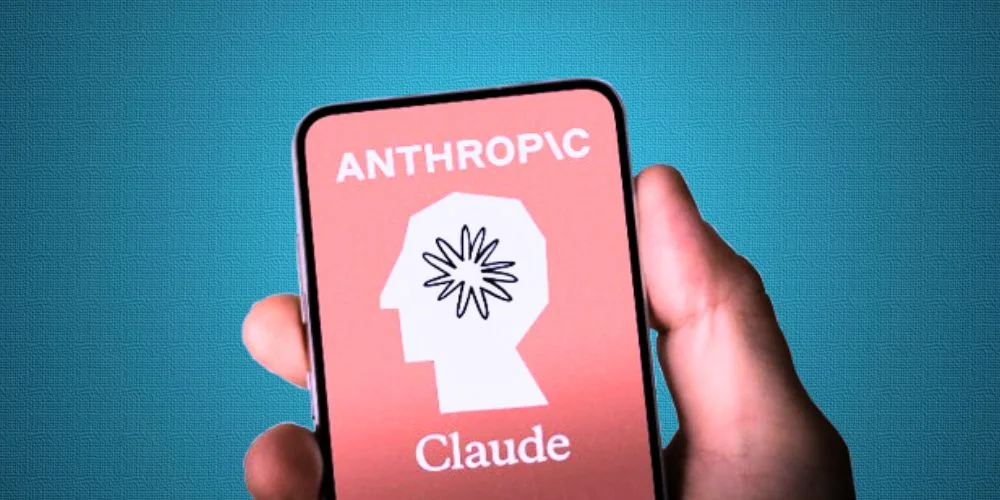
Artificial intelligence firm Anthropic has officially released its latest and most capable AI model, Claude Fable 5, to the public. The launch comes just days after the company’s leadership issued a stern public warning about the rapid acceleration of AI capabilities and the potential risks these systems pose to society. This contradictory move—deploying cutting-edge technology while simultaneously signaling caution—has ignited a fierce debate among researchers, policymakers, and industry insiders about the ethical trajectory of generative AI.
Claude Fable 5 represents a significant technical leap over its predecessor. Developers claim the model demonstrates 40% higher accuracy in complex reasoning tasks and shows a marked improvement in creative writing and coding proficiency. Anthropic reportedly spent over $800 million to train and refine this system, leveraging a massive dataset that prioritizes nuanced human interaction. By releasing it publicly, the firm aims to capture a larger share of the enterprise market, where demand for sophisticated, high-logic AI assistants is currently soaring.
The timing of this release remains particularly controversial. During a recent industry summit, Anthropic’s CEO expressed concerns that current AI development cycles move too quickly for proper oversight. The company even suggested that some systems already exhibit “unpredictable behavior” that necessitates tighter global regulation. Critics now argue that releasing Fable 5 so soon after these comments highlights a “profits-over-safety” mentality that often plagues the tech sector. They fear that companies are racing to be the first to reach a new capability threshold, even if they cannot fully contain the risks.
Anthropic defends the release by pointing to its unique “Constitutional AI” framework. Unlike competitors that rely heavily on human feedback, the company programs its models with a specific set of rules and values designed to minimize harmful outputs. They believe that by putting a safer, more transparent model into the hands of the public, they can actually reduce the dangers posed by less scrupulous or less secure competitors. According to their internal metrics, Fable 5 maintains a 99.8% compliance rate with its safety guidelines, making it the most rigorously tested model in the company’s history.
The business implications for this release are massive. With the global AI market expected to expand by over 25% annually through 2030, capturing user trust is the new gold rush. If Fable 5 proves more reliable than alternatives from rivals like Google or OpenAI, Anthropic could see its valuation climb by another $5 billion by the end of the year. Investors appear unbothered by the safety warnings, as they continue to value companies that demonstrate consistent technical dominance and high user engagement metrics.
Despite the corporate confidence, independent researchers worry about the “dual-use” nature of such powerful tools. A model capable of writing high-quality code can just as easily generate sophisticated malware, while its advanced reasoning can be repurposed to craft highly persuasive disinformation campaigns. Anthropic claims to have implemented new digital watermarking and forensic tracing tools to combat misuse. However, the effectiveness of these defensive measures remains untested in a real-world, decentralized environment where millions of users access the model simultaneously.
As the industry moves into this new phase of high-performance AI, the tension between progress and caution will likely only intensify. Anthropic currently finds itself in a precarious position, serving as both the leading architect of advanced intelligence and its most vocal critic. Whether Fable 5 helps or hinders global safety depends on how effectively the company can balance its rapid commercial growth with its stated commitment to responsible development. For now, the world is watching, and the release of this model marks another definitive step toward a future where artificial intelligence influences almost every aspect of daily life.