
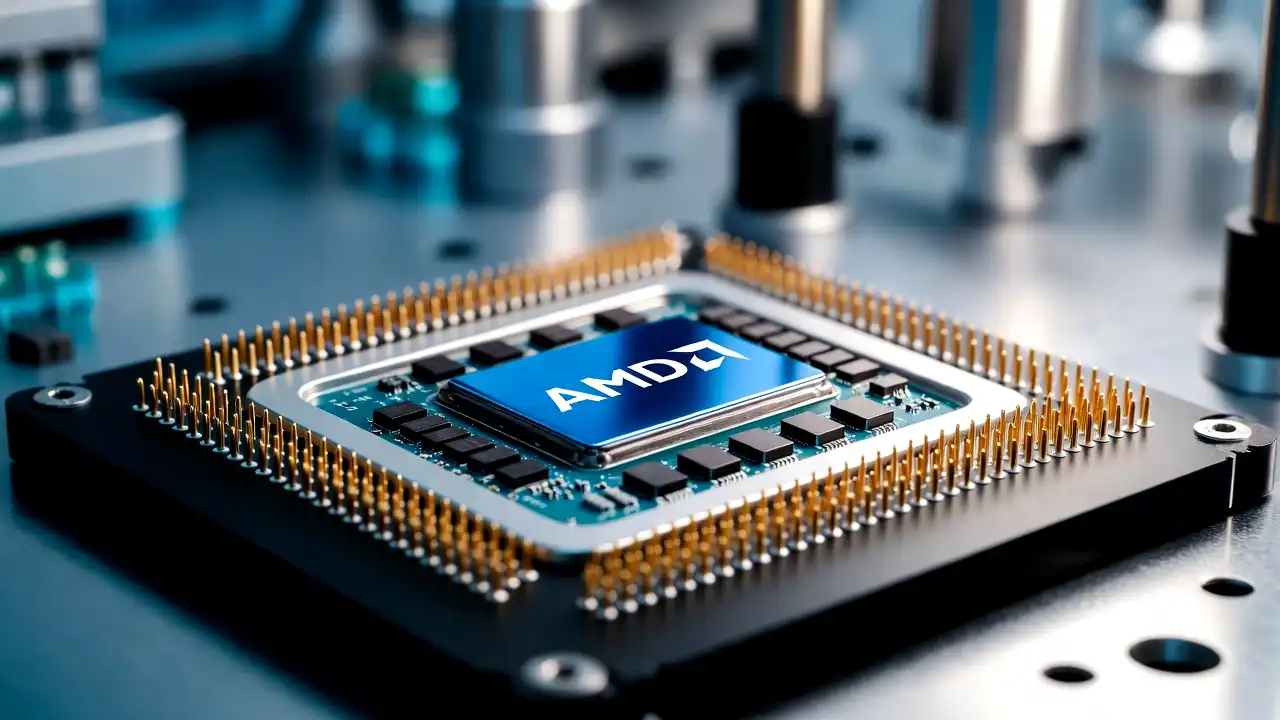
AMD is fundamentally changing how computers handle data, signaling a massive leap forward for both consumer gaming and professional artificial intelligence workloads. By moving toward advanced Unified Memory Architectures (UMA), the chipmaker plans to eliminate the traditional bottlenecks that slow down high-performance computing. This shift allows the CPU and GPU to share a single, massive pool of memory, drastically reducing the time it takes for data to travel between processors and increasing overall system efficiency by as much as 40% in specialized tasks.
The transition to UMA is not just a technical tweak; it represents a complete change in how engineers design product roadmaps. For years, the physical separation between system RAM and video memory created a “traffic jam” in data flow. AMD’s new approach stitches these memory spaces together, allowing the GPU to access system memory with the same speed and ease as its own dedicated VRAM. This seamless integration provides a major boost for AI-driven applications, which often require loading massive datasets into memory instantly.
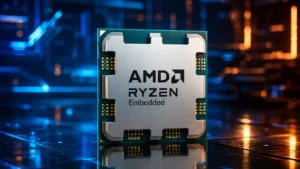
Product designers at AMD have begun integrating this technology into their upcoming processor lineups. By unifying the memory space, the company can pack more performance into smaller footprints, which is critical for the next generation of laptops and edge-computing devices. Early benchmarks suggest that these unified systems can handle complex graphics rendering and real-time AI inference significantly better than existing architectures that rely on traditional discrete setups. This could lead to a new class of ultra-powerful, thin-and-light workstations by 2027.
The impact on the artificial intelligence market will likely be the most significant. As AI models grow to require hundreds of gigabytes of memory for real-time processing, the traditional way of moving data between a CPU and a separate graphics card becomes a major obstacle. AMD’s unified approach solves this by treating the entire memory bank as a single resource. This optimization allows developers to train and run large-scale models much faster, potentially saving companies millions of dollars in infrastructure costs and energy consumption over the next five years.
Gamers also stand to benefit from these advancements. With modern games requiring more high-resolution textures and complex geometry than ever before, the old memory limits often caused stuttering or performance dips. AMD’s UMA will allow game developers to create much larger, more detailed virtual worlds without worrying about the performance penalties of swapping data between different storage pools. This change could effectively push the average frame rate in high-end titles up by 15% or more, depending on the game engine and optimization.
Looking further ahead, AMD is positioning these architectural changes to dominate the cloud and data center markets. By enabling better memory management, the company is making it easier for cloud providers to offer “AI-as-a-Service” without needing to invest in prohibitively expensive, proprietary hardware. The company aims to capture a larger share of the $200 billion global data center market by offering more flexible, power-efficient chips that perform consistently across a variety of demanding workloads.
This shift marks a bold move for the company as it fights for supremacy against competitors. By focusing on how processors and memory interact at the foundational level, AMD is choosing to innovate beyond just increasing raw clock speeds. As these new unified memory designs hit the market, they will likely set the standard for how computers are built for the next decade. For anyone watching the tech industry, it is clear that the future of computing is not just about having a faster processor, but about having a smarter way to move data.