
When one tech company stumbles, another usually sprints ahead to take its place. Right now, AMD is having a spectacular run with its computer processors. The company just scooped up valuable manufacturing space at the world’s biggest chip factory. Qualcomm and MediaTek had to abandon their spots on the assembly lines because people stopped buying so many smartphones.
The smartphone industry currently sits in a deep freeze. Phone makers simply cannot afford the parts they need to build their devices. A massive global shortage of standard computer memory, known as DRAM, created this crisis. Factory owners who build these memory chips changed their priorities entirely over the last year.
Instead of making standard memory for cheap phones, memory factories now focus on High Bandwidth Memory. The artificial intelligence boom requires this specialized, expensive memory to run giant data centers. AI companies pay huge premiums for High Bandwidth Memory, so the factories dedicate all their equipment to those highly profitable orders. Regular smartphone memory quickly became scarce and incredibly expensive.
These extreme price hikes hit the cheaper smartphone market the hardest. Companies that sell budget phones operate on very tight margins. Today, standard DRAM memory chips consume a full 35 percent of the total parts budget for a basic smartphone. The phone’s storage space, known as NAND flash memory, eats up another 19 percent of the budget.
When you add those figures together, memory parts alone account for an incredible 54 percent of the total cost to build a budget smartphone. Phone companies cannot suddenly double the price of an entry-level phone to cover these massive costs. Customers simply will not buy them. As a result, phone brands drastically cut their device production plans for the upcoming year.
Because phone brands stopped building new handsets, they also stopped buying the main processor chips that run them—Qualcomm and MediaTek design almost all the processors for these budget and mid-range mobile phones. Facing a sudden collapse in device orders, both companies had to act quickly to stop the bleeding. They called Taiwan Semiconductor Manufacturing Company (TSMC) and canceled their factory time.
Qualcomm and MediaTek specifically slashed their orders for chips built on the 4-nanometer and 5-nanometer manufacturing lines. These cancellations represent a massive volume of silicon. The two companies canceled between 20,000 and 30,000 manufacturing wafers. A single wafer holds hundreds of individual chips, meaning this cancellation wiped out between 15 million and 20 million mobile processors.
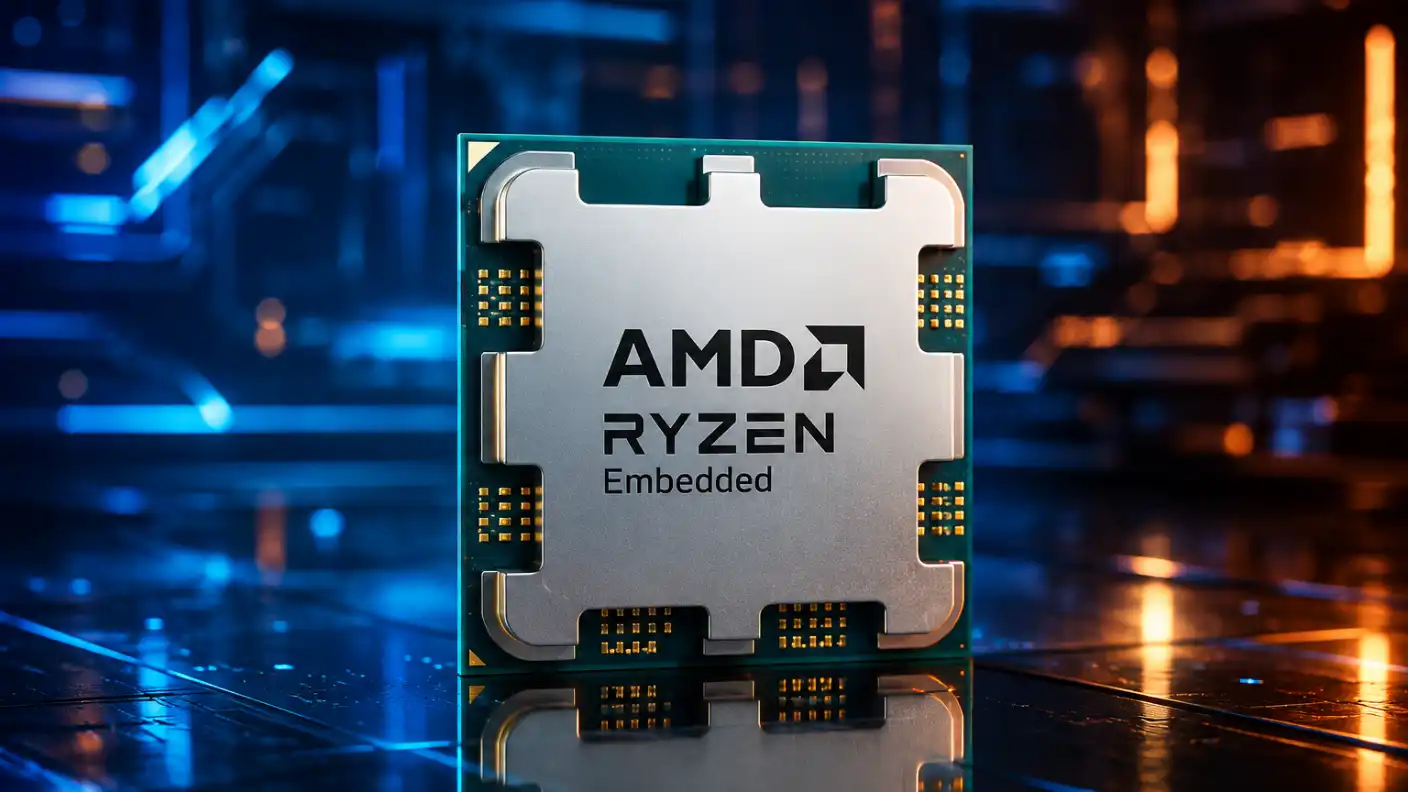
An empty factory line costs money, but TSMC did not have to wait long for a new customer. AMD rushed right in and grabbed that vacant manufacturing space. The computer processor giant saw a perfect opportunity to crank up production on its own highly successful products. AMD booked the 4-nanometer and 5-nanometer lines aggressively to meet the rising demand for its computer chips.
AMD loves the 5-nanometer manufacturing process. TSMC has run these specific lines for years, meaning engineers have completely perfected the process. The factory makes almost zero mistakes when baking these older silicon wafers. AMD enjoys crazy-high yields from these machines, meaning nearly 100 percent of the chips they print work flawlessly and go straight into boxes for sale.
AMD Chief Executive Officer Lisa Su confirmed this sudden shift in manufacturing during a recent earnings call. She told investors that the company experienced massive growth during the first quarter of the year. Su explained that selling far more physical chips, rather than just raising prices, drove this recent financial success.
Su specifically named the processors that AMD is pushing out the door. She noted that AMD continues to ship plenty of its high-end Turin processors. However, she emphasized that the company currently moves massive volumes of its older Genoa processors. These older chips use the Zen core architecture, which fits perfectly onto the 4-nanometer and 5-nanometer lines AMD just took over.
The entire semiconductor industry operates like a giant row of dominoes. A massive boom in artificial intelligence ate up the world’s memory supply. Expensive memory broke the budget smartphone market. Broken smartphone sales forced mobile chip designers to abandon their factory lines. Finally, AMD walked into that empty factory and turned a smartphone crisis into pure profit.