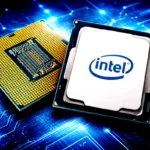

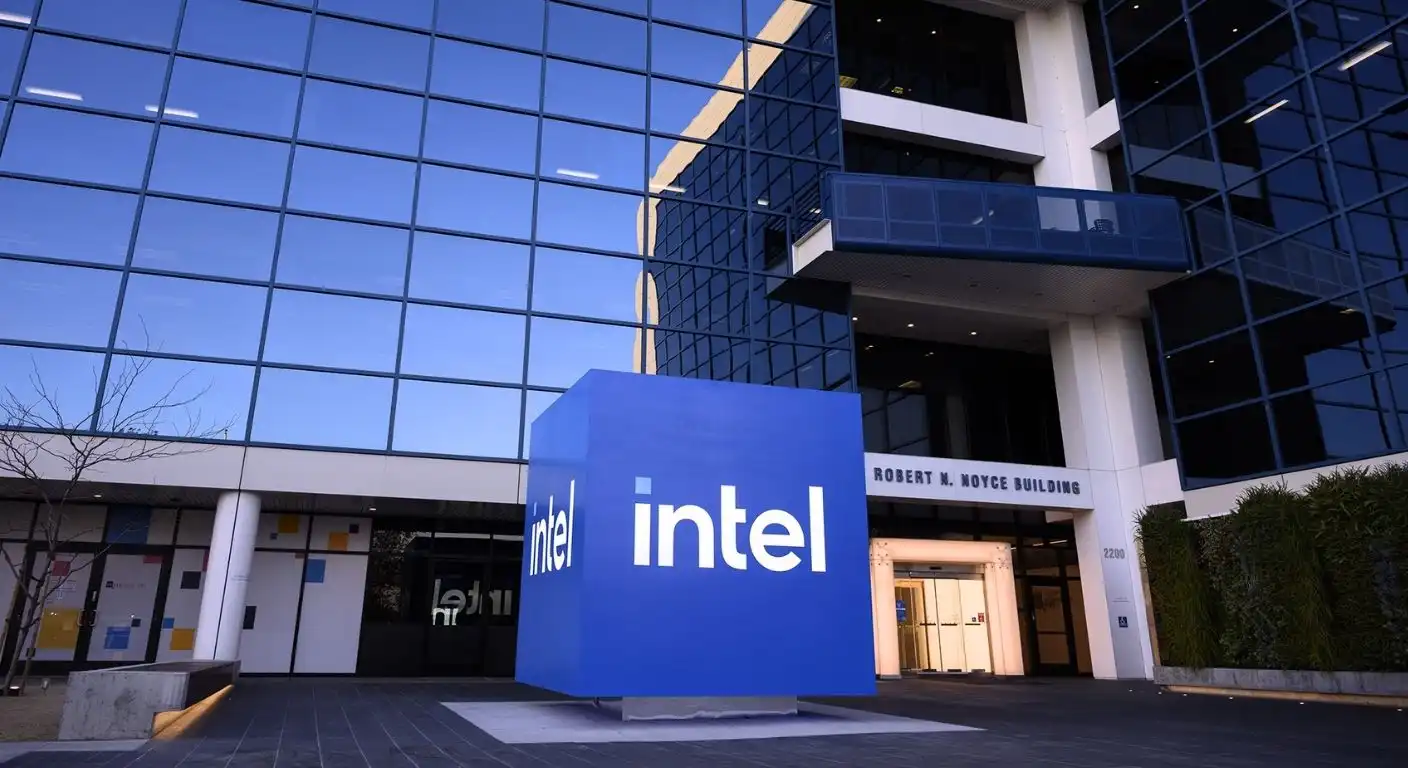
Intel is doubling down on its domestic production capabilities by officially breaking ground on a cutting-edge manufacturing facility in Santa Clara. This move marks a historic return to the company’s roots in the heart of Silicon Valley. By investing heavily in a new site within its own backyard, the semiconductor titan aims to accelerate the development of next-generation chips and regain its technological lead in the global market.
The construction of this facility represents a massive financial commitment, with total project costs expected to exceed $8 billion. Intel plans to outfit the site with the latest extreme ultraviolet lithography machines, which are essential for producing chips at the 1.4-nanometer node. Industry experts believe that this investment will create more than 2,500 permanent high-tech jobs while supporting an additional 5,000 indirect roles in the local construction and service sectors.
Beyond just adding capacity, the Santa Clara plant will serve as a hub for Intel’s “foundry” business. Intel intends to open its doors to external companies, allowing them to utilize its sophisticated manufacturing processes to build their own chip designs. This strategy directly challenges the current market dominance of overseas manufacturers. By offering an alternative in the United States, Intel hopes to appeal to major tech firms looking to diversify their supply chains and reduce reliance on international partners.
The facility’s design prioritizes sustainability and efficiency, which Intel claims will reduce water usage by 20% compared to its older fabrication sites. Furthermore, the company expects the plant to be powered by 100% renewable energy within its first two years of operation. These environmental goals align with broader industry efforts to make chip manufacturing more responsible as the global demand for energy-intensive AI hardware continues to climb.
This development arrives at a critical turning point for the U.S. technology sector. For years, the industry migrated manufacturing operations to lower-cost regions, leaving domestic hubs struggling to keep pace with rapid innovation cycles. Intel is now betting that keeping research, development, and high-volume production in one location will provide the agility needed to compete. With engineers and manufacturing teams working just minutes away from each other, the company expects to cut the time-to-market for new chip architectures by nearly 15%.
Local leaders and economic analysts are praising the move as a major win for the region. The project provides a significant boost to the local economy and reinforces Santa Clara’s status as the global epicenter of innovation. As ground is broken, Intel is already working with local universities to establish specialized training programs. These partnerships aim to build a pipeline of talent that can operate the complex, automated systems that define modern semiconductor fabrication.
While the facility will not reach full operational capacity for several years, its progress will be a bellwether for the future of American manufacturing. If Intel succeeds in proving that advanced chips can be mass-produced profitably in Silicon Valley, it may set a new standard for the industry. For now, the focus remains on meeting strict construction timelines and ensuring that the facility integrates seamlessly into the surrounding tech ecosystem. Investors and competitors alike will watch this project closely as it takes shape over the coming months.