
Modern computing demands are relentless, with the latest operating systems usually requiring hefty hardware upgrades just to boot up. However, one determined tech enthusiast recently flipped the script on Microsoft’s strict system requirements. In a surprising display of technical ingenuity, a user successfully forced Windows 11 to run on a machine built from components dating back nearly two decades, including the ancient DDR1 RAM standard.
The core of this vintage experiment centered on a classic Intel Core 2 Quad Q6600 processor. Released in 2007, this chip was once the gold standard for high-performance computing, but it is a lifetime away from the modern silicon found in today’s gaming PCs. To push the boundaries even further, the enthusiast paired this aging CPU with an ATI Radeon HD 4650 graphics card equipped with the long-obsolete AGP interface. The entire build sat on a motherboard that relied on DDR1 memory, a type of RAM that has not seen widespread use in over 15 years.
Microsoft officially requires a TPM 2.0 security chip and a relatively modern processor to run Windows 11. By default, the OS simply refuses to install on hardware this old, citing security and performance concerns. To bypass these limitations, the builder utilized custom scripts and modified installation media. This workaround effectively tricked the Windows 11 installer into thinking the hardware met the requirements, proving that the operating system’s strict “official” list is more of a software gate than a genuine technical necessity.
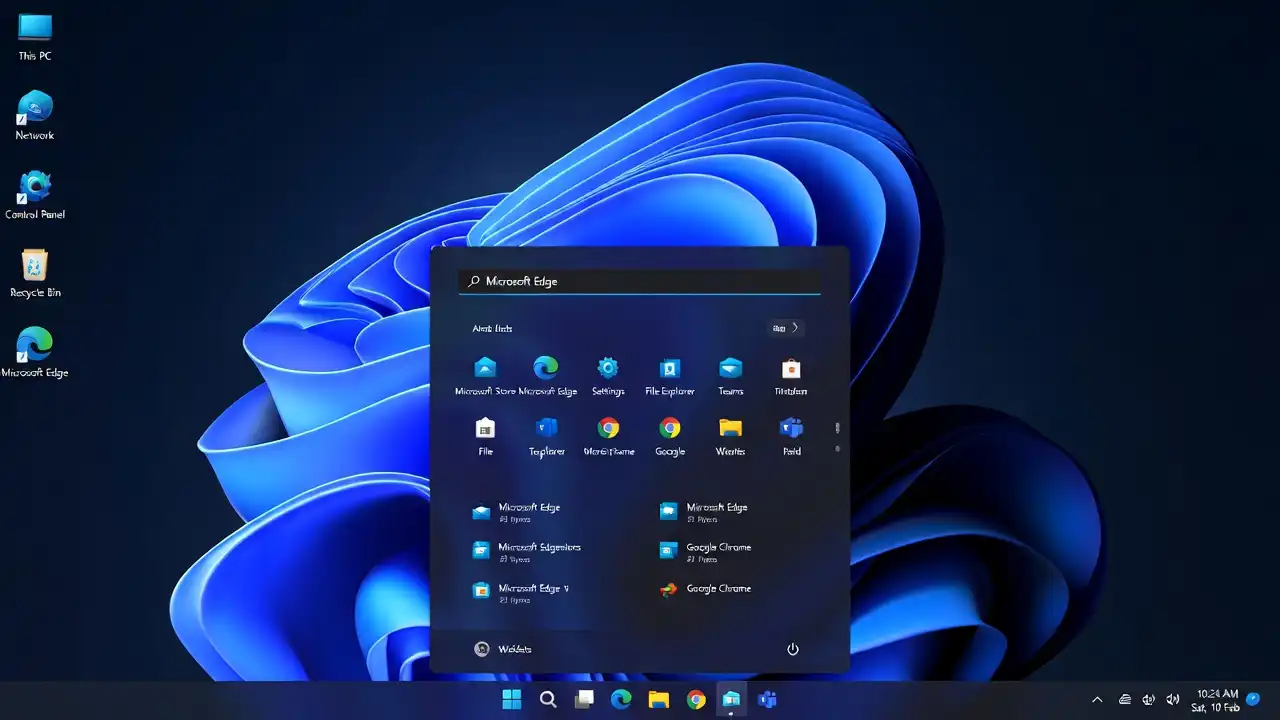
Once the installation finally completed, the results were both impressive and expectedly sluggish. The system successfully booted into the Windows 11 desktop, with the modern interface loading despite the significant hardware bottlenecks. Navigating the UI was a lesson in patience, as the limited bandwidth of the DDR1 RAM caused noticeable stuttering and delays. The enthusiast noted that basic tasks, such as opening the Start menu or launching a web browser, took several seconds—a stark contrast to the sub-second response times users expect in 2026.
This project highlights a growing subculture of “retro-modders” who enjoy pushing modern software to its absolute limit on discarded hardware. While running a cutting-edge OS on a machine with roughly 2GB of RAM and a 2007-era GPU is not practical for daily work, it serves as a powerful demonstration of how much overhead exists in modern software. If a machine with specs that would struggle to run a modern operating system can still render the complex visuals of Windows 11, it raises questions about why developers continue to push hardware requirements to such extremes.
Beyond the novelty, this experiment acts as a warning regarding electronic waste. Millions of perfectly functional computers end up in landfills every year simply because they cannot support the latest version of Windows. By finding ways to force older machines to run newer software, enthusiasts are proving that hardware longevity is often limited by corporate policy rather than physical decay. While this specific setup will never be a daily driver, the fact that it runs at all is a massive technical achievement.
For those interested in attempting similar builds, the process is fraught with stability issues. The enthusiast reported multiple “Blue Screen of Death” errors during the initial setup and driver installation. Because modern drivers are rarely written for components as old as the ATI Radeon HD 4650, the system required significant manual intervention to get basic display acceleration working. Despite the constant crashes and thermal management issues, the project stands as a testament to the fact that with enough technical knowledge, the “obsolete” label is often just a suggestion.
Ultimately, the experiment serves as a reminder of how far technology has progressed. While the Core 2 Quad Q6600 was a beast in its day, it struggles to manage the background telemetry and security features that are baked into the core of Windows 11. This stunt will not change the industry’s trajectory, but it certainly provides a entertaining look at how modern code interacts with the foundation of the past. It remains a fascinating hobby for those who refuse to let their old hardware die without a final, challenging fight.