
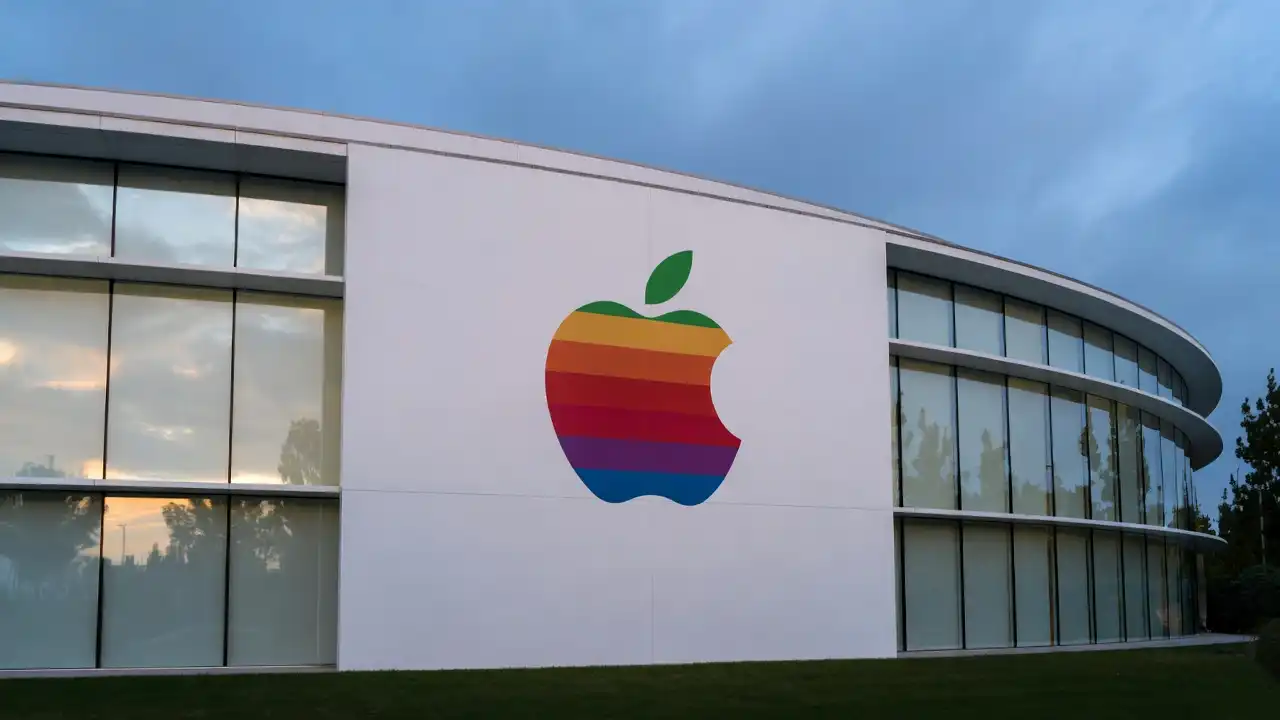
In a surprising strategic shift, Apple plans to overhaul its internal roadmap for Mac silicon. Reports suggest the tech giant will skip the high-end M6 chip generation entirely to focus its engineering resources on the next leap in artificial intelligence. This decision reflects a broader industry trend where hardware manufacturers are racing to optimize their processors specifically for large-scale AI models. By fast-tracking the M7 chip generation for a 2027 release, Apple aims to maintain its dominance in the premium personal computing market.
For years, Apple followed a relatively predictable two-year cycle for its silicon upgrades. However, the explosive growth of generative AI has changed the rules of the game. Industry insiders reveal that Apple’s leadership believes the M6 architecture no longer provides a sufficient performance gain to justify a full product launch. Instead, the company is shifting its focus toward a silicon architecture built from the ground up to handle complex neural processing, massive data throughput, and high-speed on-device learning.
The upcoming M7 chips represent a $10 billion investment in specialized hardware. Unlike previous designs that focused primarily on CPU clock speeds and battery efficiency, the M7 series will prioritize a significantly expanded Neural Engine. Engineers are aiming for a 30% to 40% improvement in AI-specific tasks, such as local language model execution and real-time media generation. This change ensures that future MacBooks and iMacs will act as portable hubs for advanced AI applications, reducing the need for constant cloud connectivity.
By skipping the M6 generation, Apple effectively condenses its development timeline. This move forces the company’s manufacturing partners to optimize their processes for the new M7 chips earlier than originally planned. Some analysts speculate that this decision might lead to a temporary pause in premium Mac updates during 2026, but Apple clearly views this as a necessary trade-off. They would rather wait an extra year to deliver a revolutionary platform than launch a marginal update that falls behind competitors like Qualcomm or NVIDIA.
The software side of this transition is just as important. Apple is reportedly tailoring its next version of macOS to exploit the M7’s unique hardware features. If these machines arrive as planned in 2027, users can expect deep system-level integration of generative AI tools. From smart video editing that happens in seconds to real-time translation features that run entirely on the laptop, the M7 will bridge the gap between heavy cloud-based computing and the user’s desktop.
Competitors are certainly paying attention. With the AI hardware race reaching a fever pitch, Apple’s gamble to skip a generation highlights its confidence in its own design teams. While companies like Intel and AMD struggle to balance power consumption with AI performance, Apple’s unified memory architecture offers a distinct advantage. By controlling both the silicon and the operating system, they can squeeze more efficiency out of every watt, which remains the “holy grail” for high-end creative professionals.
Investors are watching this pivot closely. While skipping a chip generation carries risk, the market seems to favor companies that aggressively adapt to the AI era. If Apple successfully launches the M7 in 2027 with the performance gains they promise, it will likely solidify the Mac as the default choice for the next generation of AI-native developers and creative workers. The company’s ability to reallocate resources on the fly shows that even a trillion-dollar organization can remain agile when faced with a rapidly shifting technological landscape.
Ultimately, this roadmap change signals that the era of general-purpose computing is evolving. We are entering a new phase where processors are judged by their “AI-per-watt” efficiency rather than just raw processing power. Apple’s decision to leapfrog the M6 series proves that they are not just reacting to AI; they are reorienting their entire business to dominate it. Users looking to upgrade their hardware should keep a close eye on the 2027 calendar, as that is when the true “AI-ready” Mac experience is set to arrive.