
Building a high-end gaming PC used to be simple, but today’s market offers two distinct paths for performance. On one side, we have the legendary AMD Ryzen 7 5800X3D, a processor that revolutionized gaming with its massive 3D V-Cache technology. On the other side sits the Intel Core i7-14700K, a modern powerhouse that balances high core counts with impressive clock speeds. Choosing between these two chips depends entirely on whether you prioritize pure gaming efficiency or need a versatile machine that handles content creation just as well as it runs the latest titles.
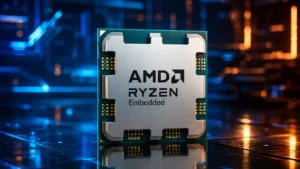
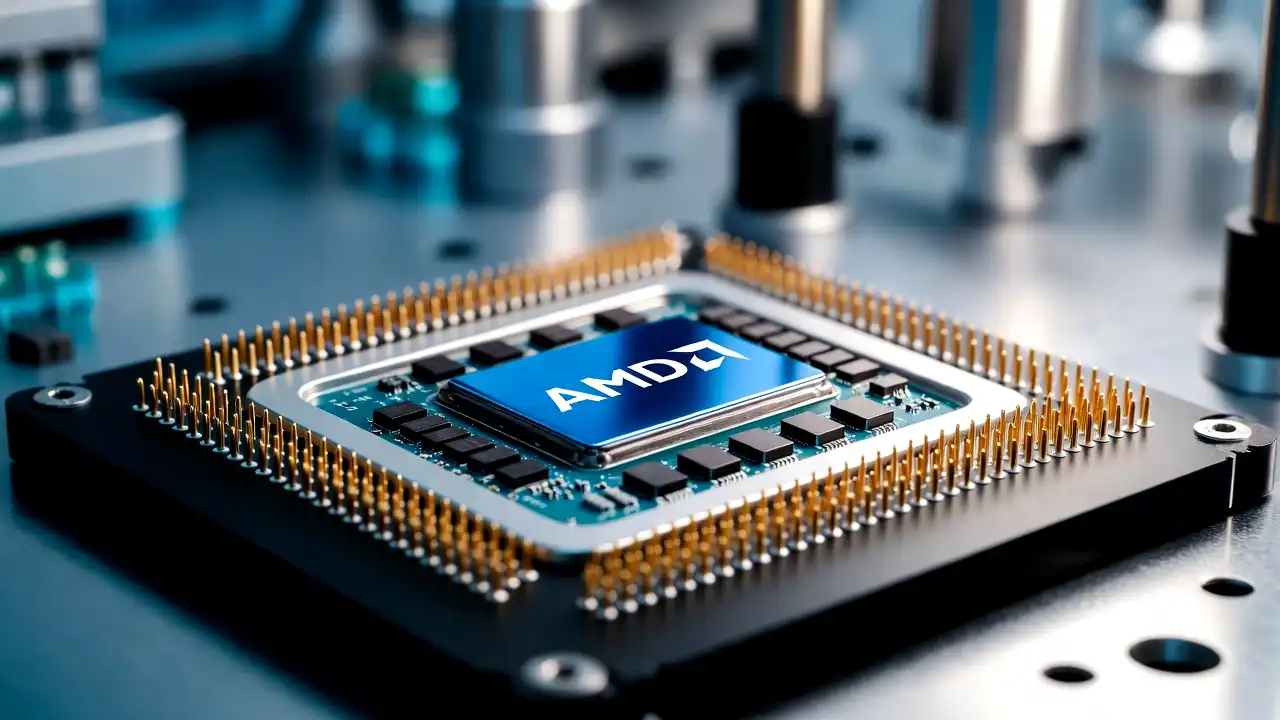
The AMD Ryzen 7 5800X3D changed the industry when it launched. By stacking 96MB of L3 cache directly onto the chip, AMD allowed games to access data much faster, which drastically reduces stuttering and boosts frame rates in title after title. Even years after its debut, it remains a favorite for gamers on the older AM4 platform. It is a specialized tool; it performs like a champion in games but lags behind in heavy productivity tasks like 3D rendering or video encoding because it lacks the high core count of its modern rivals.
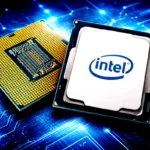
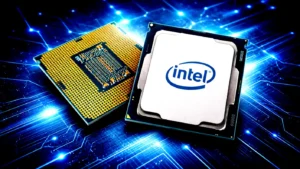
Intel’s Core i7-14700K approaches the problem with a completely different philosophy. This chip features a hybrid architecture, combining 8 performance cores with 12 efficiency cores for a total of 20 cores and 28 threads. It boasts turbo clock speeds up to 5.6 GHz, making it an absolute monster for multitasking. If you are a streamer, a video editor, or someone who keeps 50 browser tabs open while playing a game, the Intel chip handles the load with ease. It is a “do-it-all” processor that rarely breaks a sweat.
When we look at gaming benchmarks, the competition heats up. The 5800X3D still competes with processors twice its price in many titles because its V-Cache technology is so effective at removing CPU bottlenecks. In games that rely heavily on memory speed, the AMD chip often holds its own against the Intel 14700K, sometimes staying within a 3% to 5% margin of performance. However, in newer titles that utilize multi-core processing more effectively, the 14700K eventually pulls ahead, especially at lower resolutions where frame rates can climb above 200 FPS.
Power efficiency is where the two chips truly diverge. The 5800X3D is famously efficient, often drawing less than 100 watts during intense gaming sessions. This makes it an excellent choice for smaller PC builds or systems with simpler cooling solutions. Conversely, the Intel 14700K is a power-hungry beast. Under a full multi-core workload, it can easily draw 250 watts or more. You will need a top-tier liquid cooler to keep the Intel chip from hitting its thermal limits, which adds to the total cost of your build.
Platform longevity also matters. The Ryzen 7 5800X3D is the end of the road for the AM4 socket. If you buy this chip today, you cannot upgrade to a newer CPU generation without replacing your motherboard and RAM. Intel’s LGA1700 platform for the 14700K is also reaching its sunset, meaning both paths have limited upgrade potential. However, the Intel platform offers more modern features, such as official support for faster DDR5 memory, which can provide a 10% performance boost in bandwidth-intensive tasks.
For gamers who already own an AM4 motherboard, the 5800X3D is the ultimate “drop-in” upgrade. It offers an incredible price-to-performance ratio, allowing you to breathe new life into an aging system for a fraction of the cost of a full platform swap. You spend your money on the CPU and can put the remaining $300 or $400 toward a better graphics card, which will provide a much larger boost to your overall gaming experience than switching to a new CPU platform.
If you are starting a build from scratch, the landscape changes. The Core i7-14700K is the smarter choice for a long-term workstation that doubles as a gaming rig. It offers a much higher ceiling for productivity and supports faster, modern standards. Yes, the cooling requirements are higher, and your electricity bill might climb slightly, but the sheer flexibility of having 28 threads at your disposal is hard to beat.
Ultimately, the choice comes down to your primary use case. If gaming is your sole priority and you want to maximize your current hardware without spending $1,000 on a full system overhaul, the AMD Ryzen 7 5800X3D remains king. If you need a machine that can edit 4K video during the day and conquer AAA games at night, the Intel Core i7-14700K is the superior, more versatile investment. Both chips are exceptional, but they serve two very different types of users.