
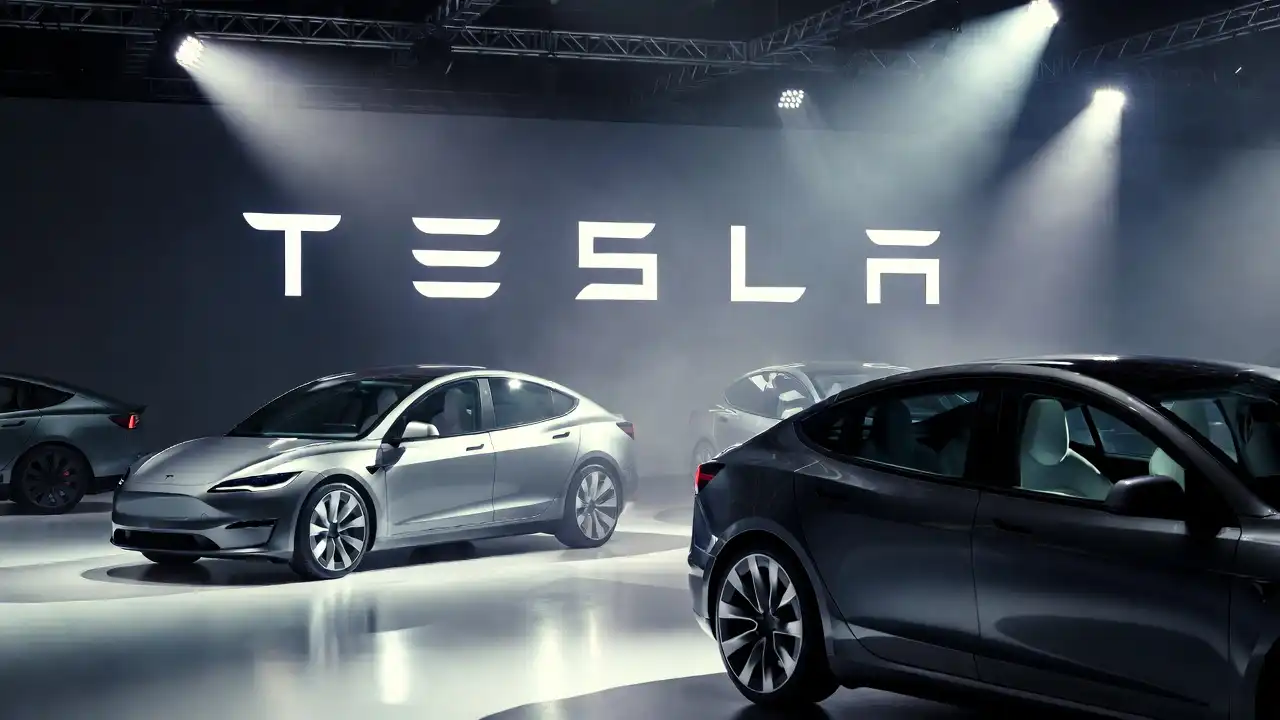
Tesla is once again battling legal challenges regarding its driver-assistance software. The family of a Texas man killed in a high-speed collision last year filed a wrongful death lawsuit against the automaker on Wednesday. The legal complaint alleges that Tesla’s Autopilot system failed to detect a stationary object, leading to the tragic accident that claimed the victim’s life. This case adds to the growing list of litigation that continues to shadow the company’s push toward full vehicle autonomy.
The lawsuit, filed in a Texas district court, claims that the vehicle’s sensors were incapable of identifying a parked emergency vehicle on the highway shoulder. The plaintiffs argue that the software gave the driver a false sense of security, encouraging him to trust the system in driving conditions where it was not yet fully reliable. They are seeking $50 million in damages, citing gross negligence and a failure to provide adequate warnings about the limitations of the technology.
This incident centers on the ongoing debate regarding the safety of “Level 2” driver-assistance systems. Tesla has long maintained that its software requires active driver supervision at all times, stating that the human driver remains responsible for the vehicle’s actions. However, lawyers for the victims contend that the company’s marketing language and branding—specifically the name “Autopilot”—misleads consumers into believing the cars can handle complex road hazards without human intervention.
Data from the vehicle’s event data recorder suggests the car was traveling at 72 miles per hour just moments before the impact. The complaint highlights that the software did not initiate emergency braking until 0.4 seconds before the collision. The plaintiffs’ legal team argues that this response time is insufficient for human reaction, essentially proving that the software failed to perform the most basic safety functions in a clear, daylight environment.
Tesla has faced intense scrutiny from federal safety regulators over the past few years regarding these same concerns. The National Highway Traffic Safety Administration has opened multiple investigations into similar crashes involving parked vehicles. In response to this pressure, Tesla has released several software updates intended to improve the system’s ability to recognize stationary objects, yet many experts believe these patches do not address the fundamental hardware limitations of the current sensor suite.
The potential financial impact of this litigation is significant for the company. Tesla currently faces more than 15 similar lawsuits across various states, with total potential liabilities estimated to exceed $750 million if the company loses these cases in court. Beyond the monetary penalties, these trials carry the risk of damaging the company’s brand and inviting stricter regulatory oversight that could slow down the rollout of future autonomous features.
Industry analysts suggest that the outcome of this case could set a legal precedent for the entire autonomous vehicle industry. As more companies test self-driving software on public roads, the courts must decide where the line exists between innovative safety technology and corporate liability. For Tesla, the path forward requires a delicate balance: proving the safety of its technology while defending against a wave of high-stakes legal battles that show no signs of stopping.
As the court date approaches, the industry will watch closely for any evidence related to the vehicle’s internal testing data. If the plaintiffs successfully prove that Tesla engineers were aware of these specific blind spots prior to the crash, the company could face even stiffer penalties. For now, the case serves as a stark reminder of the challenges involved in bridging the gap between current driver-assist tools and the promised future of fully driverless transportation.