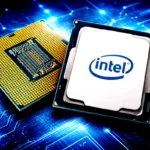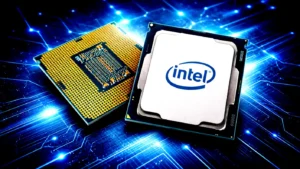

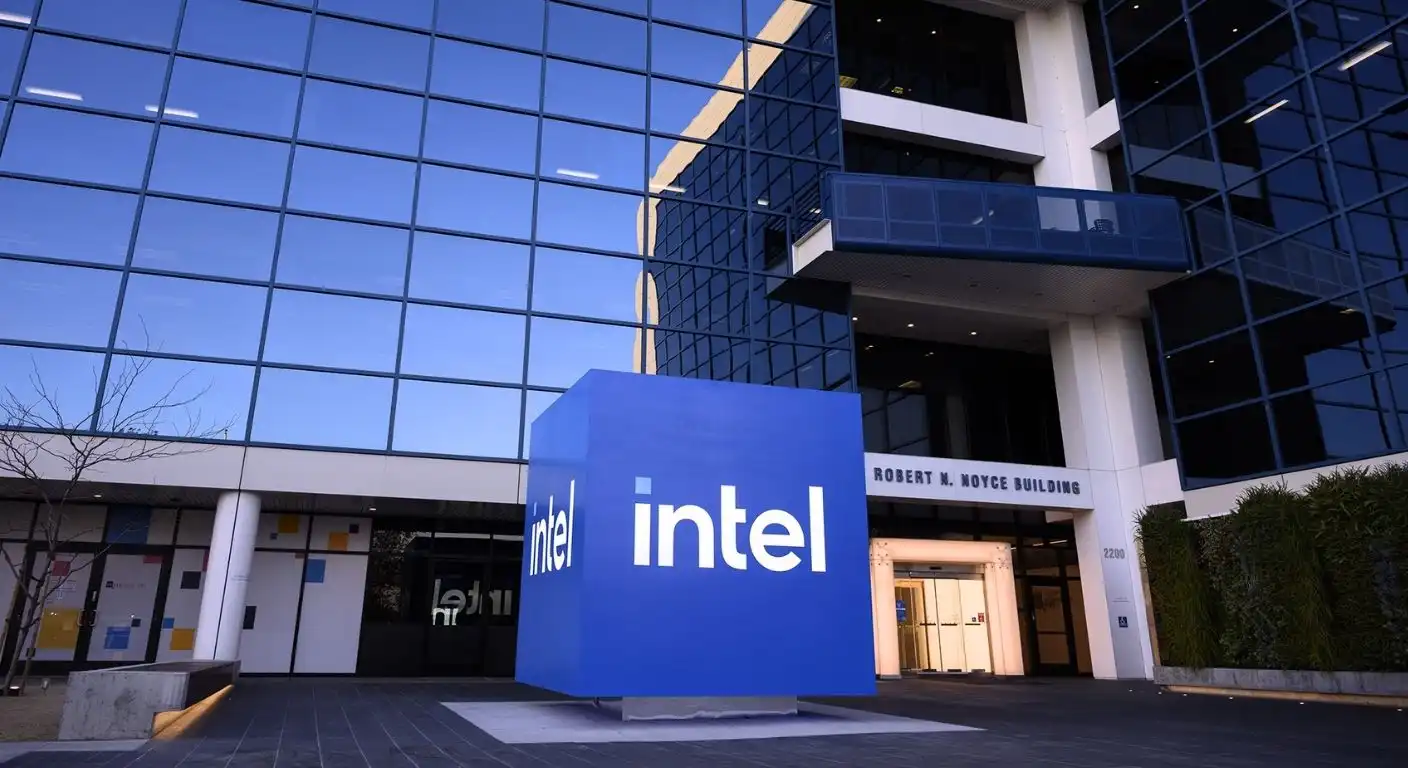
Intel is making a surprising play in the high-performance mobile market. The tech giant recently unveiled plans to revive its 24-core “HX” series processors for the 2027 mobile lineup, continuing the legacy of its Raptor Lake architecture. This decision ensures that power-hungry laptops, often favored by gamers and high-end creative professionals, maintain access to massive multi-core performance for another annual cycle. However, the update comes with a notable catch: Intel is quietly removing vPro security and management features from this specific tier of high-end consumer chips.
The Raptor Lake “Next” refresh focuses heavily on raw speed and thermal efficiency. By retaining the 24-core configuration—consisting of a mix of performance cores and efficiency cores—Intel provides laptop manufacturers with a reliable, high-performance foundation for flagship devices. Benchmarks suggest that these refreshed chips will offer a 10% to 12% improvement in multi-threaded tasks compared to current-generation silicon. This boost arrives as developers demand more power for local AI processing and complex media rendering on the go.
Despite the focus on performance, the decision to drop vPro from the HX line marks a strategic shift for the company. Traditionally, vPro provided advanced remote management, hardware-level security, and stability features aimed at corporate IT departments. Intel’s move suggests that the company is segmenting its product catalog more aggressively. The HX series will now clearly target individual enthusiasts and gamers, while Intel’s “Core Ultra” and standard business-oriented lines will remain the home for vPro-certified silicon.
This move effectively saves significant overhead for both the manufacturer and the end user. By stripping away the enterprise-grade management layer, Intel reduces the complexity of the chip’s firmware. This change might also lower the manufacturing cost by roughly 3% per unit, a margin that helps laptop makers keep prices competitive in an inflationary market. For a high-end gaming laptop that could cost upwards of $2,500, even a small cost reduction helps keep the final price tag grounded.
Intel’s strategy for 2027 seems to be about clarity. For years, professional-grade features often bled into consumer laptops, creating confusion for buyers who did not need remote management tools or specialized enterprise software stacks. By segregating the 24-core flagship chips away from the vPro ecosystem, the company streamlines its driver support and software requirements. This ensures that consumer-focused devices receive updates tailored for gaming and media, rather than being weighed down by enterprise legacy code.
Laptop manufacturers are already preparing for the shift. Major brands are currently designing chassis that leverage the refreshed thermal profile of these 24-core chips. With heat management being a perennial issue for mobile processors, these new designs will likely feature larger vapor chambers and high-density cooling fans. Intel’s engineering team has optimized the power delivery for these chips, allowing them to maintain peak boost speeds for 15% longer than their predecessors during sustained workloads.
This refresh also hints at how Intel plans to bridge the gap until its next-generation architecture reaches full-scale mass production. Instead of rushing a new design that might suffer from early-stage bugs, the company is doubling down on the proven reliability of the Raptor Lake platform. It is a “steady-as-she-goes” approach that minimizes risk for partners while still offering enough of a performance bump to keep enthusiast users happy.
For buyers, the takeaway is simple: if you want a workstation for heavy corporate security and remote IT fleet management, you should look toward the business-certified models. However, if you are a gamer, a video editor, or a 3D artist, these 2027 flagship chips will likely offer the best price-to-performance ratio in the market. Intel is clearly betting that the sheer power of 24 cores will matter more to their core user base than enterprise management features.
As the industry moves toward 2027, the success of this plan rests on how well these chips handle the increasing demand for AI-driven local workflows. By keeping the core count high and focusing on thermal optimization, Intel remains a top contender in the premium laptop space. While the loss of vPro might disappoint some IT managers, the vast majority of consumers will likely welcome the cleaner, faster, and more efficient performance that this refresh promises to deliver.