
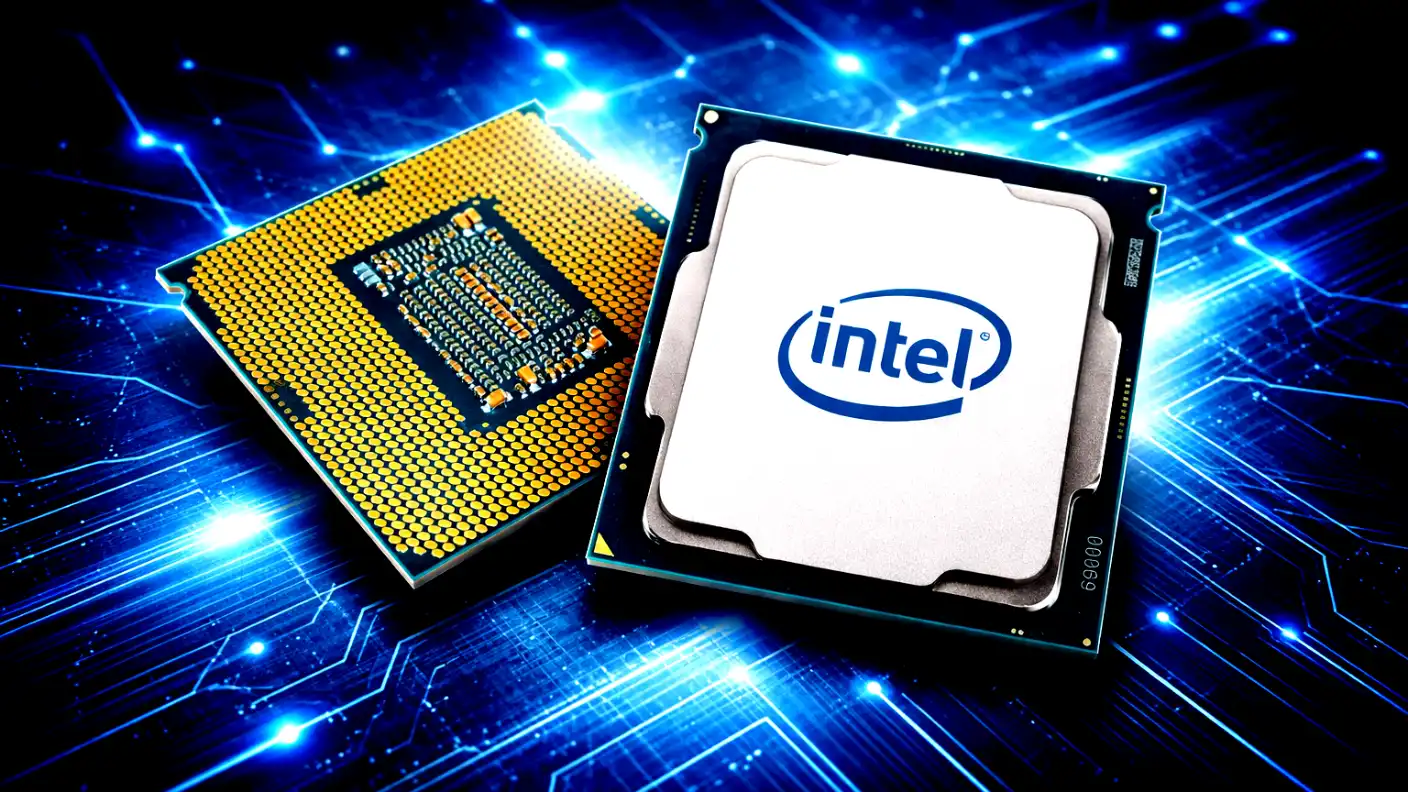
Intel is quietly preparing for the next major evolution of its desktop processor lineup. Following the widespread adoption of its current architecture, industry insiders report that the tech giant is ramping up development for its next iteration of the “Raptor Lake” series. This upcoming refresh aims to bridge the gap between current silicon capabilities and the next major architectural leap. By focusing on refined power efficiency and higher clock speeds, Intel hopes to maintain its competitive edge against rising pressure from rivals in the high-performance computing space.
The strategic move involves more than just a simple speed bump. Sources suggest that Intel plans to leverage a more mature manufacturing process to extract an additional 5% to 8% in raw performance gains compared to the current generation. While this might sound modest to casual observers, in the world of high-end desktop computing, these incremental improvements represent a significant hurdle for competitors. By squeezing more efficiency out of the existing design, Intel ensures that its processors remain the preferred choice for enthusiasts who demand stable, high-frequency operation for gaming and intensive creative workflows.
Thermal management remains a top priority for this upcoming launch. Intel intends to implement an improved integrated heat spreader design, which should help manage the heat output during sustained heavy workloads. Preliminary data suggests that users could see temperatures drop by 3 to 5 degrees Celsius under full load, allowing for more consistent performance without the dreaded thermal throttling that often plagues high-performance chips. This focus on thermals shows that Intel is listening to feedback from system builders who frequently highlight cooling as a primary concern for their custom-built rigs.
The company is also reportedly fine-tuning its hybrid core architecture to better handle background tasks. By optimizing the way the processor balances “Performance” cores and “Efficiency” cores, Intel expects to see a 10% improvement in multitasking scenarios. Whether a user is streaming a game, editing 4K video, or running multiple virtual machines, the smarter core allocation will ensure that the system stays responsive. This refinement is critical as modern software applications continue to demand more from the underlying hardware.
Furthermore, Intel is looking to maintain its strong presence in the enthusiast market by offering better support for faster memory standards. The next refresh will likely feature native support for even higher DDR5 memory frequencies, potentially reaching speeds that were previously only possible through manual overclocking. This move provides a direct benefit to gamers, who often see frame rate spikes when paired with faster memory modules. By lowering the barrier to entry for high-speed performance, Intel is making it easier for everyday users to get the most out of their expensive investment.
As we look toward the wider market, this refresh serves as a vital bridge. Developing a brand-new architecture takes years, and Intel needs a powerful offering to keep its market share stable while it finalizes its next-generation designs. By maximizing the life of the Raptor Lake platform, the company gives motherboard manufacturers and system integrators a reliable, high-performance product to sell throughout the coming year. For the consumer, this means that even if you recently invested in the platform, you will have a clear path to upgrade without needing to overhaul your entire system, saving you hundreds of dollars in unnecessary hardware swaps.
Ultimately, Intel’s decision to refresh its proven architecture shows a mature approach to product development. Instead of chasing headlines with unproven technology, they are prioritizing the stability and performance that professional users and gamers value most. As official details emerge in the coming months, the focus will undoubtedly remain on whether these refinements can provide enough value to justify an upgrade. If the internal performance metrics hold true, this refresh will prove that refinement often outweighs the pursuit of radical, but unproven, innovation.