
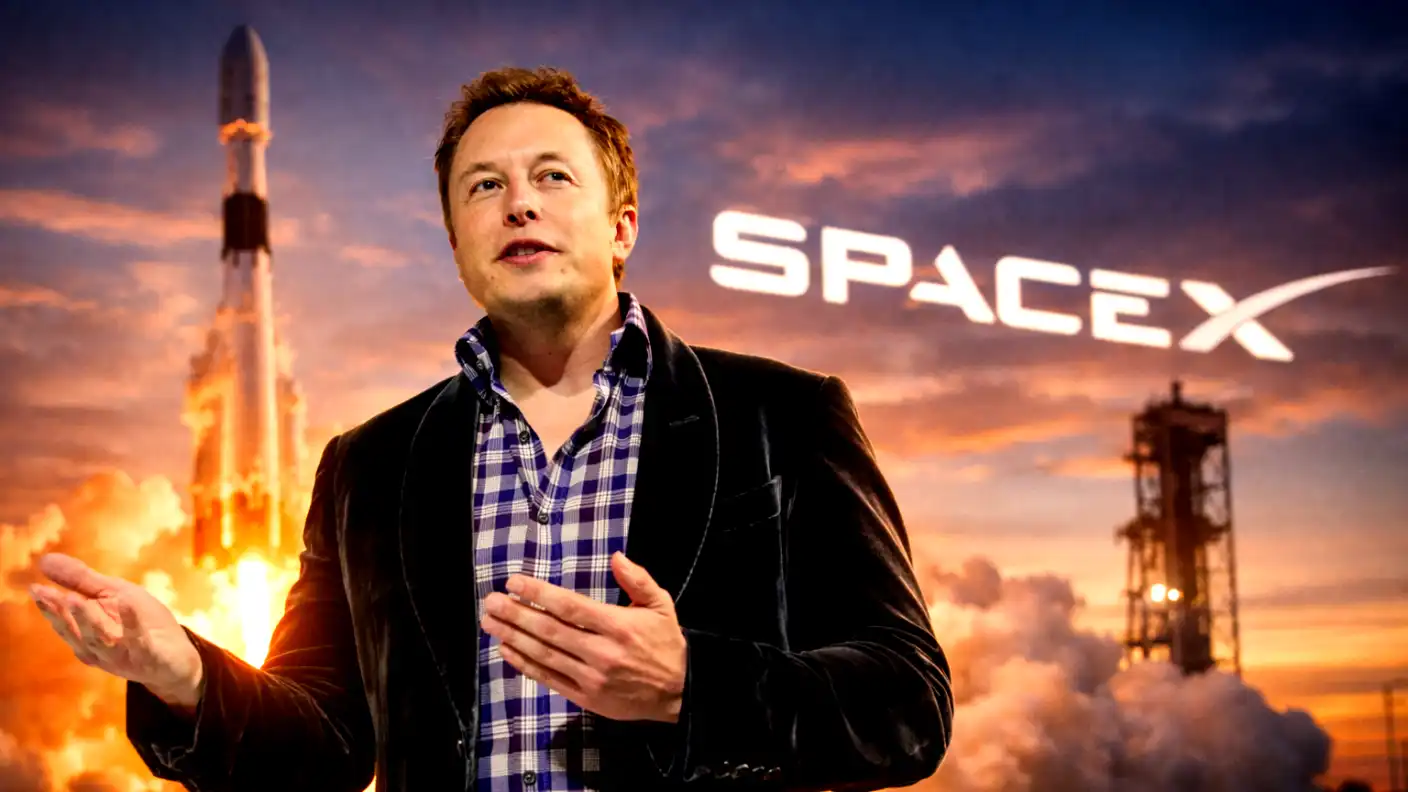
The financial world is buzzing with unprecedented excitement as SpaceX moves closer to its highly anticipated initial public offering. While the official listing date remains the subject of intense speculation, the launch of “perpetual futures” contracts tied to the space exploration giant has already begun to paint a vivid picture of market demand. Financial analysts now predict a significant surge in share price on the first day of trading, with many suggesting a potential double-digit pop that could redefine aerospace valuations.
Investors are flocking to these pre-IPO financial instruments to get a head start on what is arguably the most significant market debut of the decade. The data from these futures markets suggests that professional traders are pricing in a massive opening-day gain, with some estimates pointing toward a jump of 15% to 20% within the first few hours of trading. This early appetite highlights the sheer confidence the market has in Elon Musk’s aerospace vision, particularly as the Starship program continues to achieve major milestones.
The scale of the company’s influence is hard to overstate. SpaceX currently controls over 60% of the global commercial satellite launch market, an industry dominance that has allowed it to secure lucrative contracts with both private companies and government agencies. With consistent revenue growth and the rapid expansion of the Starlink internet network, the company’s valuation has climbed steadily, with recent private-market estimates placing its total worth near $250 billion. When the IPO finally hits the ticker, it will likely represent one of the largest capital raises in history.
Retail investors, who have long been locked out of the private equity rounds, are now finding ways to participate through these new derivative products. While trading futures carries inherent risks, the willingness of the public to bet on the company’s future indicates a deep-seated belief that space-based infrastructure will be the next trillion-dollar sector. Market experts note that the daily volume of these SpaceX-linked contracts has already surged by 40% in just the last week, signaling a massive buildup of institutional and individual interest.
Financial experts suggest that the company’s diversified revenue model is what makes it so attractive compared to other tech IPOs. SpaceX is not just a launch provider; it is an infrastructure provider, a logistics operator, and a global telecommunications player all in one. This vertical integration allows the firm to capture value at every stage of the space economy. For example, Starlink alone is expected to generate over $10 billion in annual recurring revenue by the end of next year, providing a stable foundation that traditional rocket companies simply lack.
Despite the optimism, some cautious voices on Wall Street warn of potential volatility. Aerospace is a capital-intensive industry with long lead times, and the technical challenges of orbital flight always carry the risk of costly setbacks. Analysts recommend that investors keep a close eye on the company’s debt-to-equity ratio and its burn rate as it pours funds into Mars colonization efforts. However, the long-term potential for space-based manufacturing and deep-space logistics continues to fuel the bullish sentiment.
As the company prepares for the final regulatory hurdles, the atmosphere surrounding this IPO feels different from typical tech listings. SpaceX has managed to cultivate a massive, global brand that transcends the typical corporate image. Fans of the brand are eager to hold a piece of the company, which could lead to a buying frenzy that drives the stock price well beyond its initial offering valuation. Some hedge fund managers predict that the total market cap could soar past $300 billion within the first year of being public.
The broader implications for the stock market are also significant. A successful SpaceX debut could breathe new life into the lagging aerospace sector, encouraging more investment in space-tech startups and related hardware manufacturers. It sets a new benchmark for what a private space company can achieve when it combines aggressive innovation with a clear, profitable business model. As the final countdown to the IPO begins, all eyes are on the launchpad, both in space and on the trading floor.