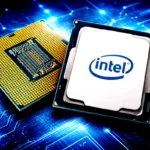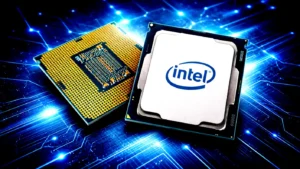

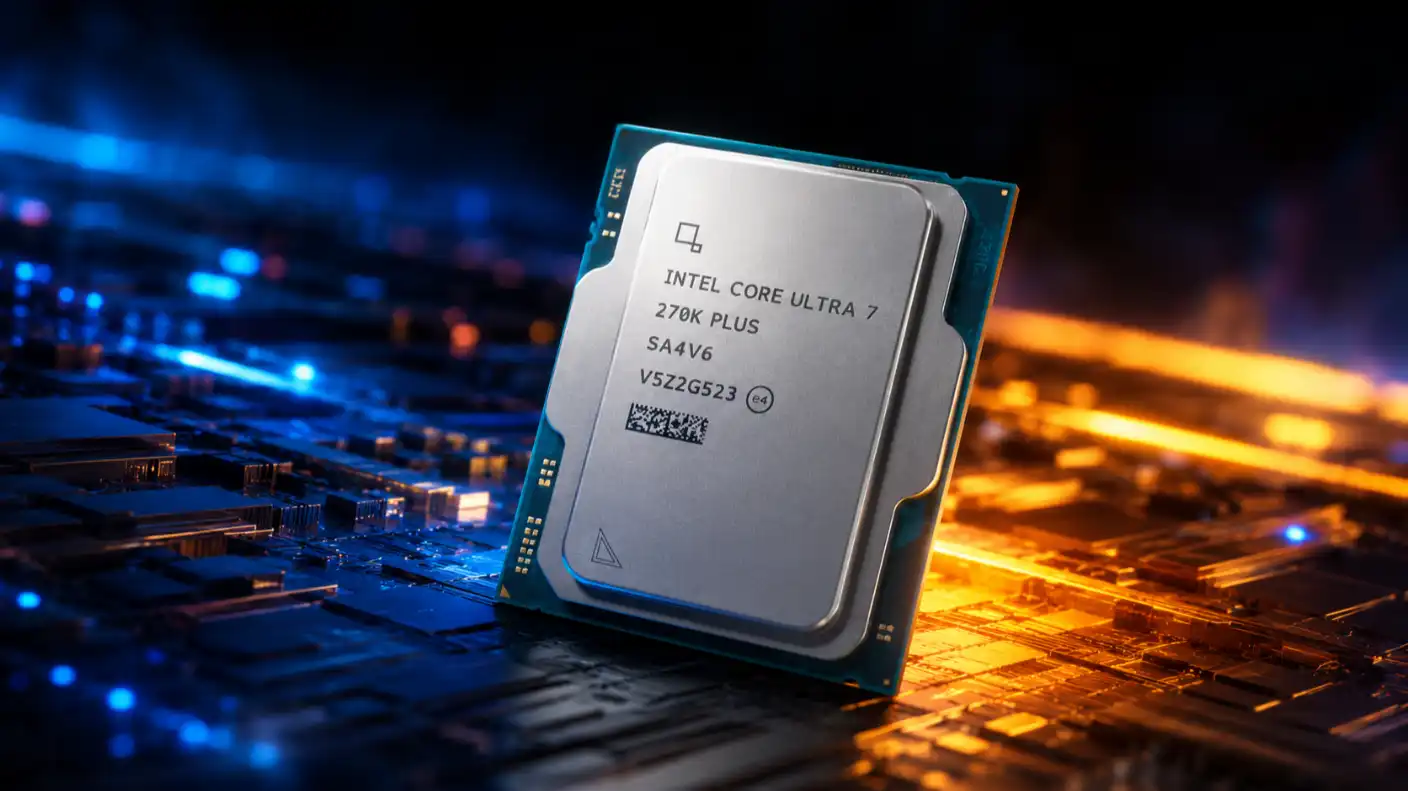
Intel is finally addressing the elephant in the room. In a recent move aimed at repairing its tarnished brand reputation, the chipmaker admitted that its previous “Arrow Lake” generation missed the mark with consumers and professional power users alike. To win back the trust of the PC building community, Intel is now shifting gears with an aggressive “Arrow Lake Refresh” strategy, characterized by significant price cuts and a renewed focus on value. This pivot represents the company’s first major step toward reclaiming its reputation before the upcoming, highly anticipated “Nova Lake” architecture arrives in the coming years.
The fallout from the original Arrow Lake launch was severe. Enthusiasts and corporate buyers criticized the platform for poor performance-per-watt metrics, confusing thermal management, and a high cost of entry that made competing with AMD’s platform feel like an uphill battle. For a company that once dictated the pace of the entire computer industry, seeing its market share dip by even 1.5% to 2% in the enthusiast desktop segment sent shockwaves through its investor base. Intel management now openly acknowledges that they “needed to build back our reputation,” and this refresh is the tangible proof of that commitment.
The primary strategy behind the Arrow Lake Refresh involves a drastic reduction in cost. By offering these refined chips at a much lower starting price, Intel is essentially apologizing to the community for the initial launch. The company believes that providing a high-performance CPU at a value-oriented price point is the most pragmatic way to keep users on the LGA 1851 platform. If they don’t lower the cost, they risk a mass migration of their loyal customer base to AMD’s AM5 socket, which has proven to be a reliable and long-lasting platform for gamers.
Intel’s leadership team emphasized that this refresh is not just a stop-gap measure; it is the vital foundation for everything that comes next. The company has poured over $1 billion into optimizing its manufacturing processes to ensure that the refresh chips offer better stability and improved thermal control. They want to prove that the fundamental architecture remains sound, provided it receives the correct level of software optimization and price positioning. For the average builder, this means you can expect these newer chips to run cooler and clock higher than the original hardware that launched just months ago.
Looking toward the horizon, the Nova Lake architecture stands as the true finish line for Intel’s current recovery plan. While the Arrow Lake Refresh is designed to stop the bleeding and maintain market share through 2026, Nova Lake is expected to be a total clean-slate design. Rumors suggest that Nova Lake will ditch the current core hierarchy entirely in favor of a new, hyper-efficient tile-based structure. This future architecture is intended to be the “big win” that restores Intel to its former position as the unchallenged leader in both gaming and workstation performance.
However, the path to Nova Lake requires patience. Intel knows it cannot afford to lose more ground in the interim. By aggressively discounting the Arrow Lake Refresh, the company is attempting to keep its motherboard partners happy. Manufacturers like Asus, MSI, and Gigabyte need to sell their premium motherboards, and a high-performance, budget-friendly CPU is the best tool for moving that inventory off the shelves. This “value-first” approach is expected to be the main driver of Intel’s sales volume for the remainder of the year.
The company is also doubling down on its “foundry services” vision, aiming to show that its internal manufacturing division can produce consistent results. After the widely publicized stability issues that plagued previous high-end chips, Intel’s engineers have spent thousands of hours validating the new refresh silicon. They are ensuring that every chip meets a strict “golden” standard for frequency and voltage. This obsession with stability is meant to signal to enterprise customers—who rely on these chips to run their servers—that the bad days of random system crashes are behind them.
Developers and creators should also take note of the new software optimizations arriving alongside the refresh chips. Intel is updating its compiler libraries and firmware to work in harmony with the improved clock speeds. These updates will allow creative apps, such as Adobe Premiere or Blender, to squeeze out every bit of power available, effectively giving users a “free” performance boost that wasn’t possible at launch. This commitment to ongoing software support is exactly the kind of “reputation building” that the company needs to demonstrate to its professional user base.
The broader market dynamics show why Intel has to be so careful. With the current economic environment, buyers have less disposable income than they did three years ago. When a potential customer is choosing between a $400 CPU and a $600 CPU, they are looking for reasons to spend less, not more. Intel’s pivot to value reflects a deeper understanding of the average person’s wallet. They aren’t just selling chips; they are selling a reason to stay in the Intel ecosystem without feeling like they are paying a “performance tax” just for the brand name.
Ultimately, Intel is betting that its next two years will be defined by humility and execution. By admitting the flaws of the original launch and correcting the course with an improved, cheaper product, they are taking a path of transparency that has been missing for some time. Whether this is enough to stave off the competition remains to be seen, but for anyone who likes to build their own gaming rigs, these price cuts are a rare and welcome development. The PC market is a fickle beast, but Intel clearly understands that the only way to win back the fans is to deliver better performance at a better price.