
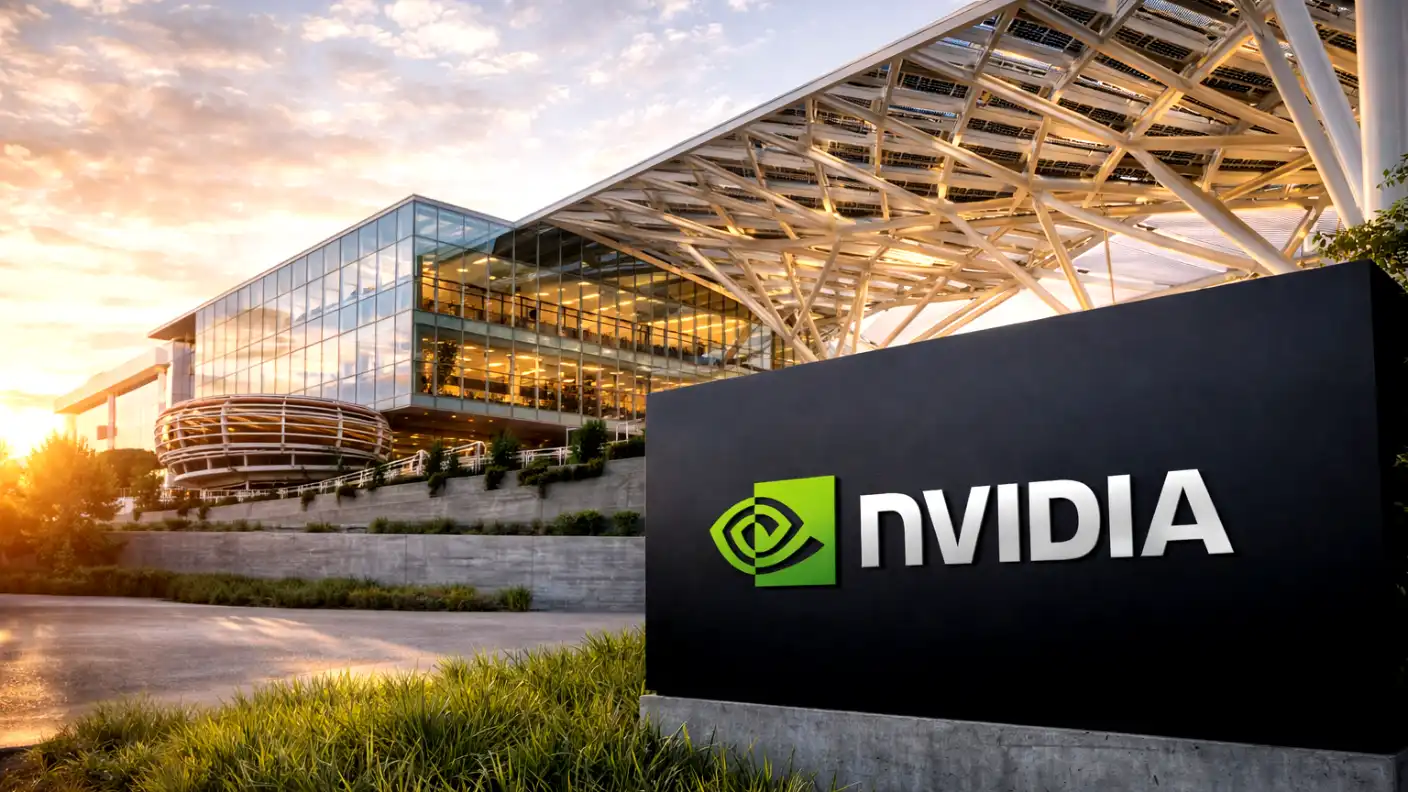
Nvidia is quietly preparing for one of the most ambitious hardware launches in its history. While the company already maintains a near-monopoly in the data center and professional graphics markets, it has now turned its attention to the mainstream Windows PC segment with a brand-new initiative called “RTX Spark.” Industry sources suggest that this platform is much more than a simple graphics card update; it is a full-scale assault on the traditional laptop and desktop market, designed to make Nvidia’s high-performance AI and gaming capabilities a standard requirement for every new Windows machine.
For decades, Nvidia operated comfortably as a component supplier, selling chips to PC makers who built the final products. With the new RTX Spark platform, Nvidia is taking control of the entire experience. By bundling its industry-leading GPU architecture with a unified software stack and strict hardware quality guidelines, the company is attempting to create a “gold standard” for what a Windows PC should be. This move directly challenges the long-standing dominance of Intel and AMD in the mainstream processor space, as Nvidia seeks to ensure that its hardware remains the primary driver of performance, regardless of which CPU is under the hood.
The timing of this launch is no accident. With the global artificial intelligence economy currently expanding at an incredible rate, companies are pouring over $1 billion every month into AI infrastructure. Nvidia recognizes that if it wants to maintain its current market dominance, it must control the hardware found in the hands of everyday users, not just those inside massive server farms. By standardizing the RTX Spark platform, Nvidia can ensure that future AI applications—from local chatbots to advanced content creation tools—always run optimally on its silicon.
Performance is the main selling point of this new initiative. Internal test results suggest that laptops and desktops equipped with RTX Spark branding will deliver a significant jump in real-world application speed. By optimizing the interaction between the GPU and the Windows operating system at a deeper level than ever before, Nvidia claims it can reduce task latency by as much as 1.5% to 2% compared to previous-generation hardware. While this might sound like a small number, in the world of competitive gaming and high-frequency data processing, those milliseconds represent a massive leap forward for end users.
A primary goal of the RTX Spark platform is to solve the “fragmentation” problem that has long plagued Windows devices. Currently, a user might buy a laptop from one brand, a GPU from another, and a screen from a third, leading to software conflicts and driver headaches. Nvidia wants to change this by creating a “certified” ecosystem. When you see an RTX Spark badge on a laptop, you can be sure that the screen, the cooling system, and the graphics drivers have all been validated to work in perfect harmony. This level of quality control is something the PC market has lacked for a long time, and it could be the feature that finally draws professional creative users away from Apple’s tightly controlled ecosystem.
The financial potential of this project is enormous. Nvidia currently commands a market value that is the envy of the entire tech sector. By moving deeper into the consumer PC space, it opens up a massive new revenue stream that is separate from its volatile data center business. If the company can capture just a fraction of the mid-range laptop market, it would generate hundreds of millions in additional annual revenue. Wall Street analysts are already factoring this growth into their models, noting that the platform-based approach is much harder for competitors to disrupt than simple hardware sales.
Competition is already reacting. Intel and AMD have both announced new chip architectures specifically designed to challenge the AI-centric features promised by the RTX Spark platform. These companies are pouring their own multi-billion dollar budgets into NPU (Neural Processing Unit) development to handle AI tasks locally. However, Nvidia’s historical strength in graphics software and its massive existing library of gaming and rendering developers gives it a unique defensive “moat” that other chipmakers find very difficult to cross.
One of the most intriguing aspects of this launch is how it interacts with the future of “agentic” AI. As software bots begin to take over tasks like scheduling meetings, sorting files, and browsing the web, they will require local hardware that is both fast and incredibly efficient. The RTX Spark hardware is designed to power these agents without draining the laptop’s battery, solving one of the most common complaints about previous-generation AI hardware. By making these agents run locally, Nvidia is effectively positioning its hardware as a requirement for the next era of personal computing.
The launch of these devices is scheduled for later this fall, and the hardware partners are already lining up. Major PC vendors are expected to show off their first RTX Spark-certified machines at upcoming trade shows, with a massive marketing campaign planned to coincide with the holiday shopping season. If the initial units perform as well as the early leaks suggest, the platform could become the dominant standard for high-performance Windows PCs by the end of 2027.
In summary, the RTX Spark initiative proves that Nvidia is not satisfied with being just a graphics company. It wants to become the primary interface for your computer, your AI assistant, and your gaming console, all wrapped into one package. By forcing the PC market to adopt its own standards, Nvidia is effectively resetting the rules of the game. For PC gamers and creative professionals, this means better hardware and a more unified experience. For the rest of the industry, it is a clear warning: the future of the PC is becoming increasingly centered around Nvidia’s vision of intelligence.