
Building a modern PC today feels like a constant balancing act between chasing raw performance and staying within a reasonable budget. With artificial intelligence applications demanding more system memory than ever before, picking the right RAM has become one of the most critical decisions for any computer builder. Whether you are upgrading an older machine with DDR4 or building a cutting-edge rig with high-speed DDR5, market prices are currently shifting in response to global supply chain pressures and the intense demand for high-bandwidth server memory.
The memory market has experienced a volatile period over the last eighteen months. As the world’s largest chip manufacturers divert more of their production capacity toward the lucrative High-Bandwidth Memory (HBM) required for AI data centers, the supply of standard desktop RAM has tightened significantly. This supply squeeze has kept prices higher than the bargain-bin levels we saw back in 2024. However, savvy shoppers can still find excellent value if they know how to navigate the current pricing landscape.
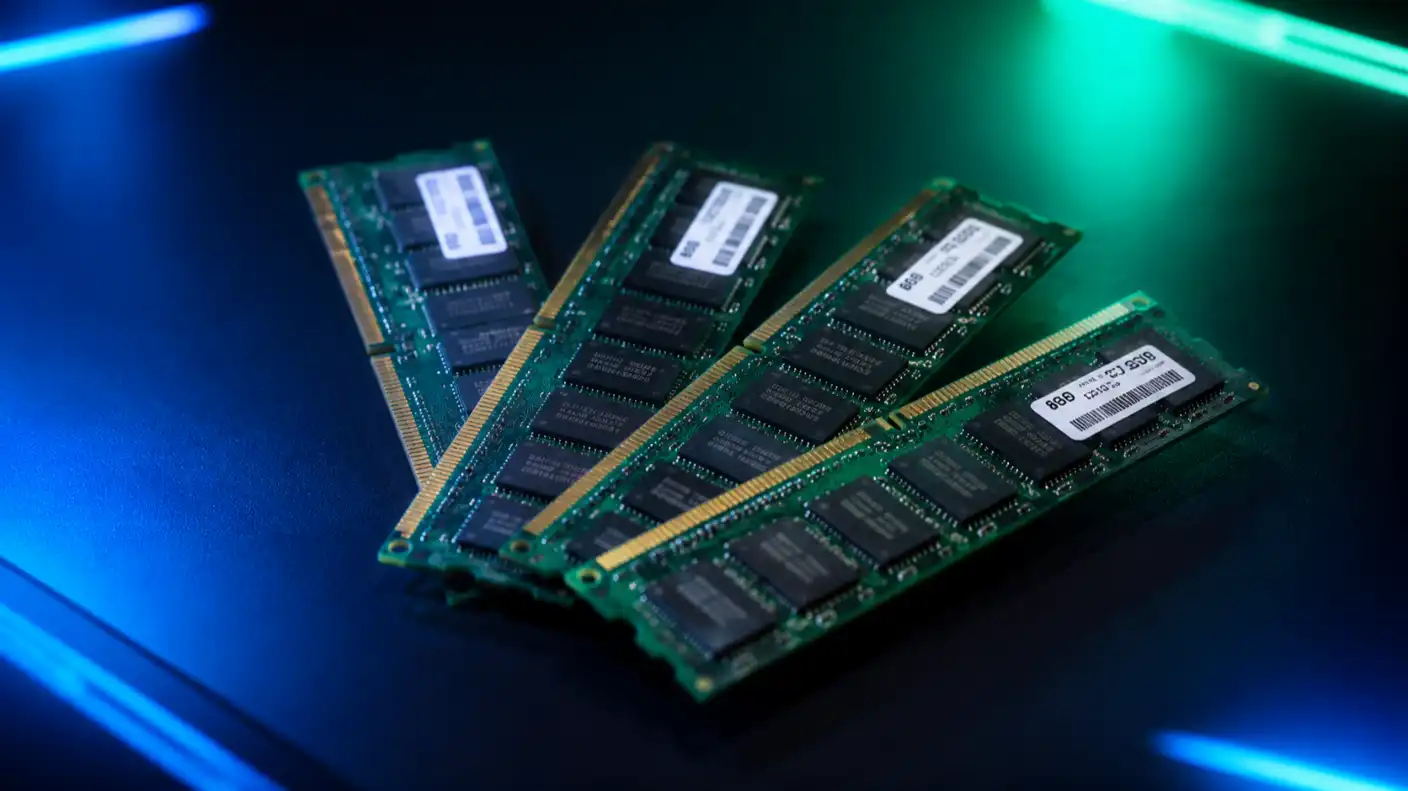
DDR5 memory currently represents the standard for any new high-performance build. If you are shopping for a motherboard that supports the AM5 or latest Intel platforms, DDR5 is essentially a non-negotiable requirement. While prices initially spiked when the technology first launched, they have settled into a much more stable range throughout 2026. A standard 32GB kit—which is widely considered the “sweet spot” for modern gaming and creative work—now typically retails between $90 and $120. Choosing a kit with a frequency of 6000 MT/s is generally recommended, as it provides the best balance of stability and performance for most processors.
For those who are not ready to switch to a brand-new motherboard, DDR4 memory remains a reliable and cost-effective option. Because it is no longer the “new” technology, manufacturers have optimized their production lines, keeping costs incredibly low. You can easily find a high-quality 32GB DDR4 kit for under $65 today. For a budget PC build or a simple office machine, DDR4 provides excellent value. You can put the money you save here toward a better GPU or a faster NVMe drive, which will often make a larger impact on your day-to-day experience than a marginal increase in memory speed.
The manufacturing industry is currently dealing with a $1 billion-plus investment cycle to expand production facilities, but that capacity is largely going to enterprise clients. Because the demand for server-grade memory shows no signs of slowing down, don’t expect a massive “fire sale” on consumer RAM anytime soon. Even a 1.5% drop in memory prices can be exciting for builders, but the days of prices falling by half overnight are likely behind us. The market has reached a state of “high-cost equilibrium,” where manufacturers have successfully balanced their output to maintain healthy profit margins.
When selecting your next memory kit, do not get too distracted by the ultra-high-speed numbers plastered on the packaging. While you might see kits advertised at 8000 MT/s or higher, these often require very expensive, top-tier motherboards to actually run at those speeds. For 99 percent of users, the performance gain from ultra-extreme RAM is barely noticeable in real-world applications. It is usually much smarter to prioritize lower latency timings and overall stability rather than chasing the absolute highest frequency numbers, which can often lead to system crashes or compatibility headaches.
We also see an increasing trend toward higher-capacity kits. As software—and especially local AI tools—demands more data be loaded into memory, 16GB of RAM is quickly becoming insufficient for heavy multitasking. A 64GB kit is no longer just for professional video editors; it is becoming the standard for power users who keep dozens of browser tabs, game launchers, and communication apps open at once. If you are building a PC intended to last until 2029 or 2030, skipping the 32GB kits and going straight to 64GB might be a wise investment.
One often overlooked aspect of buying memory is the importance of “QVL” (Qualified Vendor List) support. Before you click “buy” on a shiny new kit, take two minutes to check your motherboard manufacturer’s website to see if that specific RAM kit is officially supported. Modern high-speed memory is very sensitive to motherboard trace layouts. Using a kit that isn’t on the QVL list can lead to “blue screens” or memory errors that are incredibly frustrating to troubleshoot. It is a simple step that saves hours of headache down the road.
Finally, keep a close eye on major retail holidays and “flash” sales. While the base price of RAM is fairly steady, retailers like Newegg and Amazon frequently run promotions that can save you an extra 5% to 10% on your purchase. Signing up for email alerts from your favorite tech stores is one of the easiest ways to catch these temporary price drops. Even if you aren’t ready to build today, tracking these prices for a few weeks will give you a clear sense of what a “good deal” looks like in the current market.
As we look toward the end of 2026, memory prices are expected to remain stable. The days of extreme price swings have subsided, and the industry has entered a phase of predictable supply. While we won’t see prices hit rock bottom, the current cost of memory is reasonable enough that delaying a necessary upgrade is rarely worth the wait. Build your PC, grab a reliable 32GB kit, and enjoy the performance boost—your system will thank you for the extra breathing room.