
Nvidia is making its most significant bet yet on the future of artificial intelligence. In a landmark announcement on Tuesday, the company revealed a massive $150 billion investment plan aimed at Taiwan’s semiconductor and AI ecosystem. This capital injection seeks to secure the long-term manufacturing capacity Nvidia desperately needs to maintain its lead in the global AI market. As the demand for high-performance computing continues to outpace supply, Nvidia is effectively using its deep pockets to build the digital infrastructure of the next decade.
Taiwan currently serves as the undisputed center of the global semiconductor industry, thanks largely to the presence of Taiwan Semiconductor Manufacturing Company (TSMC). Since TSMC manufactures the world’s most advanced AI processors, it acts as a critical partner for the most valuable companies on the planet, including Apple and Google. By pouring $150 billion into the local ecosystem, Nvidia aims to lock in manufacturing and advanced packaging capacity, ensuring that it remains the top priority for TSMC’s most sophisticated production lines through 2030 and beyond.
Nvidia has been the primary beneficiary of the unprecedented spending on AI infrastructure. With its market value recently surging to new heights, the company is using its record-breaking profits to prevent the type of supply chain bottlenecks that previously hampered smaller tech firms. This $150 billion commitment covers everything from the development of “next-gen” silicon to the complex packaging technologies required to link multiple AI chips together. High-performance computing requires perfect synchronization between processors, and Nvidia’s investment ensures that its supply chain partners have the machinery to deliver.
Strategic partnerships remain the cornerstone of this plan. Nvidia confirmed that its funding will support collaborative efforts with local Taiwanese powerhouses like ASE and SPIL. These firms specialize in “advanced packaging,” a critical technology that connects chips in a way that improves performance efficiency and thermal management. As AI models become larger and more complex, packaging technology has become just as important as the chip design itself. By funding these local upgrades, Nvidia is essentially buying itself a more reliable and faster supply chain.
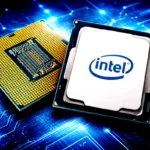
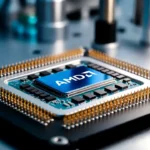
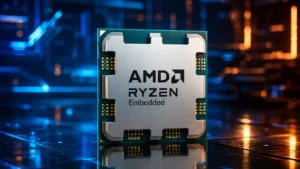
The timing of this investment coincides with a period of rapid growth for the industry. Nvidia reported another round of stellar earnings this week, which provided the liquid cash needed to greenlight such a colossal expenditure. The company is currently facing intense competition from rivals like AMD and Intel, both of which are also trying to secure manufacturing slots in Taiwan. By committing such a massive sum upfront, Nvidia is signaling that it intends to remain the sole leader of the AI hardware revolution for years to come.
These innovations in packaging and manufacturing will directly support the deployment of the company’s next major AI server systems, including the highly anticipated “Helios” platform. The company expects Helios to roll out in the second half of 2026. This platform is designed to provide massive computing clusters for the world’s largest data center operators, who are currently spending over $1 billion every few months to build out their AI capabilities. Having a stable supply of these systems is a competitive advantage that can help Nvidia justify its lofty stock valuation.
Local Taiwanese manufacturing partners, including Sanmina, Wiwynn, Wistron, and Inventec, will also play a key role in building the new infrastructure. These partners bring decades of experience in server assembly and system-level testing. By integrating their efforts directly into the Nvidia manufacturing roadmap, the company creates a unified ecosystem where software and hardware are optimized for one another before the chips even reach the data center floor. This level of coordination is what makes modern AI possible on such a massive scale.
Critics often point to the risks of concentrating so much manufacturing power in one region, especially given the current geopolitical tensions. However, Nvidia argues that the concentration of talent, engineering expertise, and specialized equipment in Taiwan makes it the only viable choice for a project of this size. The company believes that the risk of spreading its production too thinly across multiple continents outweighs the benefits of geographical diversity, at least until more high-end fabs come online in the United States and Europe.
This $150 billion move is a clear signal to the rest of the tech world that the AI “gold rush” is nowhere near its peak. When a company is willing to commit this much capital to a single region, it indicates a high degree of confidence that AI will eventually touch every part of the economy. From automated industrial robotics to real-time translation services, the demand for “intelligent” computing is projected to increase by 20 percent every single year. Nvidia is building the foundation for that future, brick by brick.
Ultimately, this investment turns Taiwan into an even more critical hub for the next generation of tech. It solidifies the partnership between the designers of American AI software and the masters of Asian hardware manufacturing. As AMD, Intel, and Nvidia all battle for factory time, the industry will continue to see these record-breaking spending announcements. For now, Nvidia is holding the winning hand, using its massive revenue to buy the future, ensuring that when the AI revolution accelerates, its chips will be the ones powering it.