
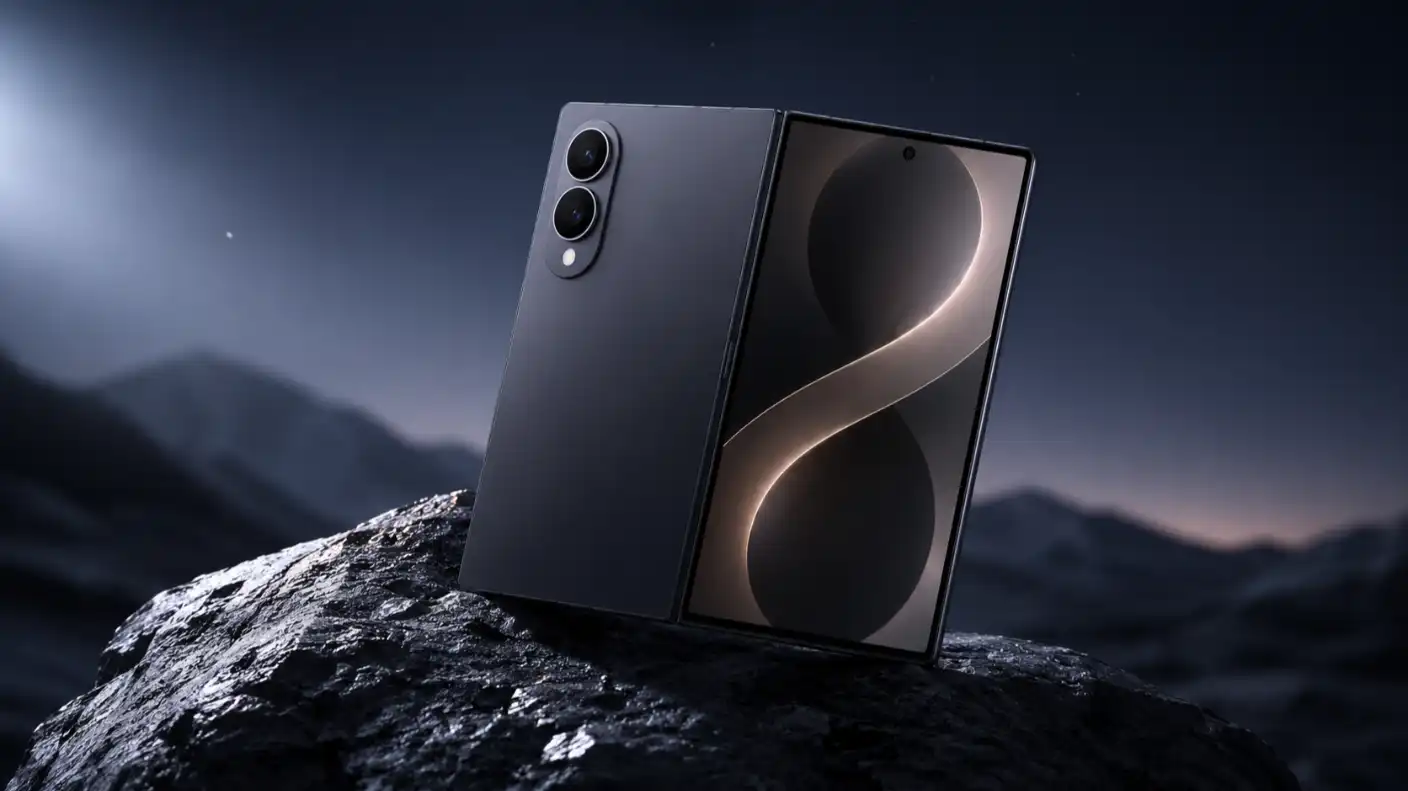
Samsung is reportedly preparing to bring its prestigious “Ultra” branding to the foldable market with the upcoming Galaxy Z Fold 8. For years, the Ultra name has been synonymous with the absolute pinnacle of smartphone technology, featuring the largest sensors, the fastest processors, and the most advanced display tech in the Korean giant’s lineup. However, early leaks regarding the Z Fold 8 Ultra suggest that while the name sounds premium, the internal specifications might not actually live up to the massive hype currently building around the device.
The transition to an “Ultra” foldable is a bold move for Samsung. The company currently dominates the foldable sector, yet it faces rising competition from Chinese manufacturers who offer thinner devices with larger screens. By adding the Ultra label, Samsung aims to signal that this device offers a no-compromise experience. Unfortunately, internal industry chatter indicates that the phone may fall short of the expectations set by its non-folding counterparts, like the standard Galaxy S-series Ultra models.
One of the biggest concerns among tech enthusiasts is whether the Z Fold 8 Ultra will feature a significant camera upgrade. The Galaxy S26 Ultra sets a very high bar, often packing top-tier periscope lenses and massive 200-megapixel primary sensors. Reports suggest that the foldable version will rely on more modest hardware to accommodate the complex hinge and folding display. If Samsung keeps the camera hardware identical to the standard Fold, it will be difficult to justify a price hike of $200 or $300 over the base model.
Beyond the camera array, internal performance remains another point of contention. While flagship slabs like the Galaxy S-series Ultra typically receive the best-binned processors available, folding phones are often forced to use slightly throttled chips due to thermal constraints. With a thin, foldable chassis, heat dissipation becomes a major engineering challenge. If the Z Fold 8 Ultra features the same processor as the base Fold 8, the only “Ultra” difference might be the external casing rather than actual raw computing power.
The pricing strategy for this potential device will be critical for Samsung’s financial goals. The company generates over $1 billion in revenue from its foldable segment alone, but market saturation is beginning to set in. If Samsung launches an “Ultra” foldable with a price tag approaching $2,500, customers will demand top-of-the-line specs. If those specs are missing, the project could quickly become a commercial failure. Consumers today are more tech-savvy than ever, and they notice when an “Ultra” label is used more for marketing than for actual hardware innovation.
Despite these rumors, Samsung is not sitting still. The company continues to pour money into display technology, exploring new materials that can withstand hundreds of thousands of folds without creating a permanent crease in the middle of the screen. If the Z Fold 8 Ultra can finally deliver a crease-free experience, it might distract fans from the slightly underwhelming internal specs. For many power users, the “wow factor” of a truly flat, folding display is worth far more than a slightly better camera lens.
Another factor to consider is the competitive landscape. Apple is still rumored to be working on its own folding device, and the pressure on Samsung to innovate has never been higher. Even if the Z Fold 8 Ultra feels like a half-step forward, it gives Samsung a new flagship to market in the premium segment. In a world where even a 1.5% increase in market share is a massive win, having one more premium option for high-spending customers is a strategy that helps protect Samsung’s dominance.
Ultimately, the Ultra label brings high expectations. When users see that name, they expect the absolute best of what Samsung can do. If the Z Fold 8 Ultra launches with modest camera upgrades or the same processor as its cheaper sibling, the company risks tarnishing a brand that took nearly a decade to build. We will have to wait for the official reveal to see if Samsung plans to surprise us with a hidden hardware advantage or if the “Ultra” name is just a fancy new sticker on an old design.
For now, enthusiasts should maintain a healthy level of skepticism. Until Samsung releases the official spec sheet, these reports are just guesses based on supply chain rumors. However, the industry is shifting toward transparency, and consumers are demanding better value for their money. Whether the Z Fold 8 Ultra turns out to be the ultimate multitasker or just a rebranded version of last year’s tech, its launch will be the biggest foldable news of the year.
Caption: Samsung may launch a new Galaxy Z Fold Ultra.
Keywords: Samsung, Galaxy, Z Fold 8 Ultra, foldable, smartphone, Android, technology, hardware, premium, mobile