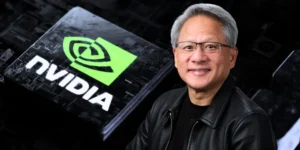

Nvidia CEO Jensen Huang is trying to smooth things over with frustrated gamers. During a recent interview, he acknowledged the backlash surrounding his company’s upcoming DLSS 5 technology. This marks a sharp turn from his previous comments, in which he claimed players were “completely wrong” for criticizing the new AI features.
The controversy started when Nvidia first announced DLSS 5. Many gamers quickly branded the technology as “AI slop,” fearing it would ruin the original artistic vision of their favorite video games by automatically generating fake details. During an appearance on the Lex Fridman podcast, Huang sounded much more understanding of these concerns. He even agreed with the core complaint, admitting that he personally dislikes the repetitive look of much modern AI-generated content.
“I think their perspective makes sense,” Huang told Fridman. “And I could see where they’re coming from because I don’t love AI slop myself. You know, all of the AI-generated content increasingly looks similar, and they’re all beautiful… so I’m empathic toward what they’re thinking. That’s just not what DLSS 5 is trying to do.”
Despite this softer tone, Huang is still defending the core idea behind the technology. He insists that DLSS 5 respects the original game design. He explained that human artists still create the game’s basic shapes and structures. According to Huang, DLSS 5 simply enhances every frame without actually changing the geometry or the artist’s original intent.
Part of the problem is that nobody really knows exactly how DLSS 5 works yet. The technical details remain a secret. Huang has tried to clear up the confusion by explaining what it isn’t. He says it is not a basic post-processing filter that just slaps an effect over the final image, but it’s also not a general-purpose AI that invents things out of nowhere. Instead, he calls it “content-controlled generative AI,” a middle ground that we won’t fully understand until Nvidia releases the feature later this year.
Looking ahead, Huang suggested that DLSS 5 could give artists even more power. He painted a picture of a future in which game developers could “prompt” AI to achieve specific visual styles. For example, a developer could ask the AI to make a game look like a cartoon or give it an example image to copy. The goal, he claims, is to give artists a tool that helps them create beautiful games that still perfectly match their own personal style.
Huang seems to realize that the initial messaging about the technology confused many people. “I think that they got the impression that the games are going to come out the way the games are… and then we’re going to post-process it. That’s not what DLSS is intended to do,” he explained.
Ultimately, Huang wants gamers and developers to view DLSS 5 as just another optional tool in the toolbox, not a mandatory feature that takes over the game. He compared it to previous visual upgrades, like advanced skin shaders, which developers can choose to use or ignore. As he wrapped up the conversation about DLSS 5, Huang didn’t miss a beat before declaring that the classic 1993 shooter Doom was the most influential video game ever made.