

United States Trade Representative Jamieson Greer threw a bucket of cold water on hopes for a quick semiconductor deal during a high-stakes visit to Beijing. In a Friday interview with Bloomberg TV, Greer revealed that the strict export controls on advanced computer chips were not a major part of the conversations between American and Chinese officials. This news comes as a massive disappointment to many in the tech world who expected a breakthrough for Nvidia and its powerful H200 artificial intelligence hardware.
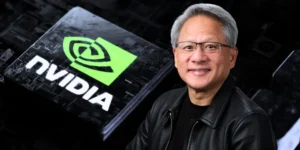
The lack of progress is surprising to many because of who attended the summit. Nvidia CEO Jensen Huang actually joined President Donald Trump’s delegation at the last minute. He even caught a ride on Air Force One during a stop in Alaska to make sure he was present for the meetings with Chinese President Xi Jinping. While Huang was there to push for his company’s interests, the politicians seemingly had other priorities.
During a large meeting on Thursday, between 15 and 17 different American CEOs got the chance to speak directly about the struggles their companies face when doing business in China. While they talked about various individual problems, the specific rules that stop Nvidia from shipping its best AI chips stayed off the main table. Even though the US government previously cleared about 10 big Chinese firms—like Alibaba, Tencent, and ByteDance—to buy these H200 chips, not a single box has actually left the warehouse yet.
The history of this specific deal is quite messy. The Trump administration originally approved the export of these chips to China back in December. However, they added even more rules and conditions in January to make sure the technology didn’t end up in the hands of the Chinese military. Because of these layers of red tape and the ongoing tension between the two superpowers, the $1 billion-scale trade remains stuck in total limbo.
Greer explained that the decision to finally let these chips into the country is now a “sovereign decision” for China. He noted that the rules are always changing based on what threats the US sees and what kind of technology is available to everyone else in the world. The US government is trying to walk a very thin line. They want American companies to make money from overseas markets, but they also want to protect high-tech secrets that are vital for national security.
Over in China, the pressure is starting to show. Many Chinese AI companies, such as DeepSeek, are trying to tell the world they can survive using only domestic chips. In reality, the US trade curbs are putting a “chokehold” on their progress. Many Chinese AI models have started rationing access for their users lately because they simply do not have enough computing power to go around. Their local factories, or “fabs,” are working hard to catch up, but they are finding it very difficult to build high-quality chips in large numbers.
Chinese policymakers are in a difficult spot. They hate being dependent on American technology because they see it as a major weakness in their supply chain. At the same time, they need these chips to keep their economy growing. Greer mentioned that China often views American high-tech as a threat. Because the US is so far ahead in the AI race, Chinese leaders worry that American dominance will eventually stop their own country from growing.
Back in Washington, many lawmakers are cheering for the delay. These “hawks” believe that selling even a single advanced AI chip to China is a huge mistake. They argue that if the US helps China catch up in the world of frontier AI, it will directly help China’s military goals. They want to keep the technology gap as wide as possible for as long as they can. They believe that even a 1.5% lead in AI processing speed could be the difference between winning and losing in the future.
For Nvidia, the situation is frustrating. The company knows that the Chinese market for AI accelerators could be worth $50 billion or more. To miss out on that revenue while competitors try to build their own versions of the hardware is a painful experience. Jensen Huang has spent months trying to convince the government that selling these chips is good for the American economy, but the “Made in USA” political movement is currently focused more on security than on quick sales.
As the summit wraps up, the tech industry is left with more questions than answers. The fact that Jensen Huang hitched a ride with the President but couldn’t get a deal done shows how complicated this relationship has become. For now, the H200 chips will stay on American soil, and the Chinese AI industry will have to keep waiting for the “brains” they need to run their newest programs. The battle over who controls the future of intelligence is only getting more intense, and neither side seems ready to give up their best weapons just yet.