

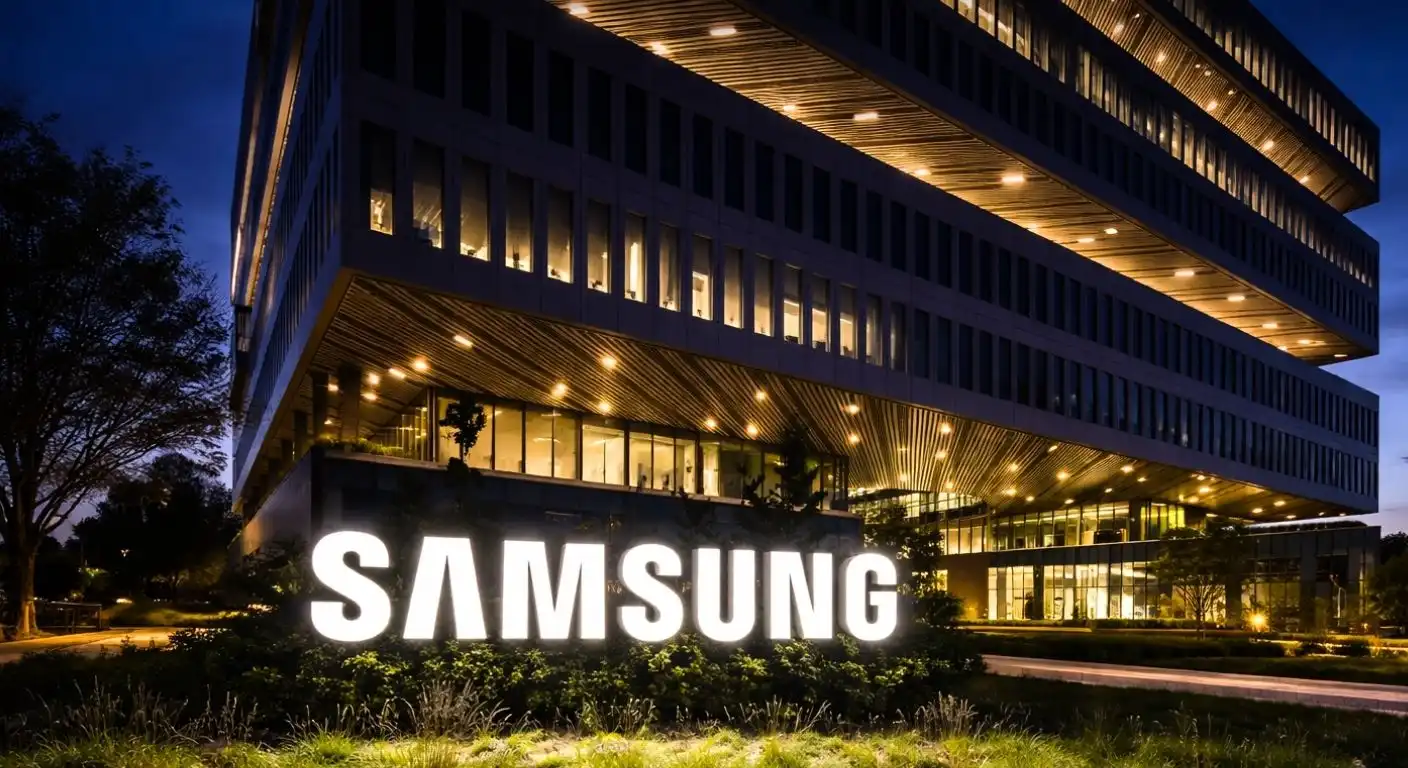
Samsung Electronics is heading toward a major crisis after a final, desperate round of talks with its labor union failed this week. The company and its workers spent 17 hours in a marathon negotiation session trying to find a way to avoid a massive strike. However, the meeting ended with no agreement, leaving the door wide open for a highly disruptive walkout. Starting next week, thousands of workers will leave their posts, and experts believe it could take the company months to fully recover.
The union has scheduled the strike to begin on May 21 and run until June 7. This 18-day window covers some of the busiest production weeks for the tech giant. Currently, about 41,000 unionized workers have already signed up to join the protest, but that number could easily jump past 50,000 as the start date gets closer. Because both the management and the union refuse to budge on their core demands, a last-minute miracle seems almost impossible.
The core of the fight is about money—specifically, performance bonuses. The unionized workers want a much bigger piece of the company’s success. They are demanding 15% of Samsung’s annual operating profit as bonuses. Last year, the company’s operating profit reached nearly $30 billion, so the workers are essentially asking for a massive $4.5 billion payout. Samsung management has offered much less, leading to the current stalemate.
We already have a small taste of how much damage this strike could cause. Back on April 23, the union held a large rally that attracted 40,000 people. During that short protest, production at Samsung’s highly automated memory factories dropped by 18.4%. Even worse, the foundry lines, which require more manual labor to run, saw output plunge by a staggering 58.1%. If a single afternoon rally can do that much damage, an 18-day strike will be catastrophic.
One of the biggest problems with a strike in the semiconductor industry is that you cannot just turn the machines back on and start working again. These factories require constant maintenance and precise setup. If the workers leave for 18 days, the equipment sits idle and loses its calibration. Industry experts say it usually takes twice as long to fix the machines as the duration of the shutdown. This means it could take Samsung 36 days, or well over a month, to get production back to 100%.
The financial stakes are incredibly high. If production stays down for over a month, Samsung could lose as much as 30 trillion won, which is about $20 billion. This shutdown will hit specific products the hardest, including the high-performance DRAM used in servers and enterprise-grade solid-state drives. These are the same components that power the world’s biggest data centers, meaning the strike could cause a ripple effect across the entire global tech industry.
Samsung’s leadership finds itself in a very difficult position. The union workers want bonuses that match what “pure-play” chip companies like SK hynix pay. If Samsung gives in to these demands, it might solve the strike, but it would create a new problem inside the company. Paying the chip division massive bonuses would create a “hierarchy” where workers in the mobile or home appliance divisions feel like second-class citizens. This would likely destroy company-wide morale and lead to even more labor trouble later.
On the other hand, if management refuses to pay, they have to watch $20 billion disappear. Samsung just broke all its previous profitability records, so they definitely have the cash to settle the dispute. However, executives worry that giving in now is just “kicking the can down the road.” They fear that if they reward a strike today, the union will simply walk out again next year for even more money.
The tension is already causing a “brain drain” at the company. Many of Samsung’s most talented engineers are starting to look at their competitor, SK hynix, as a better place to work. SK hynix has made a 10% profit-linked bonus its standard policy for years. Samsung engineers see their rivals getting guaranteed payouts while they have to fight through 17-hour meetings just to get an offer.
The current contracts for some senior engineers, known as CL-3 workers, also cause frustration. These workers receive about 80 million won, or $53,664, in retention pay spread over three years. However, these contracts come with a strict rule: if they quit, they cannot work for a competitor for at least 2 years. This leaves many talented people feeling trapped and underpaid while the company reports billions in profit. With the strike only days away, Samsung must decide if it wants to protect its rigid pay structure or protect its $20 billion production line.