
Apple is officially returning to Intel, but not in the way many people expected. After ditching Intel processors in 2023 to use its own custom silicon, Apple has now signed a massive preliminary deal to use Intel’s factories. According to industry rumors and reports from GF Holdings, Apple will rely on Intel Foundry to produce two of its most advanced upcoming chips. This partnership marks a massive shift in the tech world, driven by a global shortage of manufacturing space and intense political pressure to build electronics within the United States.
For years, Apple has relied almost exclusively on Taiwan Semiconductor Manufacturing Company (TSMC) to build the brains for the iPhone and the MacBook. However, the sudden explosion of artificial intelligence has changed everything. Tech giants like NVIDIA and Microsoft are pouring billions of dollars into AI, and they are hogging all the production lines at TSMC. This bottleneck has left Apple in a tough spot. Because TSMC cannot keep up with Apple’s massive demand, the cost of parts has climbed. Some experts believe these supply issues contributed to recent price hikes of 1.5% to 5% across several Apple product lines.
Political influence also played a major role in bringing these two rivals together. President Donald J. Trump has been a vocal supporter of Intel and the “Made in USA” movement. During a recent meeting at the White House, the President personally encouraged Apple CEO Tim Cook to move production back to American soil. Trump noted that the government’s investment in Intel had already generated tens of billions of dollars in gains. He argued that moving Apple’s business to Intel would prove the strength of American manufacturing and help the government recoup its multi-billion dollar bets on the domestic chip industry.
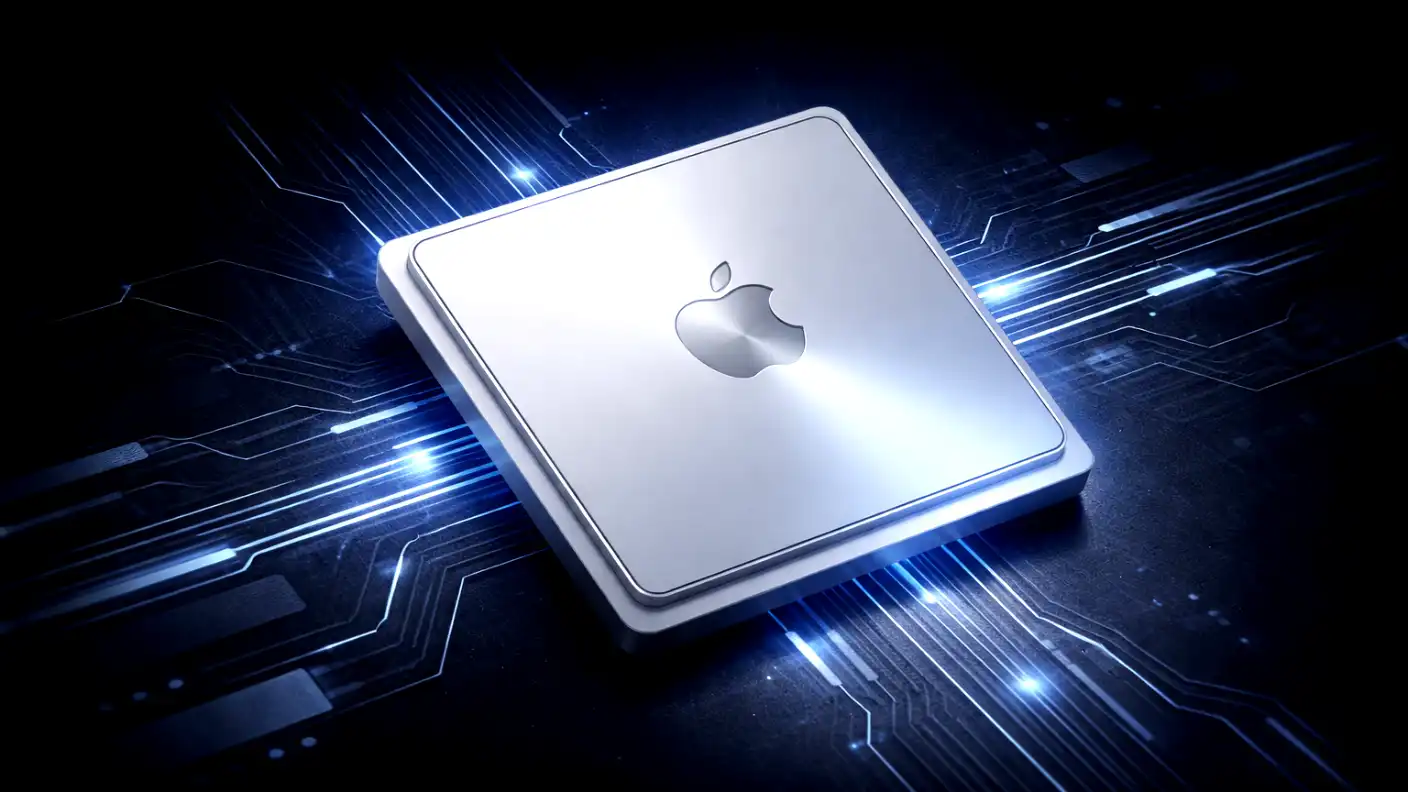
The first major product of this partnership is rumored to be the Apple M7 chip. This processor will power future generations of the MacBook. According to the latest leaks, Intel will manufacture the M7 using its cutting-edge “18A-P” process technology. If the schedule holds, this chip will enter mass production by the end of 2027. By moving the M7 to Intel’s Arizona factories, Apple secures a dedicated supply chain that is far away from the crowded lines in Taiwan. It also allows Apple to claim that the heart of the MacBook is now made in America.
The second chip involved in the deal is even more significant for the average consumer. Rumors suggest Intel will produce the A21 chip, which will power the high-end iPhones of 2028. This chip will likely use Intel’s even more advanced “14A” process. This is a massive win for Intel’s factory business. Producing the “A” series chips, which are considered some of the most efficient in the world, proves that Intel can compete with anyone. Even though Apple and Intel are now partners in the factory, they remain fierce rivals in the store. Intel is still trying to beat Apple’s MacBook Neo by working with Google on the new “Googlebook” laptop platform.
This deal creates a strange “frenemy” relationship. Intel is building the very chips that Apple uses to take market share away from Intel’s traditional PC partners like Dell and HP. However, Intel’s leadership believes this is a risk worth taking. By securing Apple as a customer, Intel proves to the rest of the world that its factory technology is world-class. If Intel can successfully build a chip as complex as the A21 for the iPhone, other companies will feel much more confident spending $1 billion or more to have Intel build their hardware too.
For Apple, the benefits are mostly about safety and speed. Relying on a single company like TSMC is dangerous, especially when the demand for AI chips is so high. By adding Intel as a second supplier, Apple ensures it has a backup plan if things go wrong in Taiwan. This move also helps Apple avoid some of the high tariffs and shipping costs associated with overseas manufacturing. It gives the company a more stable foundation as it prepares to launch more powerful devices in the coming years.
The tech industry is watching this $10 billion gamble very closely. If Intel can meet Apple’s strict quality standards, it will mark the beginning of a new era for American technology. Intel spent years struggling to catch up to its Asian rivals, but with Apple’s money and the government’s support, the company finally has a clear path forward. For consumers, this deal might eventually lead to more stable prices and faster innovation as two of the biggest names in tech start working together again.