
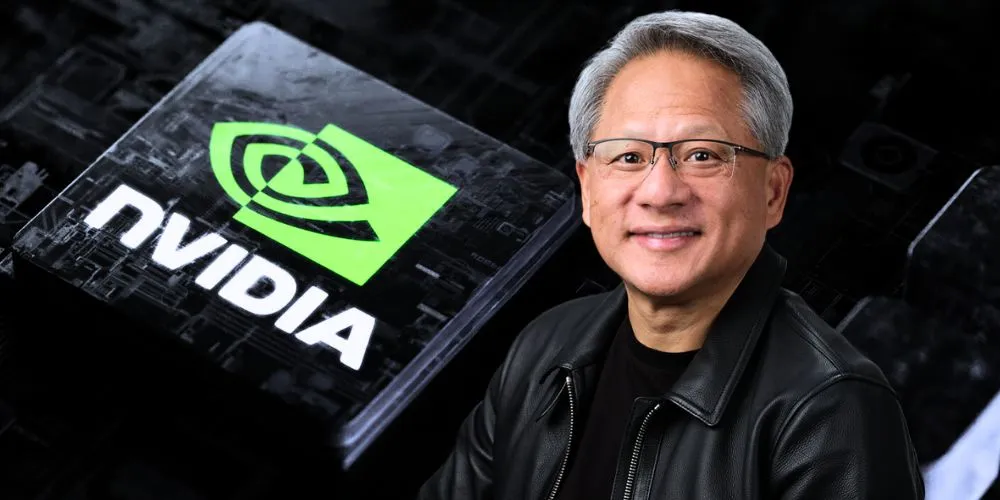
Nvidia is recalibrating its high-stakes artificial intelligence roadmap. Recent reports indicate that the company’s highly anticipated “Kyber” rack, which serves as the physical infrastructure for its next-generation Rubin Ultra GPU platform, will now arrive in 2028. While Nvidia frequently updates its product schedules to align with the latest manufacturing capabilities, this shift represents a strategic adjustment in how the industry leader intends to roll out its most powerful hardware to date.
The decision to move the timeline to 2028 suggests that Nvidia is prioritizing perfection over early release. The Rubin Ultra platform represents a monumental jump in computing power, designed to handle the increasingly massive datasets required by generative AI. By allowing an extra year for development and fine-tuning, Nvidia likely aims to ensure that the Kyber rack can support the immense power and thermal requirements of these next-level GPUs without hitting technical snags during the initial launch phase.
This delay is not a sign of slowing momentum. Nvidia currently dominates the market, with its Blackwell and earlier architectures commanding over 80% of the AI hardware landscape. Even with the Rubin Ultra platform shifting to 2028, the company remains ahead of competitors who are still struggling to match its current output. Investors have responded to the news with relative calm, viewing the update as a necessary step to maintain the long-term reliability and dominance of Nvidia’s ecosystem.
Industry analysts emphasize that the complexities of modern GPU production are immense. Creating a system like the Kyber rack involves coordinating high-speed networking, massive power delivery, and advanced cooling systems. A delay of this nature allows Nvidia to integrate even more efficient HBM4 memory and high-bandwidth interconnects that were not fully optimized in the earlier design. If this extra time results in a 20% performance boost over the original internal targets, the trade-off will ultimately benefit the AI research firms relying on this equipment.
The demand for AI infrastructure remains insatiable, with companies spending well over $200 billion annually on data center hardware. Because Nvidia’s products are the industry standard, its development timeline dictates the pace of innovation for its biggest customers, including tech giants like Microsoft, Google, and Meta. These companies are already planning their infrastructure budgets for 2027 and 2028, and a clear, stable roadmap from Nvidia allows them to build their data centers with more confidence.
While the 2028 target for Rubin Ultra is now the official focus, Nvidia is not sitting idle in the interim. The company plans to sustain its market lead by rolling out iterative improvements to its existing platforms. By maximizing the utility of its current architecture, Nvidia keeps its revenue stream robust. Recent quarterly reports show the company generating more than $30 billion in data center revenue alone, providing plenty of capital to fund the R&D necessary for the Rubin transition.
As the industry looks toward the 2028 launch, the focus will shift to how Nvidia handles the transition between product generations. The company must ensure that its software stack remains fully compatible with the new architecture, allowing developers to switch to the Rubin Ultra platform with minimal friction. If Nvidia achieves this seamless transition, it will effectively lock in its customer base for another multi-year cycle, ensuring that the company stays at the center of the AI revolution.
Ultimately, the shift to 2028 highlights the reality that Moore’s Law is evolving into a game of architectural mastery. Building a GPU is no longer just about the chip; it is about the entire rack, the power, and the cooling. Nvidia’s decision to take more time demonstrates that it is playing the long game. By delivering a more capable, stable, and powerful system in 2028, the company is ensuring that it remains the go-to partner for the next decade of artificial intelligence breakthroughs.