
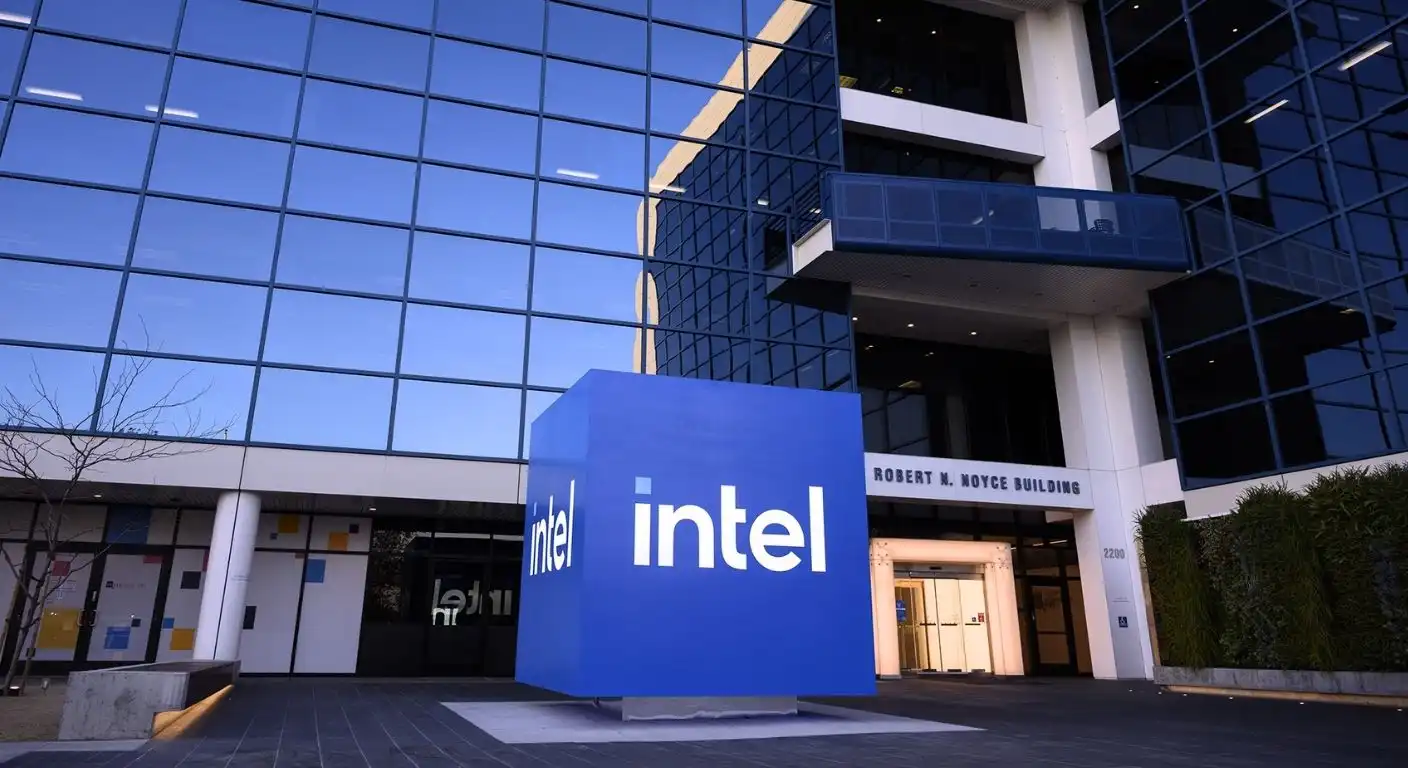
Intel is making a decisive move to reclaim its dominance in the semiconductor sector by appointing industry veteran Seok-Hee Lee as the new leader of its Foundry and Advanced Packaging divisions. This strategic hiring comes at a pivotal moment for the chip giant as it races to transform its manufacturing operations into a world-class foundry service for global customers. Lee, a seasoned executive with decades of experience at top-tier semiconductor firms, brings the precise technical leadership Intel needs to accelerate its ambitious “IDM 2.0” roadmap.
The appointment is part of a broader, multibillion-dollar effort to modernize Intel’s manufacturing capabilities. As AI-driven computing becomes the primary engine of the global economy, the demand for sophisticated chip manufacturing—especially in advanced packaging—has reached an all-time high. Intel is currently investing over $100 billion to expand its production sites across the United States and abroad. Seok-Hee Lee will take the helm of these massive infrastructure projects, tasked with turning these capital investments into high-yield, reliable production lines.
Intel’s foundry business faces a steep hill to climb. Currently, market leaders like TSMC maintain a firm grip on the highest-end chip manufacturing. To close the gap, Intel must prove it can reliably produce chips for third-party designers who require perfect consistency. Lee’s background makes him uniquely qualified for this challenge. Having previously served in top leadership roles, including time as CEO of SK Hynix, he understands the intricacies of high-volume, high-precision semiconductor production. His experience in memory and logic chip integration will be crucial as Intel develops new “chiplet” designs that require cutting-edge packaging techniques.
Advanced packaging serves as the lynchpin for Intel’s future strategy. Since shrinking individual transistors has become increasingly difficult and expensive, the industry is pivoting toward modular designs where multiple specialized chips are packaged together on a single substrate. This approach requires extreme manufacturing precision. Intel believes its expertise in this area will provide a significant competitive advantage over rivals who are still catching up to these modular design standards. Lee will oversee the transition of these technologies from experimental labs to massive, high-volume production facilities.
The financial stakes are incredibly high for the company. Intel’s foundry division has been a major focus for investors who want to see the firm diversify beyond just making its own processors. Analysts suggest that even a 1% to 2% increase in global foundry market share could result in a massive revenue windfall, potentially adding several billion dollars to Intel’s top-line growth over the next three to five years. By bringing in a leader with such deep operational experience, Intel is signaling to Wall Street that it is shifting from a period of planning to a period of aggressive execution.
Operational efficiency remains a core challenge for the company. Transforming a legacy giant into a nimble foundry service requires a total cultural shift. Employees and engineers must adapt to a model where they serve external customers as much as they serve Intel’s internal divisions. Lee is expected to streamline internal bureaucratic processes, reduce cycle times, and foster a more competitive spirit within the foundry business. This focus on “customer-first” manufacturing is seen as the key to winning contracts from the world’s largest tech companies.
Looking at the broader semiconductor market, the competition shows no signs of slowing down. Companies are committing hundreds of billions of dollars to build “megafabs” across the globe. Intel’s ability to differentiate itself will depend heavily on its execution speed and its ability to deliver on technical promises. If Lee can successfully integrate Intel’s advanced packaging technology with its foundry roadmap, the company could become the primary choice for AI chip designers who need a domestic, reliable manufacturing partner.
As the industry moves toward a future where computing power defines technological superiority, the leadership of this new division will be under intense scrutiny. Intel has clearly decided that it needs outside, veteran perspective to fix its internal manufacturing hurdles. Seok-Hee Lee is stepping into one of the most difficult jobs in the tech world, but the potential reward for Intel is the ability to shape the future of the global chip supply chain. The coming quarters will reveal whether this leadership change is the catalyst needed to bring Intel back to the very top of the semiconductor food chain.