
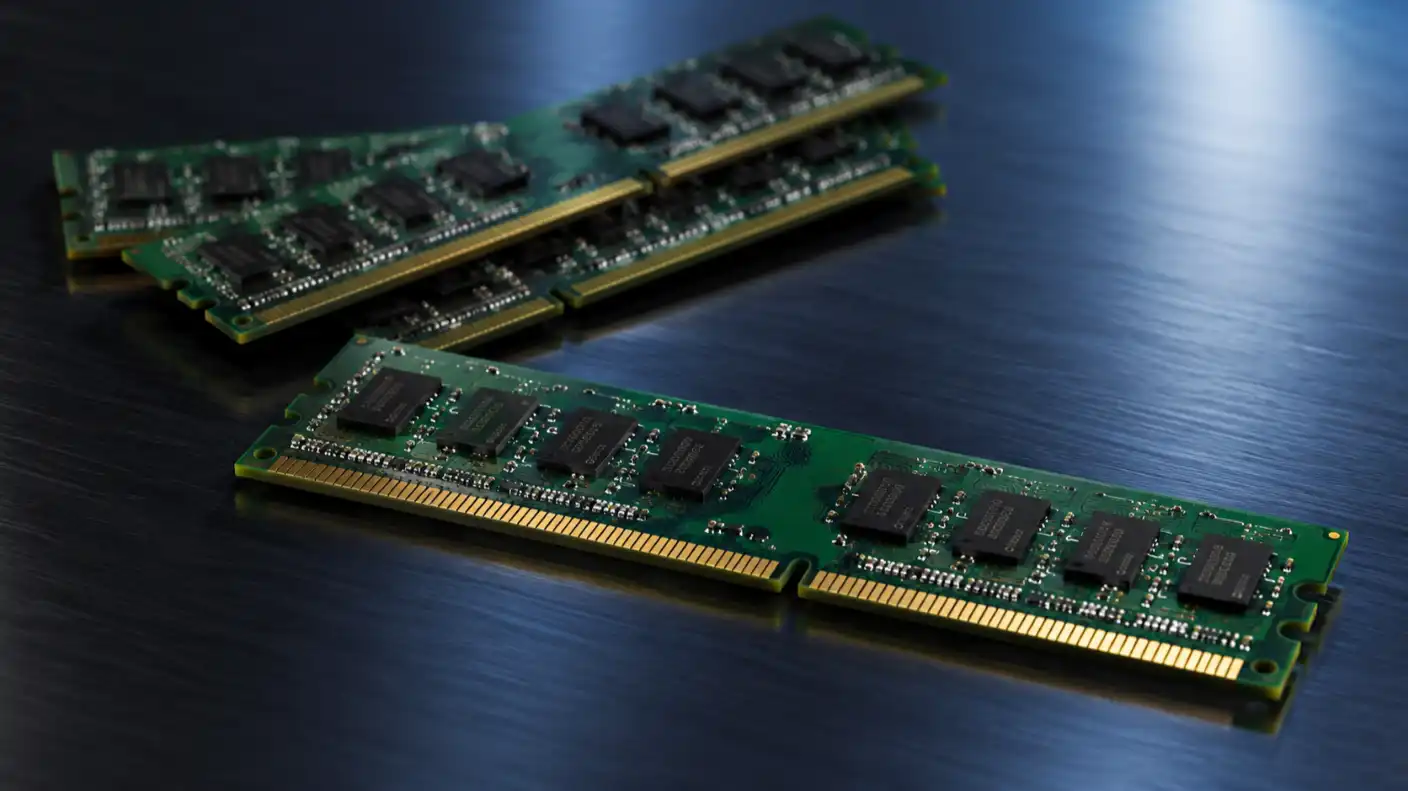
A massive shift is underway in the global semiconductor market as Chinese technology companies begin abandoning established international memory giants. For decades, firms like Samsung, Micron, and SK Hynix dominated the Chinese market, supplying the critical DRAM and NAND flash chips used in everything from smartphones to data centers. However, a growing “supply chain revolt” is now pushing these massive corporations aside in favor of rising domestic competitors.
Recent industry data reveals that Chinese electronics manufacturers have rapidly increased their procurement of locally produced memory chips. This strategic pivot aims to secure the domestic supply chain against the uncertainty of global trade policies and export restrictions. By shifting orders to homegrown firms like ChangXin Memory Technologies (CXMT) and Yangtze Memory Technologies (YMTC), China is betting billions on its ability to build an independent high-tech ecosystem.
The economic impact of this change is already hitting the bottom line of legacy suppliers. For example, some analysts estimate that major foreign memory suppliers could see a 10% to 15% reduction in their revenue from the Chinese market over the next two years. In a sector where companies regularly invest over $10 billion in a single factory, losing a market as vast as China represents a monumental financial challenge. These international giants now face a future where they must compete not just on price, but on political and regional supply chain security.
Technological advancements have played a major role in this transition. Just three years ago, domestic Chinese memory chips were often viewed as secondary options, trailing behind the cutting-edge standards set by industry leaders. Today, that gap has narrowed significantly. Local Chinese fabs have successfully ramped up production of advanced 128-layer and even 200-layer NAND chips, which now meet the quality requirements for many consumer devices and mid-tier computing systems.
The decision to snub global players also carries a strategic motive. Chinese government initiatives have poured massive capital into building a self-sufficient semiconductor industry. By requiring local brands to integrate domestic components, the nation is fostering a feedback loop that allows local chipmakers to test, refine, and improve their products at scale. This “buy local” push ensures that domestic companies receive the essential revenue needed to fund future research and development, effectively speeding up their roadmap toward parity with the world’s best.
For Western firms, this shift creates a complicated landscape. While the high-end, specialized AI memory market—such as High Bandwidth Memory (HBM)—remains a stronghold for firms like SK Hynix and Samsung, the volume-heavy commodity market is shrinking. The move toward local sourcing forces foreign companies to reconsider their pricing strategies and manufacturing footprints. If the current trend continues, international giants may need to establish more local partnerships or localized production facilities to remain relevant in the Chinese market.
As we look toward 2027, the global memory landscape appears more fragmented than ever. The era of a single, interconnected supply chain for memory chips is quickly coming to a close. China’s determination to control its own technological destiny will likely result in a dual-track market, where domestic chips power a vast portion of the country’s internal tech sector, while foreign firms compete for the remaining gaps. This transformation represents the most significant shake-up in the memory industry in over 30 years, setting the stage for a new period of intense global competition.